Wrecking and pry bars are essential tools for demolition, nail pulling, and prying tasks. This guide highlights five top picks that balance leverage, durability, and control. The right choice depends on project size, weight you can manage, and the number of nails or fasteners you’ll encounter. The top picks below are suited for professional job sites as well as serious DIY projects. See a quick buyer’s table after the introduction for a snapshot of features and uses.
| Product | Brand | Length | Why selected |
|---|---|---|---|
| ESTWING Gooseneck Wrecking Bar PRO, 36″ | Estwing | 36″ | Best leverage in a gooseneck design; ideal for heavy prying and nail removal on larger boards. |
| Spec Ops Tools Pry Bar, 30″ | Spec Ops | 30″ | Balanced length with multi-leverage and weather-ready grip for variable demolition tasks. |
| ESTWING Gooseneck Wrecking Bar, 24″ | Estwing | 24″ | Compact, highly controllable for tight spaces and lighter demolition work. |
| Edward Tools Gooseneck Wrecking Bar, 24″ | Edward Tools | 24″ | Gooseneck leverage with dual ends for nail pulling and chiseling in confined areas. |
| Estwing 42-inch Demolition Crowbar | Estwing | 42″ | Maximum leverage and torque for demanding demolition tasks across large workspaces. |
ESTWING Gooseneck Wrecking Bar PRO, 36″ Crowbar
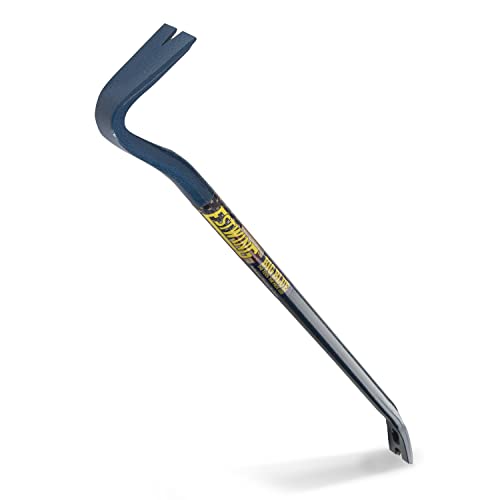
Best for heavy pulling and high-torque tasks in open demolition spaces. The gooseneck design provides superior leverage when prying boards and removing stubborn nails. The chisel end adds a sharp edge for lifting and prying while the slotted hook end tackles tough nails.
Who it’s best for: Tradespeople tackling larger demolition projects and DIYers who need maximum leverage without excessive effort. Why selected: The 36″ length strikes a balance between reach and control, and the high-leverage design helps reduce prying effort in demanding jobs.
Limitation: Heavier than shorter pry bars, which may be less convenient for prolonged use in tight spots.
Spec Ops Tools Pry Bar, 30″
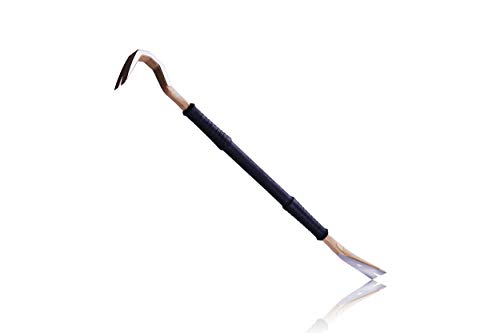
Best for controlled demolition with enhanced grip and precision. The pry bar emphasizes shock-absorbing grip for comfort and control, with a precision-honed end for effective nail removal. The heat-treated steel construction supports heavy prying power across various materials.
Who it’s best for: Professionals and serious DIYers who prioritize comfort during longer demolition sessions and precise nail extraction. Why selected: The combination of grip technology and a beveled end helps maintain control under load.
Caution: The weight and balance may feel different from traditional pry bars, so use proper stance to avoid hand fatigue early in a project.
ESTWING Gooseneck Wrecking Bar, 24″

Best for tight spaces and lighter prying tasks. Its gooseneck form adds leverage while staying compact enough for cramped demolition work. The chisel end and slotted hook end equip it for a variety of nail-pulling and lifting duties.
Who it’s best for: Renovation projects in confined areas and users who prefer a lighter tool for frequent switching between tasks. Why selected: The 24″ size offers nimble handling without compromising leverage in restricted zones.
Limitation: Not ideal for large-scale demolition where maximum reach is required.
Edward Tools Gooseneck Wrecking Bar, 24″
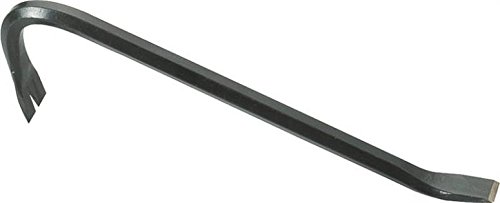
Best for added ripping leverage in small to mid-size projects. The gooseneck design supports effective prying with a dual-ended configuration featuring nail puller and chisel ends, and the drop-forged steel provides durability for repeated use.
Who it’s best for: Handymen working in confined spaces or with frequent nail removal needs. Why selected: The dual-end configuration increases versatility for common demolition tasks on restricted sites.
Caution: For heavy-duty demolition, consider a longer bar to maximize leverage and reduce arm strain.
Estwing 42-inch Demolition Crowbar

Best for maximum leverage and torque in large demolition projects. This crowbar’s solid steel construction and four-foot length deliver sustained prying power across substantial materials and assemblies.
Who it’s best for: Pros and ambitious DIYers tackling heavy demolition with extended reach. Why selected: The 42″ length provides superior leverage compared to shorter bars, which can reduce effort on stubborn materials.
Limitation: Longer tools require more space to maneuver and can be heavier to handle for extended periods.
Buying Guide
Key purchase considerations help match a wrecking or pry bar to your tasks.
- Length and leverage: Longer bars deliver more torque but are heavier and harder to maneuver in tight spaces. Shorter bars excel in confined areas and offer better control.
- Gooseneck vs straight design: Gooseneck bars offer higher leverage for pulling and prying boards, while straight bars are simple and versatile for nail removal and chiseling.
- End configurations: A chisel end is useful for prying, while a nail-puller end accelerates nail removal. Look for a slotted hook for stubborn nails.
- Materials and durability: Drop-forged steel is common for strength and longevity. Consider corrosion resistance if you’ll work in damp environments.
- Grip and comfort: Shock-absorbing grips reduce hand fatigue during extended work. Ensure the grip remains secure in wet or dusty conditions.
- Weight: Heavier bars can deliver more leverage but may cause fatigue quickly. Balance weight with your typical project duration.
FAQ
- What is the best overall wrecking bar length? – A 30–36 inch bar provides strong leverage for most demolition tasks, balancing reach and control.
- When should I choose a gooseneck design? – Gooseneck bars excel at deeper prying and lifting; choose them for high-leverage tasks and nail removal in boards.
- Are longer bars harder to control? – Yes, longer bars require more space to maneuver and can be heavier, which may affect precision in tight areas.
- Is a dual-ended bar better for beginners? – Dual-ended bars offer more versatility, which can be helpful for users new to demolition tasks.
- What materials are most durable for wrecking bars? – Drop-forged steel is widely recognized for durability and strength against heavy prying forces.
- Should I avoid a heavy bar for interior work? – Heavier bars can cause fatigue when used indoors for long periods; consider a lighter model for interior tasks and reserve heavier bars for exterior work.