Discover reliable wind turbine generator motors that power small DIY projects, educational experiments, and off‑grid setups. The following selections offer a range of voltages, speeds, and torque to suit different wind conditions and creative goals. Each entry includes a quick reference to key specs and how it could fit into your project, from tiny hand-cranked generators to larger permanent magnet motors.
Summary of chosen products:
| Product | Voltage Range | Typical Speed | Peak Torque | Ideal Use |
|---|---|---|---|---|
| High Torque DC Motor 12V/24V | 12–24 V | 3500–7000 RPM | 1–2 kgf·cm | DIY generators, small machines |
| FACULX 3-Phase Wind Turbine Generator | DC 176–375 V (rectified) | Varies with input | High reliability | DIY wind projects, flexible voltage |
| Small Wind Turbine Generator 36W | 12–24 V | Multiple gears | High torque for small turbines | Wind or hand-crank experiments |
| EUDAX 6 Set Mini Generator Motors | DC 3–12 V | 1500–6500 RPM | Low to moderate | Educational kits and light LEDs |
| 120V DC Motor Wind Turbine Generator | DC 120 V (rectified) | ~3500 RPM | Moderate | Higher voltage DIY generators |
High Torque DC Motor 12V/24V For DIY Generators

The XD-3420 motor is a versatile permanent magnet DC unit designed for both 12V and 24V configurations. Rated at 30W, it can operate at 3500 RPM on 12V and 7000 RPM on 24V, delivering torque up to 2 kgf·cm (24V). This motor is suitable for small DIY wind generators, compact cutting tables, or medical equipment projects where a stable, quiet drive is required. Its wide voltage range allows users to tailor speed and torque by adjusting the supply, making it adaptable for experiments that explore generator behavior, load testing, or motor-to-generator conversion. Note the shaft length of 43 mm, which helps with mounting accuracy in tight spaces. Its low-noise operation is advantageous in educational demonstrations or home workshops where acoustic disruption matters.
FACULX 3-Phase Wind Turbine Generator DIY Brushless Motor

FACULX offers a robust 3-phase electric wind turbine generator designed for DIY power generation experiments. Built for durability, it adheres to tight control standards to ensure reliable performance across ongoing tests. The motor is intended as a flexible DIY generator, suitable for wind-powered projects or hand-cranked hydro setups. It supports a wide rectified voltage range and operates with a DC input around 14–16V, while capable of handling higher rectified voltages for varied applications. This model stands out for projects that seek a brushless solution with steady output, making it a strong candidate for longer-term wind experiments or educational displays where consistent performance matters.
Small Wind Turbine Generator 36W 12–24V Motor
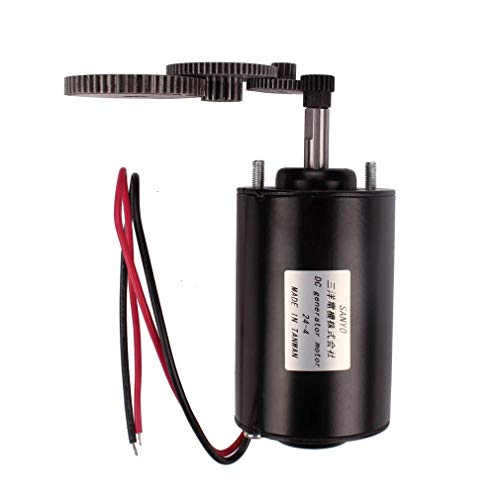
This 36W wind turbine generator features a 12–24V dual-purpose design with four gear configurations for variable torque output. It’s described as low-noise with high torque capabilities, suitable for small turbine setups or as a hands-on educational tool. The product emphasizes stability under load and protection against motor burnout during overload or stall conditions, making it suitable for demonstrations or lightweight automation applications where a compact, resilient generator is needed. It can drive small motors and devices, including electric models or automation components, with an emphasis on safe, reliable operation in hobbyist environments.
EUDAX Mini Generator Motors Kit

The EUDAX kit provides six mini generator motors with common 3V–12V operation and speeds ranging from 1500 to 6500 RPM. The set includes mounting brackets, shaft propellers, LEDs, quick connectors, and an English manual, making it a comprehensive educational package. It is ideal for classroom demonstrations, science fairs, or home experiments that involve wind- or hand-cranked generation. The multi-volt range allows learners to observe how voltage and speed influence current generation, and the included parts support various configurations such as gear-driven or pulley-driven setups.
120V DC Motor Wind Turbine Generator
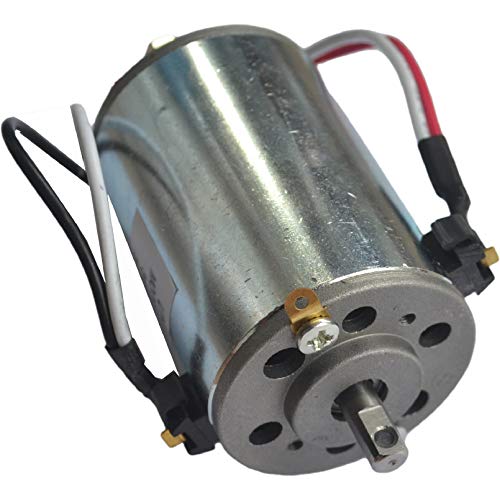
This generator is designed for higher-voltage wind projects, offering a rated DC voltage of 120V with a tested speed around 3500 RPM. It includes front and rear ball bearings for smoother operation and reliability in longer-running setups. With a power envelope around 50W, this unit is suitable for mid-scale DIY wind projects that aim to light multiple LEDs, run small electronics, or serve as a test platform for power electronics that rectify or condition wind energy to usable 120V DC or AC formats. It serves as a bridge between hobbyist experiments and practical, practical demonstrations of wind-powered generation at higher voltages.
Buying Guide
When selecting a wind turbine generator motor for DIY projects, consider the following factors to ensure you get the right match for your goals:
- Voltage and speed compatibility: Determine the operating voltage you’ll feed the motor or the generator you’ll drive. Motors designed for 12–24V are common in small DIY projects, while higher-voltage options exist for larger demonstrations.
- Torque and load tolerance: Look for specifications that show the motor’s torque at given voltages. High-torque units prevent stalling under load, which is important for wind turbines facing gusts or turbulence.
- Durability and bearings: Rotating parts and gear trains benefit from robust bearings and solid assembly. Front/rear bearings and brushless designs tend to provide longer lifespans in outdoor or variable conditions.
- Mounting and form factor: Ensure the shaft length, mounting holes, and overall dimensions fit your enclosure, frame, or turbine housing. Shorter shafts may require adapters but save space in compact builds.
- Control strategy: Decide if you will use a direct-drive approach, or if you’ll rectif y and regulate output for a storage system or inverter. Some units are optimized for testing, while others are ready for a small-scale wind turbine.
- Educational value: For classroom or hobbyist projects, kits with brackets, propellers, LEDs, and manuals provide hands-on learning and reduce setup time.
- Safety and noise: Consider acoustic output and heat generation, particularly for indoor demonstrations or student labs. Low-noise motors are beneficial in quiet environments.
- Cost vs. performance: Balance price against expected life, efficiency, and versatility. A modular kit may offer more learning value than a single-purpose motor.
In practice, choose a motor or generator based on your wind source and intended output. For wind experiments or educational projects, beginner-friendly kits with complete mounting hardware and clear instructions offer the best return. For more robust demonstrations or higher-voltage needs, look to 120V or brushless three-phase models that can withstand more demanding loads. Always verify compatibility with your rectifiers, charge controllers, or inverters before integration to avoid mismatched voltages or overloading components.