For caravans and RVs, dependable wind power can complement or replace traditional charging methods when you’re off-grid. The following selections cover compact, efficient wind turbine kits and robust generators designed to operate in varying wind conditions. They balance startup wind speed, durability, and smart control features to help keep your appliances powered during travel, camping, and remote adventures.
| Product | Brand | Key Feature |
|---|---|---|
| VEVOR 500W Wind Turbine Generator (Kit) | VEVOR Store | MPPT controller; 2.5 m/s start wind |
| Wind Turbine Generator Kit, 1200W | — | 5 blades; automatic yaw/adjustment |
| A-iPower 4600W RV-Ready | A-iPower Store | Open-frame inverter generator; CO sensor |
| VEVOR 500W Wind Turbine Kit (3-Blade) | VEVOR Store | 3-blade design; MPPT control |
| 1000W Wind Turbine Generator Kit | — | 2 m/s startup; low-wind design |
VEVOR 500W Wind Turbine Generator Kit

The VEVOR 500W wind turbine generator delivers a compact, high-efficiency wind energy solution suitable for RVs, boats, homes, and small farms. It starts generating power at 2.5 m/s and reaches rated output around 12 m/s, with a wide operating range of 3–25 m/s. An MPPT microprocessor optimizes current and voltage to match diverse loads, while a 12V three-phase AC permanent magnet synchronous generator runs quietly at about 55 dB. This setup is designed for longevity in off-grid environments where wind conditions vary by season and location.
Wind Turbine Generator Kit, 1200W, 5 Blade

This 1200W kit uses a three-phase permanent magnet synchronous motor and a robust aluminum rotor with a yaw adjustment system. The automatic wind direction readout aligns the rotor for maximum capture, while a tail fin design supports aerodynamic efficiency. Built to endure exposure to harsh outdoor conditions, the system emphasizes waterproofing, corrosion resistance, heat tolerance, and UV resistance, extending its lifespan for mobile setups like RVs and boats.
A-iPower 4600W RV-Ready Quiet Inverter Generator
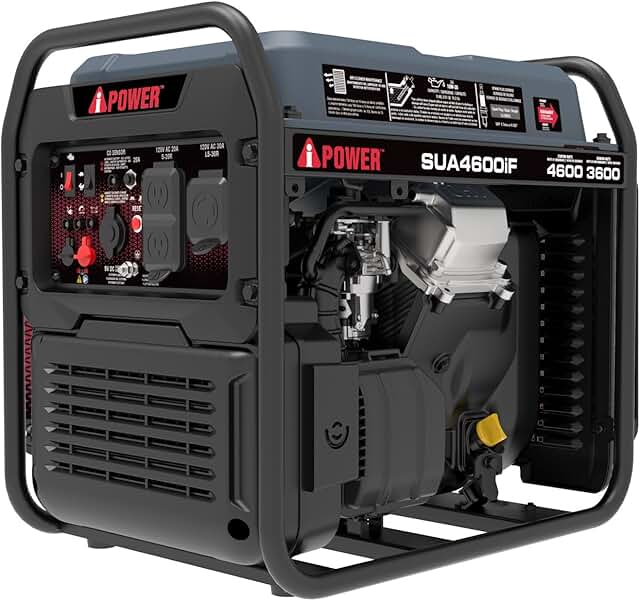
Designed for RVs, the A-iPower 4600W generator provides strong AC output with 120V/60Hz compatibility for typical appliances and tools. It weighs about 56 pounds, offering portability for camping and off-grid use. The unit includes clean power delivery with a low total harmonic distortion, supporting sensitive electronics. Its open-frame design accommodates easy service, while CO sensors add a level of safety for enclosed spaces such as campers and trailers.
VEVOR 500W Wind Turbine Kit with 3-Blade

This kit emphasizes a 500W output with a 3-blade design and MPPT control to extract wind energy efficiently. The turbine targets RVs, boats, homes, and farms, making it a versatile option for mid-range power needs. Its built-in MPPT controller adjusts to changing wind speeds, helping maintain stable charging for batteries and auxiliary loads while reducing waste energy in gusty environments.
1000W Wind Turbine Generator Kit

This 1000W wind turbine kit uses a patented permanent magnet generator and a 0.9m rotor diameter to capture wind energy efficiently even at low wind speeds. With a low startup threshold around 2 m/s, the unit is well-suited for portable and remote installations where wind is intermittent. Its five-blade nylon design aids stability and performance across diverse marine, camping, and off-grid scenarios, especially when paired with a smart controller for peak power tracking.
Buying Guide
Key considerations help determine which wind generator is best suited for a caravan or RV setup. First, startup wind speed matters: lower start wind speeds allow power generation in light winds, but you should balance this with noise and durability. Second, power management features like MPPT controllers optimize charging by adjusting voltage to battery banks, improving efficiency in real-world wind fluctuations. Third, durability and weather resistance are crucial for outdoor installations; look for corrosion resistance, UV stability, and robust bearings or mountings that handle road vibrations and marine exposure.
Voltage and compatibility are essential. Most caravan systems use 12V or 24V configurations; ensure your battery bank and charge controller match the turbine’s output. Noise level is another practical factor for campers in quiet areas; many modern turbines operate within a comfortable decibel range, but verify in real-world tests or reviews. Capacity and scalability matter too: some kits are modular, allowing you to add more blades, larger rotors, or additional controllers as power needs grow. Finally, consider ease of installation and maintenance—units with clear documentation, straightforward yaw alignment, and serviceable components reduce downtime during trips.
In practice, a 500W to 1000W system with an MPPT controller provides a good balance of portability and usable energy for most caravans. For higher energy requirements or longer stays off-grid, a multi-turbine approach or pairing wind with solar can smooth energy supply across varying weather. Always plan for safe mounting on a stable rack or roof interface and ensure fuel-powered backups are available for extended periods without wind. This approach helps maintain essential comforts while keeping energy costs predictable on the road.