Whether you’re powering a small sailboat or a larger vessel, wind turbine generators offer a dependable source of energy on water. This guide highlights five top options that balance efficiency, durability, and quiet operation for marine use. Each entry includes key features to help you compare performance, installation needs, and long-term reliability. Use the buying guide at the end to tailor your choice to wind conditions, charging needs, and space on deck or near the cabin.
| Product | Brand | Power (W) | Start Wind (approx) | Key Benefit |
|---|---|---|---|---|
| Labufiz 800W Wind Turbine Kit | Labufiz | 800 | 1.0 m/s | |
| VEVOR 500W Wind Turbine | VEVOR | 500 | 2.5 m/s | |
| Pikasola 400W 5 Blade | Pikasola | 400 | 2.5 m/s | |
| duwiikab 800W 6-Blade | duwiikab | 800 | Unknown (typical mid-speed) | |
| HinLIaDa 600W 5-Blade | HinLIaDa | 600 | Unknown |
Labufiz 800W Wind Turbine Kit for Boats

The Labufiz 800W wind turbine kit is designed for marine, RV, and small home applications. It uses a three-phase AC generator to provide reliable output in a wide wind range, starting at approximately 1.0 m/s and reaching rated performance around 11 m/s. The six-blade design employs reinforced fiberglass nylon blades that withstand water exposure and temperature extremes from -40° to 176°F, making it suitable for boats exposed to varied conditions. The dual-bearing system helps reduce noise and improve efficiency, contributing to quieter operation on deck or in the cabin.
VEVOR 500W Wind Turbine Kit

The VEVOR 500W turbine uses a 12V three-phase generator with an MPPT controller to optimize charging. It features a start wind speed of about 2.5 m/s and a rated wind speed at 12 m/s, with a broad operating range of 3–25 m/s. Quiet operation at approximately 55 dB and durable construction make it a practical choice for boats that require steady power without excessive noise or wear. The MPPT controller helps adapt current and voltage to match various electrical loads on the vessel.
Pikasola 400W Wind Turbine Kit

Pikasola’s 400W wind turbine is built with a three-phase PM synchronous generator and 23.8-inch blades. The blades are made from nylon carbon fiber for waterproof and corrosion resistance, making them suitable for marine use. The longer blade design increases energy capture, which improves performance in moderate winds on boats and RVs. The kit supports a hybrid solar and wind setup, offering flexibility for vessel power systems and cabin charging needs.
Eapmic 500W Vertical Axis Wind Turbine

This 500W vertical-axis turbine uses a helical design and a permanent magnet generator to optimize energy capture at low wind speeds. Its nylon fiber, aluminum, copper, and stainless steel construction withstands harsh marine environments. The design prioritizes quiet operation and reliability, delivering energy with minimal noise—an important consideration for keeping overnight boating environments peaceful while still meeting charging needs. The unit is intended for 12V systems and can support long-term marine use with stable performance in varied wind conditions.
EODSAD Axis Wind Turbine with Controller
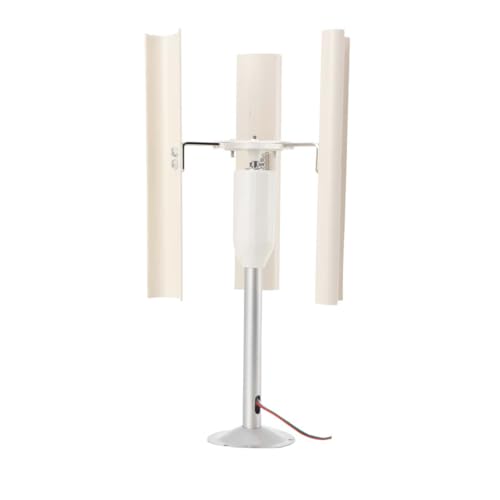
The EODSAD 3-blade axis wind turbine is designed for boats, gazebos, and small cabins. It emphasizes rust resistance, moisture protection, and robust bearings for stable operation in marine environments. Installation is straightforward for DIY enthusiasts, though it’s noted that accompanying instructions may be limited; video support can be requested. The unit concentrates on efficient, low-noise performance to minimize environmental impact while delivering usable power on board during variable winds.
duwiikab 800W 6-Blade Wind Turbine

duwiikab’s 800W turbine features a robust 6-blade design with a 43-inch rotor diameter, built to endure marine conditions. The blades are made from reinforced fiberglass nylon and withstand -40 to 80 degrees Celsius, making them suitable for diverse climates. A 12/24V three-phase AC generator and dual bearings deliver quiet operation and longevity. The unit emphasizes waterproof construction and an adjustable tail to align with wind direction, promoting stability and safety on deck when wind shifts occur.
HinLIaDa 600W Marine Wind Turbine

The HinLIaDa wind turbine kit delivers 600W of power with a five-blade vertical-axis design. It uses a permanent magnet generator and includes a controller to manage charging for 12V systems. The design emphasizes high wind energy utilization with startup at relatively low wind speeds and stable performance across marine environments. The setup is suitable for homes, camping, and boat use, offering an adaptable option for boatowners seeking steady wind-based charging on the water.
Buying Guide: Key Considerations For Marine Wind Power
- Wind reliability and start-up speed: Lower start-up wind speeds let you harvest energy sooner, but consider typical conditions in your boating region. A higher-rated output helps when winds consistently strengthen during passages.
- Voltage, battery compatibility, and charge management: Most marine systems use 12V or 24V batteries. An MPPT or smart controller helps optimize charging, reduces battery stress, and improves overall efficiency in fluctuating winds.
- Durability and materials: Marine turbines face salt spray, humidity, and wide temperature ranges. Look for corrosion-resistant blades, housings, and bearings, plus sealed enclosures to protect electronics.
- Noise and vibration: Quiet operation is important on deck and in cabin spaces. Designs with balanced blades, dual bearings, and robust mounts minimize disruptive noise and vibration.
- Installation and maintenance: Check mounting options, yaw control (direction alignment), and service accessibility. Some models include kit components for easier DIY installation, while others may require professional mounting.
- Scalability and system integration: For hybrid setups, ensure your wind turbine can integrate with solar or shore power, and that the charge controller can handle multiple sources without overloading the system.
- Size, weight, and space: Larger blades generate more power but demand more mounting space and structural support on a boat. Assess deck layout and storage constraints before selecting a unit.
- Warranty and support: Marine-grade equipment benefits from solid warranties and responsive customer support, given the challenging operating environment and potential need for replacement parts over time.