Harnessing wind energy at home is a practical way to boost energy resilience and reduce utility costs. The following guide highlights five wind turbine options designed for residential, farm, RV, and small-business use. Each product emphasizes efficiency, durability, and compatibility with hybrid solar-wind setups. Read on to compare features, performance ranges, and considerations for selecting the right unit for your site.
Summary of Selected Products
| Product | Key Features | Best For |
|---|---|---|
| Wind Turbine Generator Kit, 1200W (5 blades) | Three-phase PM synchronous generator, automatic voltage regulator, yaw-adjustable, durable outdoors | Higher power needs, home hybrid systems |
| VEVOR 500W Wind Turbine Generator (MPPT) | MPPT controller, 2.5 m/s start, 12 V PM synchronous generator, quiet operation | Small homes, RVs, boats, beginner systems |
| FIRMAN W02985 Portable Inverter Generator | Gas-powered inverter, remote/electric/recoil start, quiet performance | Camping, emergency backup, off-grid tasks requiring portable power |
| VEVOR 500W Wind Turbine Kit (MPPT) | Similar to other 500W kit with MPPT, adjustable windward direction | Versatile home and mobile installations |
| 10kW+ Vertical Axis Wind Turbine Kit | Vertical-axis, long service life, MPPT regulation | Long-term, space-constrained sites with varied wind |
The table above outlines a snapshot of capabilities across the featured products. Each option is designed to integrate with solar or battery storage, enabling a robust off-grid or grid-tied setup. When evaluating, consider wind speed at your location, maintenance needs, noise tolerance, and how the system will be incoporated into your existing power plan.
Wind Turbine Generator Kit, 1200W, 5 Blades

The Wind Turbine Generator Kit delivers a potent 1200W continuous output using a three-phase permanent magnet synchronous motor. Its rotor is housed in a rotating aluminum alloy body with a yaw adjustment system to automatically align with wind direction, maximizing energy capture. A fully integrated voltage regulator protects batteries by shutting down automatically when full charge is reached. Designed for durability, the unit features waterproof, corrosion-resistant, and UV-strong components to withstand harsh outdoor conditions. This kit is well-suited for hybrid solar-wind systems in homes with moderate to strong wind resources.
Key considerations include the system’s startup wind speed, compatibility with existing battery banks, and long-term maintenance needs. The product’s integrated controller simplifies operation, while the aerodynamic tail fin helps maintain steady rotor positioning in changing winds. For homes seeking higher energy yield in wind-prone areas, this kit offers a compelling balance of power and reliability.
VEVOR 500W Wind Turbine Generator with MPPT

This VEVOR model provides 500W of wind energy with an MPPT controller for efficient energy harvesting. It is designed for quiet operation, a critical factor for residential installations, and supports a wide wind range with a start-up speed of 2.5 m/s and a 12 m/s rated wind speed. The three-phase PM synchronous generator contributes to stable voltage and current management, making integration with battery storage and inverters smoother. Its durable build suits homes, farms, RVs, boats, and light industrial applications where space and noise are important considerations.
From a performance perspective, the MPPT microprocessor adjusts electrical output to match various loads and battery configurations. Prospective buyers should verify available tower height, warranty terms, and the compatibility of the MPPT controller with their specific battery chemistry and inverter standards. This model is a practical entry point for homeowners prioritizing efficiency without specialized maintenance needs.
FIRMAN W02985 Inverter Portable Generator

The FIRMAN W02985 is a portable inverter generator designed for versatility in outdoor work and emergency scenarios. It combines a 193cc gas engine with inverter technology to deliver stable, clean power suitable for electronics, camping gear, RVs, and home backups. Features include multiple starting options—remote, electric, and recoil—providing convenient access to power in remote locations or after outages. The unit operates at low noise levels (about 58 dB at quarter load), making it suitable for campsites and residential use where quiet operation matters.
Key considerations include fuel availability, runtime at typical load, and maintenance needs of gas engines. Although not solar-wue, this model complements hybrid setups where extended outages or high-surge demand are possible. Owners should plan for fuel storage and periodic service to maintain peak performance across seasons.
VEVOR 500W Wind Turbine Kit MPPT (Second Variant)

This second VEVOR 500W kit mirrors the MPPT-enabled system designed for efficient energy capture in modest wind environments. With a 2.5 m/s start and robust MPPT microprocessor control, it supports power generation in homes, farms, RVs, boats, and other off-grid configurations. The three-phase PM synchronous generator helps stabilize voltage and current for varied loads, enhancing overall system reliability. Appropriate for users expanding existing wind power capacity or integrating with solar and battery storage solutions.
When evaluating this kit, consider the ease of installation, tower height, weather exposure, and whether the MPPT controller matches your battery bank and inverter. This option is well-suited for hobbyists and small households seeking a scalable, relatively quiet wind solution with solid efficiency characteristics.
10,000W/12,000W Upgraded Vertical Axis Turbine Kit
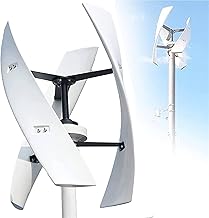
This upgraded vertical-axis turbine kit delivers a higher power capability with 10,000W to 12,000W output and compatibility with 12V, 24V, 48V, and 220V systems. It uses a maglev generator for lower start torque and longer service life, with a designed operating range that aims to maximize annual energy yield in broad wind conditions. The absence of a yaw mechanism is balanced by its 360° wind capture and a robust three-phase PMG, enabling efficient regulation via an intelligent MPPT controller.
Vertical-axis designs can be advantageous in turbulent sites or locations with complex wind patterns. Consider tower height, maintenance access, and compatibility with your chosen storage and inverter architecture. This kit is best suited for long-term, high-energy projects where space or resource constraints make horizontal-axis turbines impractical.
Buying Guide: Key Purchase Considerations
Selection criteria for home wind generators vary by site and goals. Use this guide to compare options objectively and plan for long-term reliability.
- Wind resource and siting: Assess average wind speed at your location. Higher-wind areas may justify a larger turbine, while modest sites may suit a compact 500W system with MPPT.
- System integration: Verify compatibility with existing or planned battery storage, solar panels, inverters, and charge controllers. MPPT controllers help optimize energy capture under fluctuating winds.
- Durability and weather resistance: Look for waterproof, corrosion-resistant housings and UV-stable components for outdoor installation. Consider blade materials and rotor balance for longevity.
- Noise levels: For residential and quiet neighborhoods, prioritize models designed for low operational noise (often around 50-60 dB at typical loads).
- Maintenance and service: Evaluate ease of maintenance, availability of spare parts, and warranty terms. Vertical-axis designs may offer simpler maintenance in some cases.
- Startup wind speed and rated output: Compare start-up thresholds (m/s) and continuous output ratings to ensure practical energy generation at your site.
- Mobile vs. fixed setups: Portable or RV-friendly units provide flexibility but may have trade-offs in continuous power output and durability.
- Regulatory and grid considerations: Ensure compliance with local codes and grid interconnection requirements if you plan to connect to the utility.
Hybrid systems—combining wind with solar and battery storage—offer the most reliable year-round power. When selecting, map your daily energy usage, peak load times, and typical seasonal wind patterns. This approach helps align the turbine’s rated output with actual demand and reduces the risk of underutilizing or overburdening the system.