Combining welding, power generation, and air compression into a single machine can streamline on-site work, reduce equipment clutter, and improve efficiency. This guide highlights five versatile welder-generator-compressor combos, comparing their capabilities, fuel choices, and practical use cases. The selections balance power, portability, and durability to help American professionals choose the right multi-function tool for automotive repair, fabrication, and field construction projects.
Summary of chosen products
- EMAX 3 in 1 Air Compressor – 14 HP, 5000W Generator, Electric Start
- HPDMC 14HP Gas Powered Air Compressor, 6000W Generator, 200A Welder
- Tomahawk Welder Generator Stick Welder Engine Driven 120A
- Tomahawk 15 HP Engine Driven Portable 210A Welder and 2000W Generator
- Portable 2000W Engine Driven Welder, 130A Stick Welder
EMAX 3 In 1: Air, Power, Weld

This multi-functional system combines an air compressor, a portable power source, and a welding interface into one unit. It features a 14HP performance-grade engine with electric start for quick, reliable starts on job sites. The built-in dual ASME-certified air tanks provide stable air delivery to pneumatic tools and systems, reducing cycling and maintaining steady operation. Ideal for automotive shops or on-site fabrication where both air and power are required alongside welding capability.
HPDMC 14HP Gas Powered Air Compressor And 200A Welder
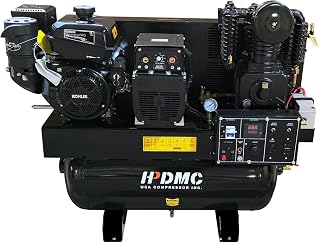
This gas-powered system delivers 14 HP of engine power, up to 180 PSI, and 19 CFM air flow. It includes a 30-gallon ASME tank and a 200A welding capability, with dual voltage options (120V/240V) and electric start for convenient use. The two-stage compressor design provides higher pressure output, reducing compressor cycling and supporting higher-demand tasks, such as auto body work and industrial applications. A solid choice for contractors needing a robust, all-in-one solution with dependable air, power, and welding.
Tomahawk Welder Generator 120A Engine Driven
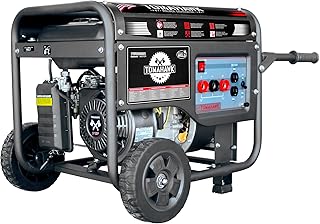
Tomahawk combines welding and portable power in a compact engine-driven package. It provides smooth 120A stick welding with a 2,200-watt inverter generator, ensuring a stable sine wave for consistent welding performance while running tools. This unit emphasizes portability and flexibility for field work where fuel efficiency and quiet operation matter, making it suitable for small to mid-size repair jobs and remote sites.
Tomahawk 15 HP Engine Driven Welder and Generator

This model offers 210A welding output with a 60% duty cycle and a powerful 2000-watt inverter generator. It supports welding and running electric tools simultaneously with an inverter-stabilized sine wave. It’s engineered for heavier-duty tasks such as auto body repair and workshop fabrication where reliable power and high current output are essential.
Portable 2000W Engine Driven Welder 130A

A compact engine-driven welder that doubles as a portable 2000-watt power source. It provides 130A MMA welding, making it suitable for outdoor repairs and field work where access to a traditional power supply is limited. The unit emphasizes low operating costs by eliminating the need for a separate power source, aligning well with budget-conscious projects and smaller fabrication tasks.
Buying Guide: Key Purchase Considerations
- Power output and duty cycle: Match the welding amperage (A) and generator wattage to your typical work. Higher amperage supports thicker metals, while a stable generator output prevents tool voltage drop during welding.
- Air capacity and pressure: If you rely on pneumatic tools, consider air flow (CFM) and tank size (ASME-rated). Larger tanks reduce cycling and provide steadier air pressure for continuous operation.
- Fuel type and efficiency: Gas-powered units are common for fieldwork where electricity isn’t readily available. Look for efficient engines and electric start features to minimize startup effort.
- Portability and weight: On-site mobility matters. Weigh options against the space constraints of trucks or trailers. Inverter-based generators offer quiet operation and smoother power for delicate welding tasks.
- Two-stage compressors and reliability: Two-stage designs provide higher pressure at lower cycling, beneficial for auto body and industrial applications. Ensure the unit has reliable safety certifications and manufacturer support.
- Combination vs. modular: A 3-in-1 system saves space and simplifies maintenance, but dedicated separate units may offer higher max outputs. Consider your typical projects to choose the best balance.
- Maintenance and serviceability: Look for accessible filters, spark plug availability, and routine service intervals. A responsive seller and local service network reduce downtime.
- Safety features: Overload protection, automatic shutdown, and proper ventilation are important for long-term operation and compliance with workplace safety standards.
Use-case Scenarios
Small auto shops benefit from a 120–210A welding range alongside a reliable generator and air supply for cleaning and tool operation. Construction crews may prioritize higher CFM and larger tanks to power impact wrenches, nail guns, and grinders while welding structural components. Remote fieldwork favors gas-powered units with efficient fuel consumption and electric start for quick restarts without external power.
Maintenance and Longevity
Regular inspection of fuel lines, air filters, and spark plugs extends the life of engine-driven units. Keep the air tanks dry and periodically test safety relief valves. Follow the manufacturer’s recommended service schedule to maintain performance and safety across all three integrated systems.