Exploring water-turbine generators can reveal compact solutions for renewable energy on small rivers, streams, or home water systems. This article highlights five notable models, detailing what they offer, how they perform, and what to consider when choosing a hydro-powered setup.
Summary of Selected Products
| Product | Brand | Output | Key Benefit |
|---|---|---|---|
| Beduan Micro Water Turbine Generator (12V) | Beduan | 12V DC | Compact 12V micro generator for small-scale charging and LED lighting |
| Banfluxion Hydroelectric Generator (5KW) | Banfluxion | 220V AC, 5KW | Automatic voltage regulation for larger off-grid setups |
| Hydroelectric Micro Generator (10W, 1/2″) | Wonofa | 12V DC / ~10W | Portable micro-hydro option with durable build |
| EQCOTWEA 5KW Hydroelectric Generator Set | EQCOTWEA | 220V AC, 5KW | Off-grid ready with automatic regulation and leakage protection |
| ZHOZHUT 3000W Micro Hydroelectric Generator | ZHOZHUT | 220V AC, 3KW | High-power compact unit with robust construction |
Beduan Micro Water Turbine Generator (12V)
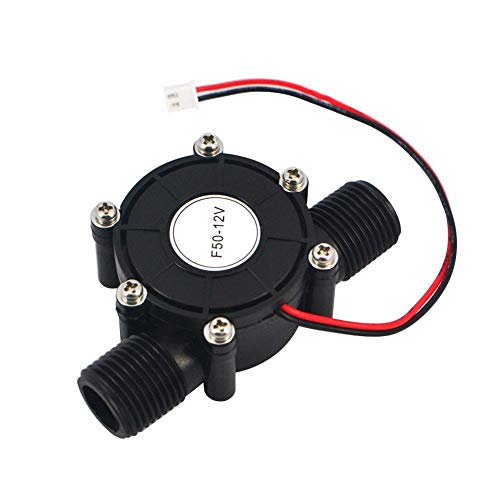
The Beduan 12V micro hydro generator is designed for small-scale power needs, converting flowing water into direct current electricity. Key specifications include a 12V DC output and a maximum outlet pressure of 1.2 MPa. It emphasizes a long generator life of at least 3,000 hours and a modest noise footprint (≤55 dB). Useful applications include charging devices such as radios, powering 10W LED lights, and providing a steady power source for small electronics. The model supports a maximum charge current of about 220 mA, making it suitable for off-grid spots with steady water flow.
Banfluxion Hydroelectric Generator (5KW)

This unit delivers 5KW of output at 220V with a 1-phase configuration and a rated speed of 1500 r/min. It features a 0.035 m³/s flow rate and automatic voltage regulation, enabling leakage protection and electricity generation without relying on batteries or inverters, which can reduce system complexity and potential energy losses. Built with copper wiring and a sturdy turbine shell, the generator is designed for durability under demanding conditions and extended service life. It emphasizes reliability and energy efficiency in off-grid or remote settings.
Hydroelectric Micro Generator (10W, 1/2″)

The Wonofa hydro generator is a portable micro unit designed to convert potential energy from flowing water into electrical energy. Its compact form factors up to 10W of output, and the product description notes high UV and water resistance for extended life. A target use case includes off-grid charging and powering small devices, with a generator lifespan exceeding 3,000 hours and a corrosion-free exterior. The design emphasizes durability and simple operation for remote locations or temporary deployments.
EQCOTWEA 5KW Hydroelectric Generator Set

The EQCOTWEA 5KW hydroelectric generator set provides automatic voltage regulation and leakage protection, delivering a steady 220V/60Hz single-phase AC output directly—eliminating the need for inverters in many off-grid configurations. Its Pelton turbine and 100% copper wire generator emphasize reliability and efficiency for homes, cabins, or farms. The design targets high-head, low-flow water sources and is positioned as a robust, simple-to-install solution for users seeking a dependable power source in challenging environments.
ZHOZHUT 3000W Micro Hydroelectric Generator

The ZHOZHUT hydro generator offers a 3000W output at 220V with a robust aluminum alloy shell and a pure copper core coil, designed to improve power generation efficiency. The unit features a side water inlet with a 110mm diameter and a bottom outlet of 200mm, contributing to stable water flow through the turbine. It emphasizes compact dimensions—23 cm tall, 20 cm wide, and about 8 kg in weight—facilitating portability and flexible deployment in home, outdoor, or remote locations. Easy installation is highlighted, with simple pipe connections to begin power generation once water pressure is adequate.
Buying Guide: Key Considerations For Water Turbine Generators
- Output and voltage: Determine whether you need 12V, 24V, or 220V AC. Small, off-grid setups often use 12V or 24V, while larger installations may require 220V AC to power household appliances directly.
- Head and flow requirements: Hydroelectric systems rely on water head (vertical drop) and flow rate. Higher head and adequate flow improve efficiency, but matching the turbine’s design to your stream is essential for stable power.
- Regulation and protection: Automatic voltage regulation helps maintain consistent output. Leakage protection and robust housings protect against water exposure and electrical faults in outdoor environments.
- Durability and materials: Look for copper windings, corrosion-resistant housings, and bearings designed for continuous operation in wet conditions. A longer service life reduces maintenance intervals.
- Noise and footprint: Noise limits (where applicable) and compact dimensions matter for residential settings or remote cabins where the unit is near living spaces or trails.
- Installation and maintenance: Consider ease of installation, required fittings, and the availability of spare parts or service for the turbine and generator assembly.
- System integration: Off-grid setups may require inverters, batteries, or regulators. Some units claim “no inverter needed” for direct AC output, which can simplify the system but may limit battery storage flexibility.
- Applications: Small 10W–50W units suit lighting and charging; mid-range 5KW units can run a home’s essential loads; higher-power systems support cabins or farms with more electricity demand.
- Reliability under variable flow: In streams with seasonal variations, a generator with acceptable efficiency at lower flow rates is advantageous for year-round operation.
- Cost vs. lifetime: While prices vary, prioritize a configuration with predictable lifetime performance, minimal required maintenance, and compatibility with your water source.
Choosing a water turbine generator involves balancing water availability, desired electrical output, and installation practicality. The products listed above illustrate a range from compact micro-generators suitable for charging small devices to multi-kilowatt systems designed for off-grid homes. Evaluate your water resource, space, and energy goals to select a unit that aligns with your off-grid lifestyle.