Answering the needs of professional contractors and serious DIYers, the best walk-behind asphalt saws combine power, stability, and dust control for clean, accurate cuts. This guide highlights five top options, clarifying who each model fits best and why. Whether you’re cutting asphalt driveways, concrete sidewalks, or street curbs, these picks balance durability, maneuverability, and ease of use. The top picks cover gas-powered reliability, worm-drive precision, and lighter portable designs for smaller jobs.
| Product | Brand | Best For | Key Advantage |
|---|---|---|---|
| SKIL SPT79A-10 | Skil | Medium to large concrete cuts | Worm-drive power and adjustable, transport-friendly design |
| Stark USA 6.5HP Walk-Behind | Stark USA | Small to medium jobs like sidewalks | Excellent weight distribution and stability |
| SKIL SPT79A-10 & SPT4004 | Skil | Versatile concrete and asphalt cuts | Complete cutting system with segmented blade option |
| Tomahawk 6″ Early Entry | Tomahawk Power | Limited-space or low-depth cuts | Honda GX120 engine, compact design |
| CORMAC CQ480 | CORMAC | Heavy-duty floors and large slabs | Rigid box frame minimizes vibration, includes blade |
Introduction stopped here to give readers a quick snapshot of recommended models and their best-use scenarios. The following sections detail each product with clear, buyer-focused guidance and practical considerations.
SKIL SPT79A-10: 7-Inch Worm-Drive Walk Behind
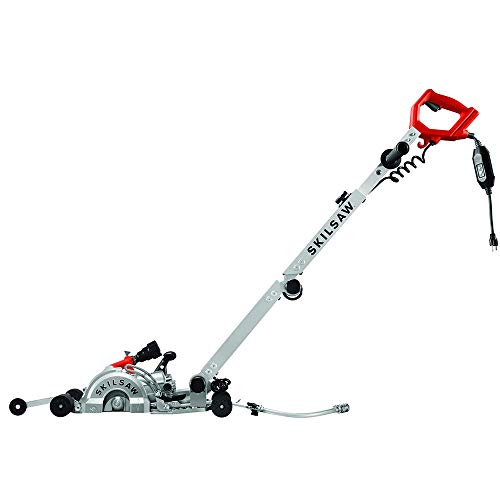
The SKIL SPT79A-10 is designed for concrete cuts with worm-drive power, offering durability and a complete cutting system. It features an adjustable, folding handle for optimal height and easy transport, plus a two-finger trigger to reduce fatigue. A wet/dry dust management system helps maintain cleaner cuts and better blade life, supporting OSHA compliance. Best for contractors who need a robust, all-purpose saw that can handle mid to large jobs with better control and reduced operator effort. A potential limitation is weight when working in tight spaces, which may require extra setup time.
Stark USA 6.5HP Walk-Behind Concrete Saw
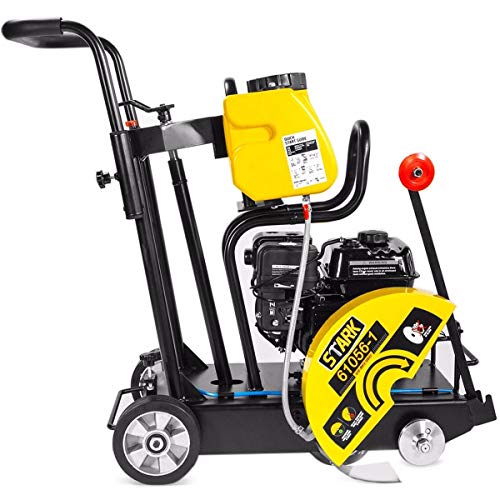
The Stark USA model emphasizes ease of use for smaller jobs such as sidewalks or driveways, with strong weight distribution and stability that improve maneuverability. An easy-removal water tank enables steady blade cooling and dust suppression, while the saw position guide helps ensure straight cuts. The rotating handle allows quick depth adjustments. Choose this if you routinely work on smaller projects or need a compact machine that still provides reliable performance. It may be less ideal for very large slabs where higher blade depth and power are beneficial.
SKIL SPT79A-10 & SPT4004: Versatile Diamond Saw Combo

This SKIL pairing provides a complete concrete cutting system with worm-drive power and a durable frame. The combination includes a segmented diamond blade option for faster, more aggressive cuts, and the same adjustable folding handle and dust management as the single-model version. Best for crews that want one dependable kit for a variety of jobs, including both concrete and asphalt. A caveat is the added weight and bulk of the combined setup, which can slow setup time on tight sites.
Tomahawk 6″ Early Entry Walk Behind
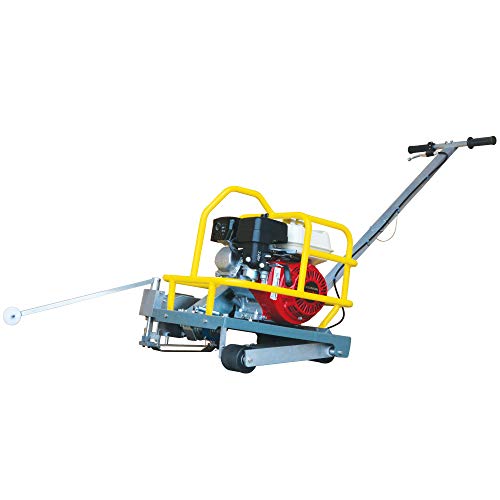
The Tomahawk 6″ Early Entry saw focuses on compact, early-entry cuts. It uses a 3.5HP Honda GX120 engine to deliver reliable power in tighter spaces, making it a good choice for smaller projects or spaces with limited maneuverability. Best for small-scale projects or contractors prioritizing a lighter, easier-to-transport option. A limitation is the smaller cutting depth and blade size, which reduces throughput on larger slabs.
CORMAC CQ480: 20″ Walk-Behind Floor Saw

The CORMAC CQ480 provides a robust option for heavy-duty floors and large slabs. It features a 13 HP gasoline engine, water tank, and a reinforced steel frame designed to reduce vibrations for steadier cuts and longer blade life. The included 20″ concrete blade adds immediate usability. Best for larger commercial jobs or projects requiring consistent straight cuts across wide sections. A potential limitation is its size and weight, which may require more space and experienced operators to maneuver effectively.
Buying Guide
Which walk-behind saw best fits your project size and location?
- Job scale: For sidewalks and driveways, consider mid-sized gas-powered models with solid stability. For large slabs, prioritize higher blade capacity and a rigid frame.
- Power source: Gas engines offer mobility without cords, but require more maintenance. Electric or battery options are quieter and produce fewer emissions, yet may limit runtime.
- Dust and water management: Look for a dust collection system or water-cooling setup to maintain blade life and comply with job-site regulations.
- Depth and blade compatibility: Ensure the saw supports the required cutting depths and blade types (concrete, asphalt, or diamond segmented blades).
- Portability: Folding handles and manageable weight improve transport between sites, especially in urban projects with access constraints.
- Durability and warranty: A reinforced frame and durable components reduce downtime on busy job sites.
FAQ
- What is a walk-behind asphalt saw best used for?
– They are designed for long, straight cuts in concrete and asphalt on sidewalks, driveways, and road work, offering stability and control for consistent results. - Do worm-drive saws offer advantages for concrete cutting?
– Yes. Worm-drive systems typically provide more torque and durability for continuous cutting tasks, especially on tougher materials. - Is water handling important for these saws?
– Yes. Water cooling reduces dust and blade wear, helping maintain cut quality and blade life on large cuts. - Can I use these on asphalt as well as concrete?
– Many models support both materials with appropriate blades; confirm blade compatibility in the product specs. - What should I consider when choosing blade size?
– Blade size determines cutting depth and throughput; larger blades cut deeper but require more power and larger work areas. - Are there portable options for tight spaces?
– Yes. Some 6″ to 14″ models offer compact design and easier maneuverability for restricted sites.