Find the ideal van rooftop solar panels to power an RV, camper, or tiny home off-grid. This guide compares five top options known for 12V/24V compatibility, anti-shade features, and compact designs that fit tight van rooftops. Best for space-constrained vans, high-efficiency setups, and reliable shading tolerance. The buyer profile ranges from weekend voyagers to full-time van dwellers seeking steady, quiet power.
| Product | Best For | Key Benefit |
|---|---|---|
| Callsun N-Type 16BB 400W Bifacial (2×200W) | Large van systems needing more daily output | Bifacial design for up to 30% more energy |
| Renogy 200W N-Type 16BB | Compact vans with limited roof space | Smaller, lighter, 25% efficiency cells |
| HQST N-Type 16BB 200W Bifacial | Vans in bright reflectivity environments | Up to 30% more power with back-side capture |
| HQST 200W Bifacial 16BB (Compact) | Tight rooftop spaces | Small footprint with high efficiency |
| Callsun N-Type 16BB 200W Bifacial | Balanced size and high efficiency | Dual-module anti-shade design |
Callsun N-Type 16BB 400W Bifacial (2×200W)

The Callsun 400W bifacial solution uses N-Type 16BB cells for higher efficiency and reliability, delivering up to 25% conversion. The bifacial design captures rear-side light, boosting total output by up to 30%. This two-panel setup is best for van owners who want a higher daily energy budget without stacking multiple separate panels. Consider this option if your roof area supports a two-panel arrangement and you aim for maximum daytime power.
Best for: bigger Class B or larger van setups with reflective rooftop surfaces and ample mounting space.
Limitation: Higher upfront footprint and weight; installation requires careful layout planning on smaller roofs.
Renogy 200W N-Type 16BB

Renogy’s 200W N-Type option uses 16BB cell technology to deliver up to 25% efficiency in a compact, lighter package. Its smaller size is ideal for Class B vans where roof space is precious, and its 24V system compatibility helps minimize current loss for better efficiency in mixed sun conditions. It is well-suited for owners wanting a reliable, space-saving installation with flexible battery compatibility.
Best for: tight van roofs needing a high-efficiency panel without adding excessive weight.
Limitation: Slightly less shading tolerance than bifacial designs in some layouts; real gains depend on reflectivity and mounting height.
HQST N-Type 16BB 200W Bifacial

This HQST option emphasizes a compact, lightweight build with bifacial technology. The 25.4% efficiency and 30-year service life reflect durable N-Type cells designed for RVs and vans. It benefits vans parked in reflective surfaces or bright environments where rear-side light contributes meaningful energy gains. Suitable for those prioritizing longevity and space efficiency.
Best for: vans needing a compact, durable panel with strong long-term performance.
Limitation: Gains from bifaciality vary with installation surface reflectivity; actual output depends on mounting height and tilt.
HQST 200W Bifacial Compact
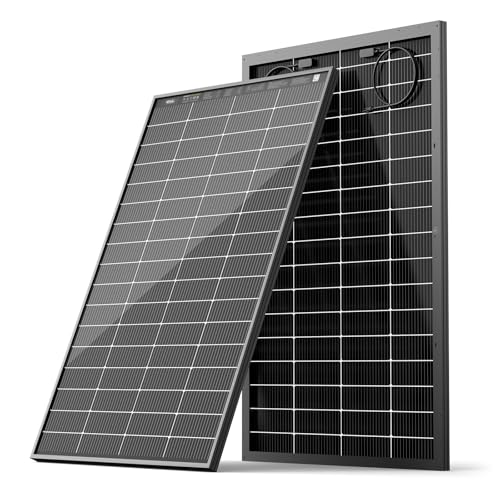
This HQST model focuses on a smaller footprint without sacrificing bifacial benefits. The design aims to maximize daily energy delivery for vans with limited rooftop space, supporting 12V and potential 24V expansion through series connections. It suits van dwellers who want a balance between size and output in a single, efficient module.
Best for: Class B van owners seeking a compact, efficient bifacial panel.
Limitation: Real-world power gains depend on installation reflectivity and height; may require careful orientation to maximize rear-side capture.
Buying Guide
How to choose the right panel for a van roof
- Roof space and mounting options: Measure available area and consider panel dimensions. Compact, lightweight panels reduce mounting complexity and structural load.
- Cell technology and efficiency: N-Type with 16BB or 18BB busbars reduces micro-cracks and hot spots, delivering higher efficiency and longer lifespan in hot climates.
- Bifacial versus monofacial: Bifacial panels capture rear-side light, boosting output, especially on reflective rooftops. They perform best with bright, reflective surroundings.
- Shading tolerance: TwinCell or anti-shade designs help maintain output when portions of the panel are shaded by vents, roof equipment, or nearby structures.
- System compatibility: Ensure the panel matches your battery voltage (12V/24V) and your charge controller or inverter setup to avoid mismatched current ratings.
Panel installation considerations
- Mounting hardware: Use corrosion-resistant racks and weatherproof seals to protect roof seams.
- Tilt and orientation: Optimize tilt angle for seasonal sun exposure; consider vent placement and vents that may shade panels.
- Wiring and safety: Route cables away from edges and secure with clips to prevent movement while driving.
Maintenance and longevity
- Regular cleaning: Remove dust and debris to maintain efficiency; avoid abrasive cleaners.
- Electrical checks: Inspect connectors and junction boxes for moisture ingress and corrosion.
- Warranty and service life: Note that long-term performance depends on environmental exposure and proper installation.
FAQ
- Q: Are bifacial panels worth it for van roofs? A: They can be, especially on bright, reflective rooftops, because they capture rear-side light and can increase total output.
- Q: Can these panels work with a 12V system? A: Yes, many are compatible with 12V and 24V battery banks, often through appropriate charge controllers.
- Q: Do I need a special controller for bifacial panels? A: Not necessarily; standard MPPT or PWM controllers that support your system voltage usually work, but verify current and power ratings.
- Q: How much space do I need on my van roof? A: It depends on the chosen panel size and your energy needs; compact 200W units fit smaller roofs, while 400W configurations require more area.
- Q: How do I maximize output in shade-prone areas? A: Choose panels with anti-shade design like TwinCell technology and install with a slight tilt to reduce shaded areas.
- Q: What is the expected lifespan of these panels? A: Modern N-Type bifacial panels are designed for long-term use, often with extended service life compared to traditional P-Type cells, though actual life depends on climate and maintenance.