When power reliability matters, a tri-fuel inverter generator offers flexible fuel options, clean power for electronics, and quiet operation. This guide highlights five top models that balance efficiency, versatility, and value. It’s ideal for RV owners, home backup planners, and users needing reliable portable power with multiple fuel choices.
| Product | Fuel Options | Max Output (W) | Best For |
|---|---|---|---|
| Westinghouse iGen12000TFc | Gas/Propane/Natural Gas | Up to 12,000 peak | Whole-home backup, large spaces |
| WEN TF1300iX | Gas/Propane/Natural Gas | Up to 13,000 surge | Emergency backup, transfer switches |
| Champion Power Equipment 8500-Watt | Gas/Propane/Natural Gas | Up to 8,500 running | RV use, remote start |
| Gidrox 11000W Tri-Fuel | Gas/Propane/Natural Gas | Up to 11,000 peak | Quiet standby, ATS ready |
| Westinghouse 14500 Peak Watt | Gas/Propane/Natural Gas | Up to 14,500 peak | Large-home backup, heavy loads |
Westinghouse iGen12000TFc Tri Fuel Inverter Generator
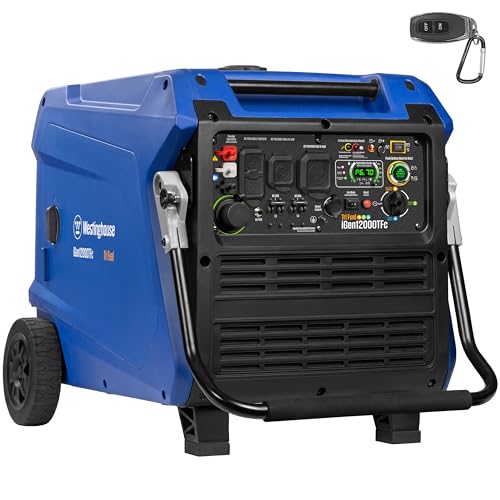
The Westinghouse iGen12000TFc combines high output with inverter safety. It runs on gasoline, propane, or natural gas and features a 50A outlet for substantial backup power. This model is best for users seeking whole-home capability with quiet operation, suitable for modern electronics due to low THD and clean sine wave output.
Best for: Homeowners who want a strong, flexible power source capable of running major appliances and electronics during outages, with the convenience of Tri-Fuel options. The unit’s ECO mode aids fuel savings, and a CO sensor adds safety during extended outages.
Caution: Large fuel tanks mean longer run times but require secure storage and proper venting. Note that performance varies with fuel type and load; expect slightly lower output on natural gas compared with gasoline.
WEN TF1300iX Tri-Fuel Inverter Generator

The WEN TF1300iX offers switchable gasoline, propane, and natural gas power with a compact footprint and a quiet operating profile. Its 120V/240V configuration is well-suited for transfer switches and emergency backup. The built-in CO Watchdog provides automatic shutdown if CO levels become dangerous, enhancing family safety.
Best for: Users needing an efficient tri-fuel unit that aligns with transfer switches and Level 2 charging setups, especially in homes with limited space or a focus on safety features. It’s a balanced choice for small to mid-size loads during outages.
Limitation: While powerful, the unit’s output is best matched to standby loads rather than constant high-draw appliances. Fuel economy can vary with load and fuel type.
Champion Power Equipment 8500-Watt Tri Fuel Inverter Generator

Champion’s 8500-Watt model prioritizes remote operation and convenience with a wireless start and compatibility with natural gas, propane, or gasoline. It includes hoses to connect to natural gas or propane for immediate use and supports integration with energy storage or automatic transfer switches for automated backup.
Best for: RV enthusiasts and home users who want simple, distance-enabled starting and easy integration into backup systems. The unit’s versatility makes it a strong pick for vehicles or off-grid scenarios requiring reliable tri-fuel power.
Limitation: Remote start adds convenience, but range and reliability depend on battery health and distance. High-demand loads should be managed to avoid triggering safety protections.
WEN TF1050iX Tri-Fuel Inverter Generator

The WEN TF1050iX provides reliable tri-fuel performance with a 120V/240V setup ideal for transfer switches and emergency backup. It features the Watchdog CO Shutdown Sensor for automatic shutdown in unsafe CO conditions, enhancing home safety during power outages.
Best for: Users seeking a compact but capable tri-fuel inverter with strong safety features and a versatile output capable of handling essentials during outages. Choose this if you want balanced performance at a practical size.
Limitation: Running at close-to-capacity for extended periods may reduce runtime efficiency. Consider pairing with a larger tank or load management for longer outages.
Gidrox 11000W Tri-Fuel Inverter Generator

Gidrox delivers a robust 11,000W peak with a focus on safety and efficiency, featuring a CO sensor and a large 8.7-gallon tank for extended runtimes. It’s designed to be quiet (65dB) and capable of powering sensitive electronics with clean sinusoidal output under 3% THD.
Best for: Buyers needing a quiet, high-output tri-fuel unit with ATS readiness and strong safety protections. The included hoses for LPG and NG enable immediate use without extra purchases.
Limitation: Heavier units can be less portable; ensure your setup can accommodate the size and weight for transport or storage.
GENMAX 6250w Tri-Fuel Inverter Generator

The GENMAX GM6250iET offers tri-fuel capability with a smart digital control panel and multiple outlets, including a 50A option. It supports 2-wire auto start/stop and Bluetooth app control, with CO sensing for safety and a THD under 3% for electronics compatibility.
Best for: Home backup or camping where digital control and remote operation add value. The 50A outlet and thermal efficiency features support larger loads while maintaining portability.
Limitation: While feature-rich, the system’s runtime at higher loads will depend on fuel type and load. Ensure your expected loads align with its wattage range.
Buying Guide
What to consider when choosing a tri-fuel inverter generator
- Fuel flexibility vs. runtime: More fuel options provide resilience, but larger fuel tanks also add weight. Consider your typical outage duration.
- Power needs: List essential devices and their total wattage. For whole-home backup, prioritize higher peak and sustained output.
- Portability: Weigh the unit’s weight, wheel kit, and handle design against space constraints and transportation needs.
- Noise and comfort: Inverter generators with ECO mode and mufflers reduce noise, improving suitability for neighborhoods and campsites.
- Safety features: CO sensors, low-oil shutdown, and transfer switch readiness protect users and equipment during outages.
- Outlets and compatibility: Check for 50A, 30A, and standard outlets, plus 120V/240V configurations for multi-device charging and RV use.
- Maintenance and runtime: Look for easy maintenance, service intervals, and fuel economy when under partial vs. full load.
- Setup readiness: Some units include hoses for natural gas and propane, while others may require accessories for full tri-fuel operation.
Transfer switches, parallel operation, and safety considerations
For seamless backup, ensure compatibility with automatic transfer switches (ATS) and consider whether parallel operation is supported for added power when needed. Always follow manufacturer instructions for safe operation, proper ventilation, and fuel storage.
Battery charging and modern power needs
Some tri-fuel models offer features that support Level 2 charging or integration with energy storage. If you rely on battery systems, prioritize inverters with 120V/240V output and stable THD under 3% to protect sensitive electronics.
Fuel availability and readiness plan
Evaluate local fuel access: natural gas is convenient if piped to your location; propane and gasoline offer flexibility during outages when one fuel source isn’t available. Include a plan for hose kits and connectors included with the unit.
Safety and maintenance checklist
- Regularly test CO sensors and shutdowns.
- Inspect fuel lines for leaks and ensure proper storage of fuels.
- Change oil and air filters per manufacturer guidelines to maintain efficiency.
- Keep generators in well-ventilated areas away from living spaces and doors.
Frequently asked questions
- What does THD mean and why is it important?
Answer: Total Harmonic Distortion (THD) measures how clean the power is. A THD under 3% means safe power for sensitive electronics like computers and medical devices. - Can I run a tri-fuel generator on natural gas indefinitely?
Answer: Natural gas can be used for continuous operation if the source is available, but runtime still depends on load and fuel line capacity. - Is inverter technology worth it for home backup?
Answer: Yes, inverter tech provides stable output, higher fuel efficiency, and better protection for electronics compared to traditional generators. - Are there safety concerns with CO sensors?
Answer: CO sensors automatically shut off the generator if dangerous carbon monoxide levels are detected, reducing poisoning risk during outages. - Do these units require special licenses or permits?
Answer: Generally no, but local codes may require proper installation, venting, or transfer switch installation by a licensed professional. - Which tri-fuel generator is best for RV use?
Answer: Models with compact design, 30A/50A outlets, and easy transfer switch compatibility tend to work best for RV setups.