If you’re tackling old grout or resealing between tiles, the right grout removal tools save time and protect surrounding surfaces. This guide highlights five top tools suited for DIY homeowners and professional renovators alike. Each product is chosen for precision, durability, and ease of use in small and large jobs. Read on to find which tool fits your project, whether you need precision in tight corners or heavy-duty removal for larger areas.
| Product | Best For | Why It Stands Out |
|---|---|---|
| Saker Silicone Caulking Tool 3-in-1 | Detail work and re-sealing | Three-in-one design with stainless steel blade and silicone pads for smooth reapplication |
| Goldblatt Grout Removal Tool with Carbide Tip | Precise, narrow joints | Carbide tip for durable, accurate removal in tight spaces |
| 33 Pack Grout Removal Tool Kit | Versatile, all-in-one set | Large assortment of saws and blades for varied grout and caulk tasks |
| 5 in 1 Silicone Caulking Tool Kit | All-purpose caulk removal and finishing | Ergonomic, multi-angle tools with safety features |
| 29 Pack Grout Removal Tool Set | Heavy-duty, extensive jobs | Diamond-textured blade for fast grout work and durable construction |
Summary in brief: For tight grout lines and resealing, the Saker 3-in-1 offers control and finish. For precision removal in corners, Goldblatt’s carbide tip shines. If you want one kit for many tasks, the 33-pack or 5-in-1 kits provide broad coverage. For larger jobs, the 29-pack set emphasizes speed with a durable blade. The right choice depends on your tile size, grout depth, and whether you’ll reseal after removal.
Saker Silicone Caulking Tool 3-in-1 Grout Removal Tool

The Saker 3-in-1 tool combines an internal angle scraper, flat angle scraper, and silicone smoother. The stainless steel blade is designed for removing old caulk, while the silicone pads help smooth the application of fresh silicone. This tool is best for detail-oriented tasks and bathroom or kitchen joints where precision matters. A noted caution is to avoid overtightening the backside screws, which can affect glide and control. Best for: small to medium grout removal and re-sealing in tight joints. Limitation: may require additional tools for heavy grout removal in very deep joints.
Goldblatt Grout Removal Tool With Carbide Tip
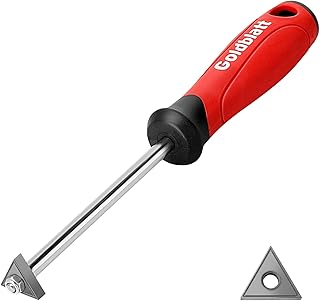
Goldblatt’s tool features a durable carbide tip and a carbon steel rod for high hardness and wear resistance. The flat edge with a sharp corner enables efficient grout removal, especially in corners and tight joints. It’s a strong choice for detail work and small gaps. Best for: precise removal in ceramic tile gaps and narrow seams. Limitation: requires careful handling to avoid scratching hands; use protective gloves.
33 Pack Grout Removal Tool Kit

This 33-piece kit covers tile grout cleaning, removal, and caulk stripping in one package. It includes 2 tile grout saws, 6 replacement blades, 2 hand grout saws, and multiple cleaning blades plus a caulk remover. It’s best for professionals or DIYers tackling multiple rooms, bathrooms, or kitchens. Limitation: kit size may be more than needed for simple tasks; storage can be bulky.
5 in 1 Silicone Caulking Tool Kit

This 5-in-1 kit combines a caulk smoothing tool, removal tool, silicone remover scraper, grout hook, and seal puncture pin. It’s versatile for both caulking and grout work, reducing the need to switch tools. Best for: users who want an all-purpose tool that covers smoothing and removal. Limitation: may not have the depth control needed for very thick grout in rugged installs.
29 Pack Grout Removal Tool Set

Lewrwet’s 29-piece set emphasizes heavy-duty performance with a diamond-textured blade designed for faster grout removal and minimal tile damage. The kit includes multiple blades and handles for extended projects. Best for: larger bathroom or kitchen remodels with extensive grout removal needs. Limitation: heavier set may require more storage and handling effort for beginners.
Buying Guide
What should you consider before buying grout removal tools? First, assess the job size. For quick repairs or small corners, a 3-in-1 tool or a single carbide-tipped blade can be most efficient. For entire rooms, a comprehensive kit with multiple blades and saws reduces tool switching and time. Material durability matters: carbide tips and stainless steel blades resist wear and corrosion. Comfort and control are essential for longer sessions; look for ergonomic handles and non-slip grips. Also consider safety; tools with retractable blades or guards minimize accidental cuts. Finally, think about end-goals: if you’ll reseal, choose tools that facilitate a smooth finish on re caulked joints.
Frequently Asked Questions
- What kind of grout remover is best for tight corners? A carbide-tipped tool or a precision grout saw with a small head is typically best for tight corners and narrow joints.
- Can I reuse old grout after removing it? Usually not; old grout is brittle and may contain dust and debris. Fresh grout provides a stronger seal and a neater finish.
- Is a multi-tool kit better than buying individually? For most projects, yes. A kit provides multiple blades and tools, reducing the need to purchase separate items.
- How do I protect surrounding tiles during removal? Use tools with controlled blades and work slowly along the grout line. Wear eye protection and gloves to prevent injury.
- When should I reseal after grout removal? Reseal soon after removing old grout to prevent water damage and mold growth in porous substrates.
- Are these tools suitable for both ceramic and stone tiles? Most are designed for ceramic grout, and many can handle stone tiles if used carefully; follow manufacturer guidance for specific materials.