Power security and independence begin with a reliable solar generator setup. This guide highlights top-value options designed for home use, camping, RV life, and emergency preparedness. We review capabilities, charging speeds, battery tech, and portability to help you choose a system that fits your energy needs and budget. Explore five standout models and how they compare for daily use and critical power during outages.
Summary of selected products:
- Jackery Solar Generator 1000 v2 with 200W Solar Panel — 1070Wh, LiFePO4, 1500W AC, 1Hr fast charge
- Portable Solar Generator, 300W with 60W Panel — 280Wh, multiple outputs, SOS light
- OSCAL PowerMax 6000 Solar Generator with 3×400W Panels — 3600Wh, 6000W continuous, 2400W solar charging
- Anker SOLIX C1000 Gen 2 Portable Power Station — 1024Wh, 2000W output, fast recharge
- Solar Powered Generator 200W Peak/100W Rated — 146Wh, 7 outlets, compact and light
Jackery Solar Generator 1000 V2 With 200W Panel

The Jackery Solar Generator 1000 V2 combines a substantial 1,070Wh LiFePO4 battery with a practical 1,500W continuous AC output. It’s designed for off-grid living, RV travel, and emergency use. A 3,000W surge helps power high-load appliances, including fridges and small HVAC units. Weighing about 23.8 pounds and featuring a foldable handle, it remains portable enough for quick relocation or outdoor adventures. The 1-hour fast charge capability uses emergency charging through the Jackery app, while ChargeShield 2.0 optimizes safety during rapid replenishment. The long lifespan of the LFP battery means reliable performance across thousands of cycles.
Key considerations for this model include: robust power output for essential home appliances, portability for camping or travel, and a battery designed for longevity. If your aim is a dependable all-weather backup with a strong surge rating, this option stands out for domestic use and mobile living spaces.
Portable Solar Generator With 60W Panel (300W)

This 300W portable generator bundles a foldable 60W solar panel with a 280Wh battery pack. It provides multiple outputs: two 300W AC outlets, one DC port, and several USB ports to support everyday electronics, smartphones, tablets, and small devices during trips or outages. The built-in flashlight adds helpful lighting for camping and emergencies. The system supports wall, solar, or car charging, delivering flexibility when solar conditions are variable. It’s best suited for light-load scenarios, off-grid camping, or as a compact home backup for essential devices.
Consider this model if you want easy setup, a compact footprint, and a straightforward charging path. It’s ideal for short trips, weekend camping, or backup power for small devices when you’re away from the grid.
OSCAL PowerMax 6000 Solar Generator

The OSCAL PowerMax 6000 is a high-capacity solar generator with 3×400W solar panels and a total capacity of 3,600Wh. It offers four AC outlets with a 6,000W continuous rating and up to 9,000W surge, plus dual-voltage 120V/240V bi-directional outputs. Fast charging reaches 0–100% in about 1.44–1.96 hours, using 2,200W AC input and 2,400W solar input. Its LiFePO4 battery supports up to 3,500 charge cycles and a long lifespan, along with an eight-layer safety BMS to protect against common faults. It’s designed for home backup, outdoor work sites, and long outages where sturdy, reliable power is essential.
Key strengths include high power output for whole-home use, swift recharging, and durable battery chemistry. It’s a strong fit for users who require a robust system for extended outages or large equipment charging, with emphasis on safety and longevity.
Anker SOLIX C1000 Gen 2 Portable Power Station
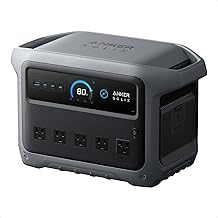
The Anker SOLIX C1000 Gen 2 offers a compact yet powerful package with a 1,024Wh LiFePO4 battery and up to 2,000W continuous output (3,000W peak). It can recharge to full in roughly 49 minutes using HyperFlash technology and supports fast recharging via the Anker app. The device is designed for home backup, remote work setups, and off-grid living with a notable emphasis on rapid replenishment and portability. Its smaller footprint compared to similar models makes it suitable for mobile use in an RV or apartment setting, while still delivering sufficient wattage for essential appliances and electronics.
Consider this model when you need quick recharging and a balance between power and portability. It’s well-suited to users who prioritize speed of recharge and a lighter form factor for frequent movement within the home or vehicle.
Solar Powered Generator 200W Peak/100W Rated

This compact solar generator pairs a lightweight 146Wh portable power bank with a 40W solar panel, delivering seven outputs, including 110V AC, USB-A, USB-C, and a DC port. It’s designed for light loads and transportable camping power. High portability makes it attractive for hikers, travelers, and small households seeking an emergency energy hedge without a heavy setup. It’s best for charging phones, tablets, cameras, drones, and small fans during outdoor activities or minor home outages.
The system emphasizes versatility and ease of use with a mix of outlets and a foldable panel option. It’s an accessible entry point into solar power, particularly for those prioritizing mobility over heavy load capacity.
Buying Guide: Key Purchase Considerations And Comparisons
Purpose and usage: Define whether your priority is home backup, off-grid living, or portable camping. Home backup often benefits from higher capacity and multi-AC outlet setups, while portable units suit RV trips and small devices. Off-grid living may require larger battery banks and better solar charging compatibility for extended outages.
Battery chemistry and lifespan: LiFePO4 batteries offer longer life cycles and deeper discharge protection compared with some other chemistries, resulting in more reliable long-term performance. Look for battery longevity claims and cycle counts, and consider how often you’ll recharge and discharge the unit.
Power output and surge rating: Match the generator’s output to your essential devices. A higher continuous wattage and surge capacity allow running larger appliances like refrigerators, air conditioners, or power tools. For light use, 300–600W units can cover phones, laptops, lights, and small fans.
Charging speed: Fast charging reduces downtime between outages. Some models offer 1-hour full recharge features with specific tech (such as advanced inverters or app-assisted charging). Assess whether rapid recharging aligns with your typical outage duration and solar exposure.
Solar compatibility and expandability: Ensure the unit supports solar panel inputs that fit your planned installation. Some systems are bundle-friendly, including solar panels, while others may require separately purchased panels. Consider future expansion if you want to increase capacity gradually.
Portability and form factor: Weigh the weight, handle design, and overall footprint against your space constraints. Heavier models may require vehicle transport, while lighter units are easier to move inside a home or campsite.
Safety and protection features: Look for built-in protections such as overcharge, over-discharge, short circuit, temperature control, and an effective battery management system. These features help maintain battery health and user safety during charging and operation.
Output versatility: A broad mix of outlets (AC, USB-A, USB-C, DC car ports) enhances compatibility with a wide range of devices. Consider whether you need 240V support, multiple simultaneous loads, or specialized ports for laptops and cameras.
Price-to-performance: Compare capacity, output, and features relative to price. A higher upfront cost can be justified by longer lifespans, faster charging, and the convenience of a modular solar setup.
Maintenance and warranty: Check warranty duration, battery replacement options, and availability of customer support. A solid support ecosystem helps with troubleshooting and potential upgrades down the line.