To minimize noise while keeping essential power available, choose a low-THD inverter generator designed for RV use. The top picks below are best for campers, tailgaters, and homeowners needing quiet, fuel-efficient power for sensitive electronics. Each option balances runtime, noise level, and portability to fit different camping styles—from weekend trips to full-time RV life.
Summary table of selected products:
| Product | Best For | Notes |
|---|---|---|
| PowerSmart 3600-Watt | Medium power RV camping | Best balance of power and runtime |
| WEN 4800-Watt DF480iX | Dual-fuel flexibility | Very quiet; CO watchdog |
| WEN 56477i | RV-ready lightweight | Strong surge, clean power |
| AIVOLT 4300W | Ultra-quiet portability | Low weight, long runtime |
| Westinghouse 5000 Peak | High-demand power | Remote start and RV outlets |
PowerSmart 3600-Watt Portable Inverter Generator

The PowerSmart unit delivers 3600 starting watts and 3200 running watts from a 149cc OHV engine. It uses inverter technology to provide a clean sine wave with less than 3% THD, making it safe for laptops, phones, and other sensitive electronics. This model is best for RVers who need reliable camp power for air conditioners, fridges, and basic tools while keeping noise low and fuel use reasonable.
Best for: RV travelers and campers who require steady power for mid-size appliances with a quiet footprint. Choose this if you want a single generator that handles common RV loads without overpowering the campground.
Limitation: Runtime depends on load; up to about 8 hours at 25% load, which may require longer trips or fuel planning for heavier use.
WEN Quiet 4800-Watt Dual Fuel RV-Ready Generator

The WEN DF480iX runs on gasoline or propane, delivering 4800 surge watts and 4000 running watts on both fuels. It’s designed for quiet operation and clean power to protect electronics. It includes features like a CO shutdown watchdog for added safety and is a solid choice for RV owners who want flexibility and a calm campsite.
Best for: RV users who value dual-fuel flexibility and quiet operation. Choose this if you occasionally switch between fuel sources to extend running time or fuel availability.
Caution: Propane can yield different runtime and power characteristics; plan for fuel source availability accordingly.
WEN 56477i Quiet Portable Inverter Generator

This 4800-watt inverter generator offers 4000 running watts with clean power suitable for sensitive electronics. It also features the built-in CO shutdown sensor to automatically dim or cut power if carbon monoxide levels rise, a key safety consideration for enclosed camping spaces or home use during outages.
Best for: Campers who need reliable RV power with a strong safety feature set. Choose this if you want a robust, quiet generator with automatic carbon monoxide protection.
Limitation: Slightly heavier than some ultra-light models, which could impact portability for hikers or solo travelers.
AIVOLT Inverter Generator 4300W

The AIVOLT generator provides 4300 starting watts and 3450 running watts with a claimed sub-60 dBA noise profile. It uses an exclusive 149cc four-stroke engine and includes an eco switch to extend runtime. With a light 51-pound frame, it targets campers seeking portability without sacrificing power for tools, lights, and small appliances.
Best for: Campers who value portability and quiet operation for short to medium trips. Choose this if you want a compact, lower-weight option that still offers substantial power.
Caution: Real-world noise can vary with load; under high load it may be louder than the advertised quiet figure.
Westinghouse 5000 Peak Watt Quiet Inverter Generator

The Westinghouse model offers 5000 peak watts and 3900 rated watts with less than 3% THD. It includes a remote start via key fob, electric and recoil start options, and a TT-30R 30-amp RV outlet. It’s a practical option for full-time RVs or small homes that require dependable power with convenient start features.
Best for: RV travelers and small homes needing higher power and convenient starting. Choose this if you want strong output with RV-ready outlets and remote start.
Caution: Higher power typically means larger size and weight; ensure you can transport it easily to campsites or storage areas.
WEN DF450i Quiet 4500-Watt Dual RV-Ready
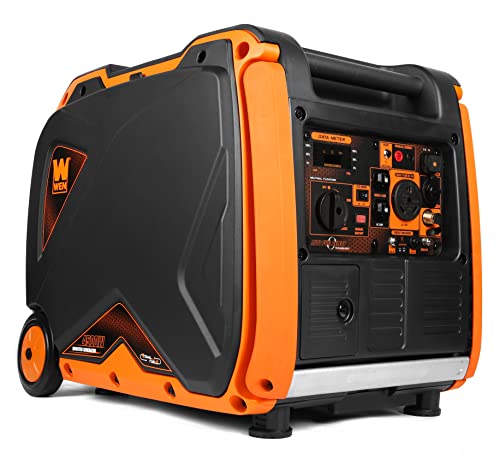
The WEN DF450i operates on gasoline or propane with auto fuel selection for longer run times. It delivers 4500 surge watts and 3500 running watts on gasoline, with comparable performance on propane. It’s EPA III and CARB compliant and uses a 212cc engine to provide quiet operation, roughly 58 dBA at quarter load from 22 feet away.
Best for: Buyers needing flexible fuel options and quiet operation for camping or emergency backup. Choose this if you want automatic fuel switching for longer runs and stable power while traveling or tailgating.
Limitation: Depending on fuel choice, performance and run time may vary; plan around fuel availability and film your setup if you rely on propane.
Aceup Energy 4000 Watt Inverter Generator

The Aceup Energy generator weighs a compact amount and offers 4000 peak watts with 3200 running watts. It includes a 1.32-gallon tank and can run up to about five hours at half load. It provides a 120V AC outlet, an RV receptacle, and a 12V DC charger, plus a parallel-ready design for expanding power when paired with another unit.
Best for: RV users who want a compact, budget-friendly option with parallel capabilities for extra power. Choose this if you anticipate needing extra watts through pairing.
Caution: The listed runtime is load-dependent; expect shorter runtime under heavier loads or when using multiple devices.
Westinghouse 2550 Peak Watt Light Inverter Generator

The Westinghouse model weighs about 42.4 pounds and offers 2550 peak watts with 1900 running watts. It runs on gas or propane, includes one RV-ready TT-30R outlet and two USB outlets, and features an economy mode for maximum fuel efficiency. It’s a good backup option for home use or small camping setups requiring light-supply power with quiet operation.
Best for: Light-duty RVs or home backup where ultra-quiet operation matters most and power needs are modest. Choose this if you prioritize portability and calm performance for essential devices.
Caution: Peak power is lower than larger units; avoid high-wattage appliances if you need several devices running simultaneously.
Buying Guide: Quiet RV Generator Essentials
What power level do you actually need?
Assess your RV loads: air conditioning, refrigerators, lighting, and common appliances. Inverter generators provide clean power ideal for sensitive electronics, with higher-watt units handling more appliances.
What fuel type fits your plans?
Gasoline offers broad availability and simplicity. Dual-fuel options add flexibility for longer trips or fuel disruptions. Propane can be cleaner and easier to store but may affect runtime and power slightly.
How important is noise?
Look for a noise rating around 50-60 dBA at standard distances. The lower the dBA, the less intrusive it will be in campsites and neighborhoods.
Portability vs. runtime
Compact models weigh less but may have shorter runtimes. Larger units provide longer operation but require more storage space and handling effort. Consider your campsite setup and transportation method.
Safety features to prioritize
CO detectors and shutdown sensors add safety for enclosed spaces. Automatic shut-off or remote start can improve convenience and security at night or during outages.
Paralleling options
Some models are designed to be connected with a second unit for extra power. If you anticipate needing more wattage, check parallel compatibility and required accessories.
Warranty and service considerations
Check the manufacturer’s warranty terms and service network in your area. Regular maintenance guidelines help maximize longevity and reliability in remote locations.
FAQ
- What is “inverter” power? Inverter generators produce clean, stable electricity with low total harmonic distortion (THD), safe for sensitive devices like laptops and phones.
- Is 60 dBA quiet enough for camping? Yes, around 60 dBA is commonly described as quiet enough for most campgrounds, though actual perceived noise depends on distance and load.
- Can I run a RV air conditioner with these generators? Some models can start large loads like a 15,000 BTU AC with sufficient surge watts; check the unit’s starting watts and running watts to ensure compatibility.
- How long can I run a generator on a tank? Runtime varies by load and tank size; referring to each model’s fuel capacity and efficiency helps estimate daily usage.
- Are dual-fuel generators better? Dual-fuel options offer flexibility when a single fuel source isn’t available; they often trade some efficiency for versatility.
- Do these generators require maintenance? Regular oil changes, air filter checks, and spark plug maintenance are typical; follow each model’s maintenance schedule for best results.