Powering an air conditioner in an RV using solar and a supporting generator setup requires careful pairing of high-efficiency AC units, smart starting technology, and portable power sources. This guide highlights five top products that help maintain comfortable temperatures while camping, vanlife, or full-time RV living. Each option blends energy efficiency with practical installability for off-grid use.
Below is a quick reference table of the selected products, focusing on cooling performance, starting aids, and portability. This snapshot helps compare how each solution serves solar-powered RV AC setups.
| Product | Brand | Key Benefit | Power / Start Aid | Typical Use |
|---|---|---|---|---|
| EF ECOFLOW Wave 3 | EF ECOFLOW | High BTU cooling with fast charging | 1024Wh battery, 1000W fast charge, APP control | Off-grid camping, vanlife, large tent setups |
| SoftStartRV Soft Start | SoftStartRV By NetworkRV | Reduces starting surge for A/C on small gens | Works with 2200W generator, scalable for multiple devices | Low-amp generator and solar systems |
| RV 12V 10K BTU Rooftop AC | outequip | Compact, efficient cooling with heater | 12V operation with heater accessory | Small to mid-size RVs off-grid |
| RecPro 13.5K Ducted/Non-Ducted | RecPro | Quiet, low-amp option for solar setups | Low amp draw, ducted and non-ducted options | All-in-one RV cooling solution |
| TURBRO 13.5K Inverter AC | TURBRO | Inverter efficiency with heat pump | High efficiency inverter, smart control | Year-round comfort, off-grid capable |
Choosing the right combination depends on your RV size, preferred climate, and how you plan to source power. The items below show how five practical products can work together to keep you cool using solar, a generator, or both, without overtaxing a small power system.
EF ECOFLOW Wave 3 Portable AC For RVs

EF ECOFLOW’s Wave 3 offers 1800W cooling and 2000W heating, designed to rapidly adjust climate in a RV or van. Its 1024Wh LFP battery supports up to eight hours of cordless operation, with a 1000W fast charge in about 75 minutes. The unit supports app monitoring and real-time power tracking, helping you balance solar charging with other RV loads. Its compact 20-inch form factor and a rugged, mobile design are ideal for roof racks or portable setups, making it suitable for desert heat or chilly mornings.
Key considerations for solar setups: Pair Wave 3 with a capable solar array and an inverter that can handle 1800W cooling bursts. If you want uninterrupted night cooling, keep the battery topped up by daytime solar and consider augmenting with a higher-capacity generator or a portable solar generator capable of fast charging. This unit is best for users who need flexibility and strong cooling on the move.
SoftStartRV Soft Start Kit for RV A/C
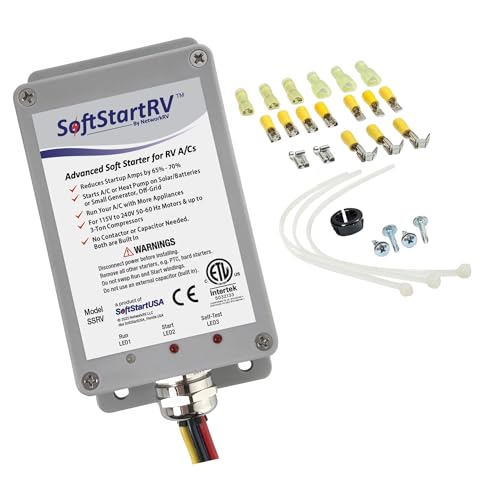
SoftStartRV’s technology enables A/C units to start smoothly on modest generators or solar-equipped systems. The kit is notably compact and waterproof, designed to fit low-profile RV air conditioners. It can coordinate starting loads for multiple appliances—fridge, heater, microwave, and more—while keeping peak startup currents manageable. For anyone using solar or a small to mid-size generator, SoftStartRV helps avoid nuisance voltage drops and reduces compressor noise during startup, contributing to a quieter living space.
Operationally, SoftStartRV supports up to several thousand BTUs with a 30-amp source or a smaller generator. It’s especially valuable when the goal is to draw down less from a solar-battery bank while still achieving reliable AC starts. The balance of efficiency and convenience makes it a strong match for solar RV setups that demand dependable startup under varying conditions.
RV Air Conditioner 12V 10K BTU Rooftop Unit

This 12V, 10,000 BTU rooftop unit targets off-grid RVs with a compact footprint and efficient cooling. The 4,500 BTU heater adds warmth for shoulder seasons, though it is not intended as a primary heat source in extreme cold. The unit is designed to deliver quick cooling within RV interiors, making it a practical choice for solar and generator setups that need reliable, immediate climate control without excessive current draw.
In solar-integrated RVs, ensure your battery bank and charge controller can support peak compressor draws. A robust solar array paired with a capable inverter and proper venting will help this unit maintain comfortable temperatures during the hottest days while staying energy-conscious.
RecPro RV Air Conditioner 13.5K Ducted/Non-Ducted

RecPro’s 13.5K BTU models offer low-amp operation, which suits solar-powered and generator-backed RV systems. Available in ducted and non-ducted configurations, these units are built for durability and travel, featuring UV-resistant housings and aerodynamic profiles. Noise levels are kept relatively low—an important consideration for comfortable RV living. The combination of quiet operation and low energy draw makes RecPro a dependable option for energy-conscious off-grid setups.
For solar users, the low-amp draw translates to less strain on your battery bank, enabling you to run other essential appliances concurrently. When pairing with a solar generator or inverter, consider adding SoftStartRV or a similar startup aid to minimize surge currents during compressor engagement.
TURBRO Inverter 13.5K BTU RV AC
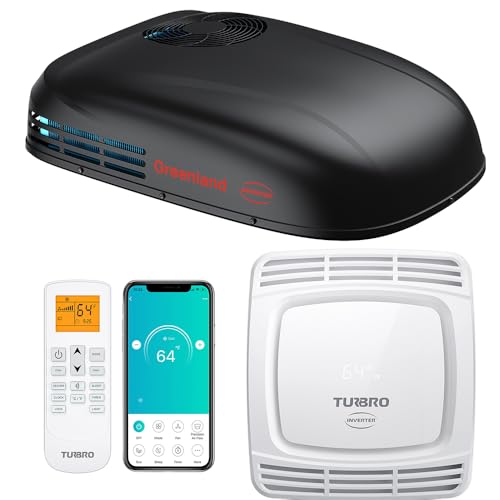
The TURBRO inverter-equipped 13.5K BTU unit emphasizes energy efficiency and flexible climate control. With a built-in inverter compressor, it adjusts speed to match cooling or heating demands, reducing energy consumption and noise. The model supports year-round comfort with cooling, heating, and fan modes, and it includes features such as WiFi control and a remote. In solar-powered RV systems, the inverter approach helps maintain efficiency, particularly when combined with a battery bank and solar array that can handle intermittent loads.
For off-grid usage, ensure your power plan accounts for the inverter’s starting currents and the overall efficiency of the system. A well-sized solar array, storage capacity, and a controller that prioritizes essential loads will optimize performance and comfort.
Buying Guide: Key Purchase Considerations And Comparisons
- Power availability and startup surge: Air conditioners demand a surge when starting. Devices like SoftStartRV can dramatically reduce this surge, enabling operation on smaller generators or solar setups without tripping breakers.
- Battery capacity vs. runtime: For cordless operation, a higher-capacity battery (like a 1000W+ system) increases run time. Consider how many hours you need cooling without grid power and plan around daytime solar recharge.
- Efficiency and BTU alignment: Bigger isn’t always better for RVs. Match BTU to your space, insulation, and climate. Inverters and energy-efficient compressors help keep power use lower while maintaining comfort.
- Compatibility with solar and generator configurations: Look for units with low amp draw, inverter compatibility, and accessories designed for off-grid use. Some units are designed to work well with portable solar generators and small generators alike.
- Portability, noise, and installability: RV owners value quiet operation and flexible mounting. Lighter, quieter units simplify rooftop installations or portable use, enhancing overall comfort on the road.
- Control and monitoring: APP-based monitoring and remote control provide visibility into power usage, enabling smarter decisions about when to run the AC and how to balance solar production with other loads.
- Durability and weather resistance: Outdoor and roof installations require UV-stable materials and robust housings. Units designed for RVs typically balance lightweight construction with ruggedness for travel.
The combination of a capable air conditioner, smart startup assists, and an appropriate solar-genesis power system can deliver reliable climate comfort in an off-grid RV environment. When selecting products, balance cooling needs, energy availability, and the ease of integration with solar charging or portable generators to achieve efficient, uninterrupted comfort on the road.