Across outdoor adventures and emergency preparedness, solar generators offer quiet, renewable power for camping, RV trips, and off-grid living. This guide highlights five top-performing models that align with the “as seen on TV” appeal—combining portability, practical power outputs, and reliable charging options. Read on to compare capacities, charging speeds, and versatile outlets to help you choose a unit that fits your daily equipment, weather conditions, and travel plans.
| Product | Brand | Key Strength | Approx. Power Output |
|---|---|---|---|
| ZeroKor Portable Solar Generator | ZeroKor Store | 60W panel included; multiple outlets | 300W / 280Wh |
| Anker Solar Generator SOLIX C300 | Anker Store | Compact with high charging versatility | 300W / 288Wh |
| Champion 4000-Watt RV Inverter | Champion Power Equipment Store | Lightweight for size; quiet operation | 4000W / 3000W |
| OUPES Mega 1 Solar Generator | OUPES Store | High capacity and expandable | 2000W / 1024Wh |
| Apowking Solar Generator Kit | Apowking Store | Affordable with multiple outputs | 200W peak / 146Wh |
These selections emphasize real-world usability: from compact units for light camping to more robust packs capable of powering essential devices during outages. Each option supports multiple charging methods, including solar panels, AC outlets, and USB ports, enabling flexible setups for campers, tailgaters, and emergency kits.
ZeroKor Portable Solar Generator With 60W Panel

This 300W portable generator packs a 280Wh battery with a foldable 60W solar panel included. It provides 2× 300W AC outlets, a 9V-12.6V DC port, three USB ports (5V/3A max each), and a quick-charge USB port. A built-in SOS flashlight completes the kit for outdoor nights. The design supports charging from wall outlets, the included solar panel, or a carport, making it versatile for off-grid camping and RV use. Note that power-hungry appliances over 300W should be avoided to extend unit life, particularly devices with heat or built-in air compressors.
From a usage perspective, the ZeroKor unit is well-suited for charging phones, tablets, laptops, cameras, and small camping gear. Its MPPT-enabled solar charging helps maximize daylight recharging, and the multiple outlets enable a small campsite to run essential electronics without a generator’s noise.
Anker SOLIX C300 With 60W Panel

Compact and powerful, the Anker SOLIX C300 delivers 300W continuous power with a 600W surge and 288Wh of capacity. It supports fast charging with 140W two-way USB-C ports for rapid recharging of laptops, phones, and tablets. With eight device ports, it includes three AC outlets (300W), a car socket (120W), two USB-C ports (140W and 15W), and a USB-A port (12W). The unit’s travel-friendly design is approximately 15% smaller than similar models, making it ideal for spontaneous trips where space and weight matter.
For those who prioritize versatility and quick recharges, this Anker model offers a robust mix of ports and a user-friendly form factor. Its USB-C power delivery can top up devices quickly, while the AC outlets cover heavier appliances within its 300W limit. It’s a strong choice for weekend getaways and mobile setups that demand rapid recharging and reliable power.
Champion 4000-Watt RV Ready Inverter
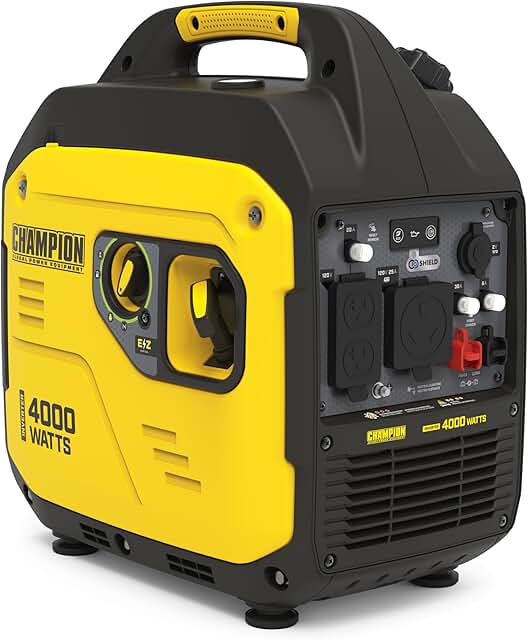
This Champion inverter is designed for heavier power needs, delivering 4000 starting watts and 3000 running watts with a compact, portable footprint under 49 pounds. It operates with a low noise profile at 64 dBA from 23 feet, suitable for camping and tailgating. A CO Shield auto shutoff system enhances safety in enclosed spaces. The optional parallel kit allows linking with a second Champion inverter to double output, which is beneficial for larger gatherings or higher-demand campsites.
Consider this model when you need a reliable power backbone for extended trips, multiple devices, or backup home essentials during outages. While heavier than smaller units, its higher wattage and safety features contribute to a dependable power source for off-grid living and larger setups.
OUPES Mega 1 Solar Generator Kit

The OUPES Mega 1 combines a 2000W AC output (4500W surge) with a 1024Wh LiFePO4 battery and a 100W solar panel. It offers APP control and expands up to 5120Wh with additional batteries, making it a scalable option for longer off-grid stays. It features an impressive fast-charging capability, with a claimed 36-minute recharge from 0 to 80% via AC, enabling quicker returns to the field after outages or long travel days.
Targeted toward campers and home backup users who require both substantial base capacity and future expansion, this generator provides a balance of heavy-duty performance and growth potential. The LiFePO4 chemistry also suggests longer cycle life and improved durability in varied conditions, which is valuable for frequent outdoor use.
Apowking 200W Peak Portable Solar Generator

Apowking’s 200W peak generator pairs with a 40W solar panel kit to deliver 146Wh of capacity across seven outputs. It includes two 110V AC outlets, USB-C fast charging, and a DC 12V output, making it adaptable for charging laptops, cameras, drones, and small household devices. The kit’s compact weight and multi-output design support lightweight camping, disaster preparedness kits, and mobile workstations during travels and emergencies.
When evaluating this option, consider how often your power needs involve lower-wattage devices and shorter durations away from shore power. The 146Wh capacity is suitable for essential charging rather than extended use, but its panel-boosted solar charging can extend runtime in favorable daylight.
Buying Guide: Key Purchase Considerations
To select the right solar generator, consider the following factors:
- Power needs: Match the continuous watts to your typical load. For laptops and phones, smaller models are sufficient; for power tools or mini-fridges, prioritize higher wattage and surge capacity.
- Battery chemistry and longevity: LiFePO4 batteries generally offer longer cycle life and better thermal stability than some other chemistries, enhancing reliability in varied climates.
- Portability vs. capacity: Heavier units may offer more watts and battery capacity, but weigh implications for transport and setup at campsites or RV parks.
- Charging options: Look for MPPT charging efficiency, multiple input methods (AC, solar, car), and fast charging capabilities to minimize downtime.
- Outlets and ports: A broad mix of AC outlets, USB-C/USB-A ports, and DC outputs improves compatibility with devices and reduces the need for adapters.
- Expandability: Some models allow adding extra batteries for longer off-grid periods, a key feature for extended trips or home backup.
- Durability and safety: Consider weather resistance, cooling design, and features like auto shutoff for safe use around kids or pets.
- Warranty and support: A solid warranty and accessible customer support can be valuable for maintenance and troubleshooting in remote areas.
These considerations help balance performance, portability, and price. When choosing, assess your typical outdoor scenarios—camping, RV travel, or emergency kits—and pick a model that aligns with both your routine and potential peak usage.