Answering the search for a small planer for wood, this guide highlights five compact, user-friendly options ideal for detailed work, trimming edges, and crafting projects. These tools are best for hobbyists, DIY enthusiasts, and professionals seeking portable planers for precise surface shaping. The table below compares each pick on core points to help you decide quickly.
| Product | Best For | Key Benefit |
|---|---|---|
| JORGENSEN No.101 Mini Wood Planer | Detail trimming and crafts | Adjustable cutting depth in a ductile iron body |
| JORGENSEN Mini Hand Wood Plane, 65MN | Portable surform and rasp tasks | Dense blade for clog-free planing |
| JORGENSEN No.102 Wood Planer | Fine trimming and craft work | Low-angle design with adjustable depth |
| JORGENSEN NO.60-1/2 6-1/4″ Wood Planer | Detail work and depth control | Professional blade and adjustable mouth |
| GreatNeck LSO 3-1/2 Inch Block Plane | One-handed use and small projects | Sturdy steel frame with adjustable blade |
The following sections present each product with a concise profile, what type of buyer it suits, and a practical caution to consider before purchasing.
JORGENSEN No.101 Mini Wood Planer

Best for: Detail trimming and craft work. The No.101 offers a ductile iron body and adjustable cutting depth for precise control. Use this for small-edged work, molding, and trimming tasks where accuracy matters. Caution: The compact design may feel light; apply steady pressure to avoid chatter on hard woods.
JORGENSEN Mini Hand Wood Plane, 65MN

Best for: Portable surform and surface shaping on small projects. The 65MN blade is sharp and dense, designed to minimize clogging and ease detailed shaping. This tool is suitable for DIYers and hobbyists who need a compact rasp-like solution. Caution: Replacement blades are not included, so plan for maintenance kits if you anticipate frequent blade changes.
JORGENSEN No.102 Wood Planer

Best for: Fine trimming and craft work. The No.102 offers a low-angle design with an adjustable depth, facilitating controlled passes on veneers or small blocks. Caution: The low-angle setup may require careful alignment to avoid tear-out on dense woods.
JORGENSEN NO.60-1/2 6-1/4 Inch Wood Planer

Best for: Detail work with adjustable mouth and depth. The blade is a professional level O1 tool steel, designed for efficiency and long life. The adjustable mouth and depth allow consistent shaving across varied grain. Caution: The tool’s weight and metal construction mean it may require more storage space and care during transport.
GreatNeck LSO 3-1/2 Inch Block Plane
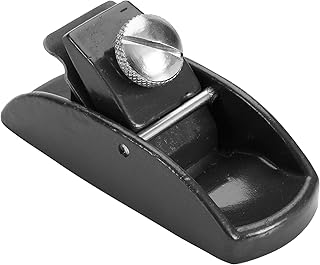
Best for: One-handed use in small projects and hobby tasks. The tool combines a die-cast aluminum base with a hardened blade, enabling smooth, precise cuts. Caution: It is smaller than typical full-size planers, so plan for more passes on thicker stock to reach desired depth.
Buying Guide: Practical Considerations For Small Wood Planers
- What work will you primarily do? Choose a tool with a blade geometry and mouth adjustment suited to your typical tasks—fine trimming versus rough stock removal.
- How important is portability? If you travel between sites or work on small benches, a lighter, compact model may be preferable.
- What materials will you plane? For hardwoods, prioritize durable blades and a robust body; for softwoods, edge guidance and control matter more.
- Are blades replaceable? If you anticipate frequent sharpening or blade changes, ensure the model supports easy blade replacement and availability of spares.
- What is your preferred grip and control? Ergonomics influence accuracy, especially for longer sessions or precision tasks.
- What maintenance is required? Some models require more maintenance for alignment and blade tension; consider your willingness to perform routine upkeep.
Frequently Asked Questions
- What is the main difference between a block plane and a mini planer? A block plane is typically designed for fine cutting and edge trimming, while a mini planer makes deeper stock removal and surface leveling possible on small parts.
- Are these small planers suitable for beginners? Yes, most models shown are designed with straightforward depth adjustment and grip for novices, though some require careful handling on hard woods.
- Should I choose a low-angle or standard-angle plane? Low-angle planes provide better control for end grain and delicate work; standard angles suit general trimming tasks.
- Do these come with replacement blades? Some models include blades or specify replaceable blades; check product details for availability and compatibility.
- Is ductile iron a good material for planers? Ductile iron offers durability and rigidity, reducing deflection when cutting; it’s common in higher-end small planers.
- Can I use these for metalworking edges? No, these tools are designed for wood; using them on metal can damage the blade and body.
For buyers seeking a compact, capable tool for precise wood shaping, the five selections above cover a range of tasks from detailed trimming to portable rasp-like work. Each option provides clear advantages depending on project scope and user experience.