Small hydro power generators offer compact, renewable energy solutions for off-grid homes, boats, or emergency backup setups. This guide highlights five practical micro and portable hydro units, covering different voltages, durability, and use cases. Readers will find lightweight, corrosion-resistant designs, long generator lifespans, and models suitable for charging 12V and 24V systems. Explore options that convert flowing water into steady electrical output, perfect for small streams, fountains, or rainwater flow scenarios. Each entry includes key features to help compare reliability, compatibility, and installation needs.
Summary Table of Selected Products
| Product | Voltage | Approx. Lifespan | Output Type | Family |
|---|---|---|---|---|
| Beduan Micro Water Turbine Generator G1/2″ | 12V | ≥3000h | DC | Hydroelectric Micro |
| Hydroelectric Micro Generator 1/2 Inch | 12V | ≥3000h | DC | Hydroelectric Micro |
| A-iPower 4600W Portable Inverter Generator | 120V AC | — | AC | Gas-Powered Inverter |
| Beduan Micro Water Turbine Generator 24V | 24V | ≥3000h | AC/DC option noted | Hydroelectric Micro |
| Watris Veiyi Micro HydroTurbine | 12V | ≥3000h | DC | Hydroelectric Micro |
Beduan Micro Water Turbine Generator (12V)

The Beduan unit operates as a micro hydro generator designed to convert water flow into a 12V DC output. It lists a maximum outlet pressure of 1.2 MPa and a measured mechanical noise of ≤55 dB, suitable for quiet installations near watercourses. Generator life is rated at ≥3000 hours, with practical use cases including powering a 12V radio, charging devices, or supplying a 10W LED lighting system. The maximum charging current is 220 mA, making it appropriate for low-power, continuous operation in remote settings.
Hydroelectric Micro Generator 1/2 Inch Portable

This micro hydro generator emphasizes potential energy conversion from flowing water into electrical energy. It features high UV and water resistance for extended life and notes a generator lifespan of more than 3000 hours. The design highlights corrosion resistance and structural strength, along with a cleanable exterior for field maintenance, making it suitable for lightweight, mobile hydro setups in off-grid environments.
A-iPower 4600W RV-Ready Portable Inverter Generator
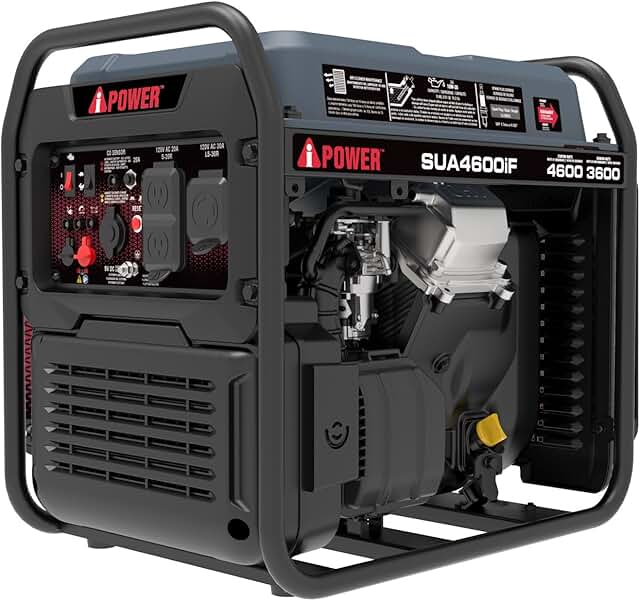
This model is a gas-powered inverter generator designed for RVs and home backup. It delivers 4600 starting watts and 3600 running watts, with AC 120V/60Hz output. The unit is marketed as lightweight for an open-frame design at around 56 pounds, enabling easier transport for camping or off-grid scenarios. Inverter technology provides a clean power output with 3% Total Harmonic Distortion (THD), making it more suitable for sensitive electronics such as laptops and TVs than simple generator outputs.
Beduan Micro Water Turbine Generator 24V

This 24V micro hydro generator mirrors the 12V Beduan design with a higher output voltage. The unit lists an outlet pressure limit of 1.2 MPa, noise level ≤55 dB, and a generator life of ≥3000 hours. It is suitable for providing 24V radio power, LED lighting, or low-current charging tasks, fulfilling a niche for 24V micro-grid configurations or auxiliary power systems in remote locations.
Watris Veiyi Micro HydroTurbine 12V

The Watris Veiyi micro hydro turbine converts water flow into DC power for 12V systems, delivering up to 10W of charging capability with a maximum current around 220 mA. The design specifies a 12V output, a maximum outlet pressure of 1.2 MPa, and a refined noise level of ≤55 dB. Generator mass is about 90 g, with a stated generator life of ≥3000 hours and stable output voltage, making it a compact, low-impact option for small streams or indoor water features.
Buying Guide
- Voltage compatibility: Choose units aligned with your system voltage (12V or 24V for micro hydros; 120V AC for higher-capacity inverter generators). Consider hybrid setups if you need both DC charging and AC output.
- Flow and head requirements: Micro hydro devices rely on water flow, pressure, and head. Ensure your site provides sufficient flow to meet the anticipated current (e.g., 220 mA charging at 12V).
- Durability and materials: Look for corrosion-resistant housings, UV-stable surfaces, and robust seals for outdoor or water-adjacent installations. Lifespan figures (≥3000 hours) indicate long-term viability.
- Power stability: Inverter-based or regulated outputs help protect sensitive electronics. Note the listed THD and voltage stability where available.
- Noise and footprint: Noise levels around 55 dB are typical for compact micro hydro units. Consider enclosure options or mounting to minimize disruption in residential areas.
- Maintenance: Favor designs with simple access for cleaning and inspection. A larger coverage area or modular components can simplify field servicing.
- Application scope: For emergency backup power, prioritize reliability and battery compatibility. For remote off-grid living, assess charging capacity versus device load to avoid underpowered setups.
- Installation considerations: Verify mounting options, inlet/outlet fittings, and compatibility with existing plumbing or water flow configurations. Some models specify thread sizes (G1/2″), which informs adapter needs.
- Safety features: CO sensing (for fuel-powered units), proper ventilation, and protection against backflow or overpressure are important factors to evaluate in any generator system.
- Cost-to-benefit: Micro hydro units are best for continuous low-power needs rather than high-power surges. Compare total energy needs against continuous output to determine value.
Multiple perspectives matter when selecting a small hydro power generator. For remote cabins, reliability and low maintenance often trump peak output. For boats or mobile setups, lightweight, compact designs with easy attachment methods can be decisive. In urban environments, compact micro hydro units near water features or rain-driven flows may offer novel, quiet charging for auxiliary devices. By balancing voltage, flow requirements, and expected load, readers can identify models that best align with their off-grid energy goals.