If you’re outfitting an RV with a reliable fuel supply for extended trips, you’ll want a safe, compatible fuel tank designed for generators and boats. This article highlights five top options that balance capacity, durability, and compatibility, helping you pick the right tank for your RV generator setup. Each pick is suited to different needs—from high-capacity needs and compact storage to compatibility with popular generator models. The buyer’s guide below also covers dimensions, venting, and gauge features to match your use case.
| Product | Brand | Capacity | Best For |
|---|---|---|---|
| Scepter 12 Gallon Portable Boat Gas Can | Scepter | 12 gallons | Long run time on boats or RVs; built-in gauge for quick checks |
| VEVOR Boat Fuel Tank, 3.17-Gallon / 12-L | VEVOR | 3.17 gallons | Compact, easy transport; fits under seats |
| Attwood 6 Gallon Portable Fuel Tank | Attwood | 6 gallons | EPA/CARB compliant; built-in vacuum valve for venting |
| JJing Universal 5 Gallon Generator Tank | JJing | 5 gallons | Vented option available; gauge and mounting compatibility |
| Westinghouse 4-Gallon Tank on 4650W Generator | Westinghouse | 4 gallons | RV-ready generator setups with gauge and multiple outlets |
Scepter 12 Gallon Portable Boat Gas Can

The Scepter 12-gallon fuel tank is designed for extended running time with a tall, compact profile that fits easily in RV storage. Best for users needing substantial capacity without sacrificing space. The 2-way vented cap allows air flow during refueling and automatically releases pressure above 5 PSI to reduce vapor buildup, making refueling safer in RV environments. It accepts standard 1/4 NPT marine tank fittings and includes a built-in fuel gauge so you can quickly monitor remaining fuel.
Who it’s best for: RV owners with a preference for larger fuel capacity and on-board fuel checks. Why selected: it combines high capacity with a built-in gauge and a vented cap, which helps prevent pressure buildup during day-to-day RV use. Caution: ensure proper venting and environmental compliance when transporting fuel in shared space.
VEVOR Boat Fuel Tank, 12-L (3.17-Gallon)

This compact 3.17-gallon tank is built from high-density polyethylene and includes a 9.8 ft hose that is compatible with Yamaha connectors. It’s ideal for RV setups where space is at a premium and you need a portable tank with easy transport. The design maintains its shape over time, though it’s wise to avoid prolonged direct sun exposure to minimize aging and expansion risk.
Best for: RV owners needing a small, portable fuel source that can be stashed under seats or in tight spots. Why selected: lightweight, with a long hose for flexible placement. Limitation: smaller capacity means more frequent refueling on longer trips.
Attwood 8806LP2 EPA Certified 6-Gallon Tank

Attwood’s 6-gallon portable tank is EPA and CARB compliant, with a cap featuring a built-in vacuum valve to avoid manual venting. This is a robust choice for RVers who want a straightforward fueling solution with regulatory compliance. The built-in venting mechanism reduces the complexity of refueling on the road, especially in tight campsites.
Who it’s for: RV users prioritizing compliance and ease of use. Why selected: venting is automatic, simplifying operation in varied environments. Caution: no vent valve is a feature in some other models; ensure this one’s vent system meets your preferences if you plan frequent topping-off.
JJing Universal 5 Gallon Generator Tank

The JJing 5-gallon generator tank is designed for compatibility with several popular generator brands. It includes a gauge and rubber grommets, and notes that this tank is vented or non-vented depending on the model. It’s a solid choice for RVers who need a mid-sized tank with gauge visibility. The manufacturer also provides explicit size guidance to reduce incorrect purchases.
Best for: RV owners with compatible generator models seeking a gauge-enabled option. Why selected: clear mounting and gauge features help track fuel levels. Limitation: some models do not include a vent valve; check your venting needs before purchase.
E-Gaultra EC2500 Fuel Tank

The E-Gaultra EC2500 fuel tank is compatible with a range of popular generator brands, including Honda, Predator, Champion, Duromax, and others. It positions as a versatile option for RVers who own multiple generator models or plan to swap across brands. The kit includes a 4-gallon capacity and a gauge-equipped tank for quick fuel checks.
Who it’s for: buyers seeking broad compatibility across generator brands. Why selected: wide model coverage and gauge integration aid in straightforward fuel management. Caution: verify exact model compatibility before ordering to avoid misfit with your generator’s intake and mounting.
Westinghouse 4650 Peak Watt Dual Fuel Tank
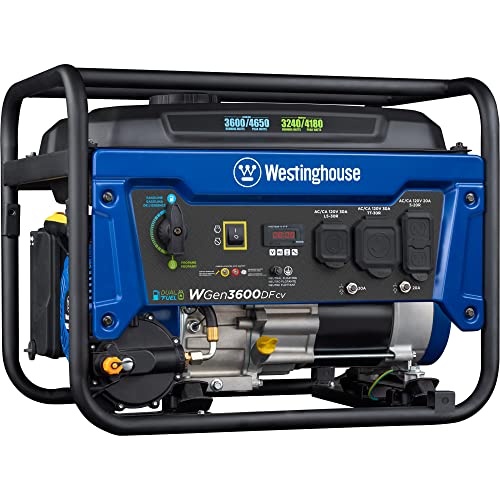
This option accompanies the Westinghouse 4650W dual-fuel generator, offering a 4-gallon tank with a built-in fuel gauge. It’s a practical match for RV-ready setups that require versatility between gasoline and propane, plus multiple outlets on the generator itself. The fuel gauge helps monitor economy during extended trips.
Best for: RV travelers who use dual-fuel capability and want a coordinated tank/generator setup. Why selected: gauge visibility and RV-friendly power options. Caution: check compatibility with your exact generator model and fuel type, especially if you rely on propane as your primary fuel source.
Buying Guide: Key Considerations For RV Generator Fuel Tanks
- Fuel capacity vs. space: Larger tanks provide longer run times but require more storage space. Choose a size that balances your RV storage constraints with your planned trips.
- Vent valve and venting: Some tanks have vented caps to relieve pressure and prevent vapor buildup. Consider whether automatic venting is a priority for you, especially in hot climates.
- Fuel gauge integration: A built-in gauge helps you monitor fuel without moving the tank. This is particularly useful for RV travel where fuel planning matters.
- Material durability: High-density polyethylene and other rugged plastics resist corrosion and impact, which is important for travel on uneven roads and in marine environments.
- Compatibility: Verify mounting dimensions and hose connections with your generator model to ensure a proper fit and secure installation.
- Portability and storage: For RV use, lightweight options with ergonomic handles or compact profiles simplify moving and storing tanks in tight compartments.
- Safety and regulations: Ensure EPA and CARB compliance if you’re traveling through regulated regions, and follow all local fuel handling guidelines during transport and refueling.
FAQ
- What capacity should I choose for RV generator fuel tanks?
– Choose capacity based on planned trip length, generator run time, and storage space. Higher capacities reduce refueling frequency but require more space. - Do all generator tanks require vent valves?
– No. Some models include vented caps, while others do not. If you plan frequent refueling or operating in hot conditions, a vented design can help prevent vapor buildup. - Is a fuel gauge important for RV use?
– Yes. A gauge simplifies fuel management by showing current levels at a glance, reducing the risk of running out mid-trip. - Can I use marine fuel tanks for RV generators?
– Generally yes, but confirm compatibility with your generator’s inlet, mounting points, and fuel type to avoid fit issues or leaks. - What should I check before buying a fuel tank?
– Check dimensions, hose diameter, mounting holes, gauge presence, venting, and regulatory compliance to ensure it fits your generator and RV setup. - Are these tanks compatible with ethanol-blended fuels?
– Some models are designed for ethanol blends; verify the product features to ensure compatibility with your preferred fuel type.