Looking for a reliable RV power station to run essentials on the road or off-grid? This guide highlights five top choices that balance capacity, recharge speed, and expandability for RV enthusiasts. Each option targets different needs—from compact trips to full-time RV living. Read on to compare who each product is best for, plus practical buying tips to ensure you pick the right fit for your rig.
| Product | Capacity | Best For |
|---|---|---|
| Jackery Explorer 1000 v2 | 1070 Wh | Mid-size RV trips, occasional heavy-load use |
| BLUETTI AC200L | 2048 Wh (expandable to 8192 Wh) | Extended trips, multiple devices, expandable power |
| EF ECOFLOW Delta Pro | 3600 Wh (expandable to 25 kWh with extras) | Heavy-load home backup and RV use with high flexibility |
| Anker SOLIX C2000 Gen 2 | ~2048 Wh | Compact, rapid recharge, multi-device support |
| AFERIY 3840Wh | 3840 Wh | Home backup, RV, and larger solar setups |
Jackery Explorer 1000 v2 Portable Power Station

The Jackery Explorer 1000 v2 offers 1,070Wh and a 1,500W continuous AC output with a 3,000W surge. Its light 23.8 lb design and 1-hour fast-charging option make it a strong pick for mid-size RV setups, running a fridge, climate control, or small appliances during weekend getaways. Best for RVers who need portable, reliable power without heavy bulk. A long 10-year lifespan and LiFePO4 chemistry support extended cycle life, reducing replacement needs.
Who it’s best for: casual-to-mid-range RV travelers who want a capable, portable generator that’s easy to transport. Caution: not ideal for running multiple high-watt devices simultaneously for long periods due to its 1070 Wh capacity.
BLUETTI AC200L Portable Power Station

The AC200L uses a 2,048Wh LiFePO4 battery with expansion options to reach up to 8,192Wh. It supports 2,400W continuous output and diverse expansion packs, making it a flexible choice for RVs that plan longer trips or power more gear. Fast recharge up to 45 minutes from 0-80% and solar input up to 1,200W offer practical off-grid use. Best for: RV owners who anticipate expanding power needs or combining solar with grid charging. Caution: expansion purchases can significantly raise total cost.
EF ECOFLOW Delta Pro 3600Wh

The Delta Pro delivers 3,600W AC output with 3,600Wh capacity and rapid 2.7-hour full charge. Expandability to 25kWh with extra batteries and multiple output methods (USB-C, USB-A, DC, car, and more) makes it highly adaptable for RVs seeking substantial simultaneous device support. Best for: RVers who want a home-like power experience on wheels and plan to run high-wattage appliances. Caution: higher upfront investment due to expansion options and accessories.
Anker SOLIX C2000 Gen 2 Portable Power Station
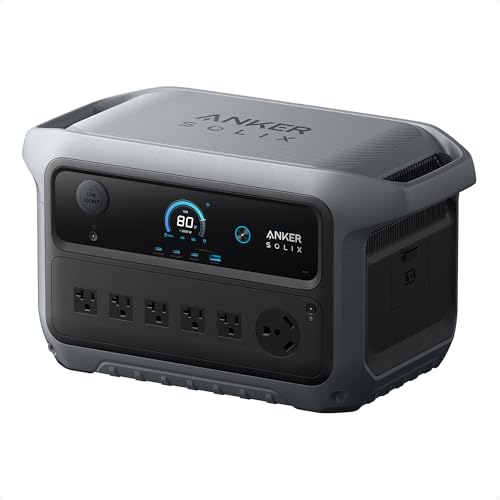
The Anker SOLIX C2000 Gen 2 provides 2,048Wh LiFePO4 capacity with fast recharge to full in about 58 minutes using AC or solar. It supports multiple devices with RV-friendly ports and a lean standby draw. Best for: RVers who need a quick recharge and the ability to power several devices at once. Caution: shorter lifespan under very high-load use if frequently used for peak loads.
AFERIY 3840Wh Portable Power Station

The AFERIY unit delivers 3,840Wh LiFePO4 capacity with up to 3,600W continuous output and expandable up to 11.5kWh. It includes UPS-style seamless backup (<10ms) for critical devices, making it a solid choice for RVs that require dependable backups during outages or storms. Best for: RVers seeking substantial, reliable power with quick transfer to battery backup. Limitation: expansion and battery pack options add to cost and setup complexity.
Buying Guide
Key considerations for choosing an RV power station:
- Capacity vs. load: Match Wh capacity to your typical daily watt-hour usage. Include high-watt items like air conditioners or electric heaters in your calculation.
- Output flexibility: Look for multiple AC outlets, USB-C/USB-A ports, and DC/car lighter ports to run diverse devices.
- Recharge speed: Fast-charge features and solar input ease off-grid living. Consider how long you’re willing to wait for a full recharge.
- Expandability: If you plan long trips, expandable battery options can scale with your needs.
- Weight and portability: Heavier units offer more capacity but are harder to move around your RV. Balance mobility with power needs.
- Battery chemistry: LiFePO4 offers longer cycle life and better thermal stability—critical for extended RV use and outdoor scenarios.
- Safety features: Look for BMS protections, overcharge/over-discharge safeguards, and thermal controls for reliable operation in varied climates.
RV-Focused Purchasing Questions
- Do you need pure sine wave output for sensitive devices? Many models provide this, but verify if your devices require it.
- Will you run A/C or heaters? Ensure the continuous wattage and surge capacity meet peak demands without overloading the unit.
- Is solar charging important? If so, check solar input wattage and expansion options to maximize off-grid days.
- Will you store the unit indoors or in cramped spaces? Consider a compact, light model for easier placement.
Frequently Asked Questions
- What is the practical lifespan of LiFePO4 power stations for RV use? Answer: LiFePO4 cells typically offer long cycle life with stable capacity, often exceeding many years of regular use.
- Can these power stations be used while driving an RV? Answer: Some models support safe operation while connected to essential loads; confirm with the product’s safe-operating guidelines.
- Is a separate solar panel required for off-grid charging? Answer: Not always, but solar panels can significantly increase independent running days without access to shore power.
- Which model balances price and performance for mixed RV needs? Answer: All five options offer strong capability; choose based on daily loads, travel frequency, and whether expandability is a priority.