The right portable generator shed enclosure protects your power source from weather, reduces noise, and simplifies setup. This guide highlights five top options ideal for outdoor use, catering to different needs like quiet operation, weather resistance, and easy mobility. Choose based on generator size, climate, and how you intend to use the unit—running, storage, or both.
| Product | Best For | Size Fit | Key Benefit |
|---|---|---|---|
| LUNTHINK Generator Box | All‑weather protection | Up to ~15,000W | Heavy‑duty steel with sound insulation |
| HUDSON Generator Box | Quiet operation | Max 39.4 x 32 x 31.7 in | Integrated cooling and noise dampening |
| GENSHED GCE | Running & storage in one | Universal outdoor fit | Dual‑mode operation with fabric isolation |
| peastorm Lockable Box | Theft protection | 30 x 22 x 24 in | Hard‑steel build with lockable design |
| Aoxun Storage Cabinet | Durable resin enclosure | 35 cu ft capacity | Weatherproof, stable base |
LUNTHINK Generator Box

The LUNTHINK enclosure uses high‑temperature galvanized steel with protective two‑surface baking paint to resist rust. Interior space is sized for most generators up to 15,000 watts, with straightforward installation. A double‑layer air inlet/outlet and a top filled with sound‑absorbing material help reduce noise, while drainage holes prevent water accumulation. It’s designed for extreme weather and outdoor durability, making it suitable for homeowners who want robust protection and decent sound dampening. Best for: users needing weather resistance and noise reduction in a single, heavy‑duty box.
Caution: The box is substantial in size and weight; ensure you have enough clearance for installation and maintenance access. It relies on proper ventilation planning to maintain generator performance in high heat.
HUDSON Generator Box

The HUDSON enclosure emphasizes cooling and quiet operation. It features louvered vents combined with an integrated high‑speed cooling fan to maintain safe temperatures during long runs. Phenolic foam lining on front and side panels helps cut operating noise. Durable SD aluminum provides corrosion resistance and weather resilience, while the design helps protect against rain, snow, and wind. Best for: environments demanding quieter operation and reliable airflow. Caution: Aluminum construction, while strong, may require periodic inspection in extreme conditions to ensure seal integrity.
GENSHED GCE Generator Shed

GENSHED GCE combines running and storage in one enclosure. It allows switching between running and storage by flipping side covers, and it includes a steel frame with fabric covers that avoid direct contact with a hot generator. Ground clearance and ease of movement are highlighted, making it practical for frequent repositioning. Best for: users who want a flexible setup that transitions from active use to storage without removing the shed. Limitation: Fabric components adjacent to the generator may require careful maintenance to prevent wear over time.
peastorm Lockable Generator Box
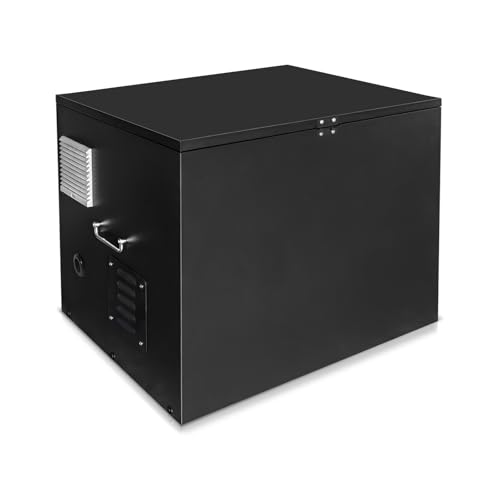
This lockable enclosure from peastorm combines heavy‑gauge steel with a powder‑coated finish. It features a hasp suitable for a padlock and a built‑in 12V cooling fan with exhaust vents to help prevent overheating while maintaining noise reduction. Best for: users who prioritize theft protection and secure outdoor storage. Caution: Lock security depends on padlock quality; ensure you select a reliable lock for your location.
GENSHED GCM Generator Shed
GENSHED GCM is designed as a compact running and storage enclosure, similar to the GCE but marketed as a standalone unit with a steel frame. It emphasizes the same dual‑mode capability and protective isolation of fabric covers. Best for: customers who want a compact, steel‑frame option with quick transition between running and storage. Caution: As with other fabric‑over‑frame setups, periodic inspection of fabric seams is advised to prevent wear in windy conditions.
Buying Guide: What to Consider When Choosing a Portable Generator Shed Enclosure
- Purpose: Do you primarily need running protection, storage protection, or both? Some models are optimized for dual use, while others focus on noise reduction or theft prevention.
- Size and fit: Check generator dimensions and watt rating to ensure the enclosure accommodates your unit with airflow clearance for cooling.
- Ventilation and cooling: Look for built‑in fans, vents, and sound insulation. Adequate airflow prevents overheating during extended operation.
- Weather resistance: Consider materials (galvanized steel, aluminum, or reinforced resin) and coatings that resist rust, corrosion, and UV exposure in your climate.
- Noise reduction: Evaluate wall materials and lining thickness, especially if you live close to neighbors or have strict noise rules.
- Security features: If theft is a concern, select enclosures with locking mechanisms or reinforced hasps. Verify lock options compatible with your security needs.
- Mobility and installation: Some models offer easy movement or foldable components. Ensure you have access to anchoring points and sufficient clearance for maintenance.
- Maintenance: Consider how easy it is to clean, inspect, and replace components such as vents, fans, or fabric coverings.
Frequently Asked Questions
- What is a portable generator shed enclosure best for?
It protects a portable generator from weather, reduces noise, and can provide security depending on design. - Can these enclosures fit any generator?
Most are designed to fit broad ranges, but always verify inner dimensions against your generator’s measurements. - Are aluminum enclosures better than steel?
Aluminum offers corrosion resistance and lighter weight, but steel is generally stronger and more durable for heavy outdoor use. - Is ventilation sufficient in these enclosures?
Look for models with vents, air inlets/outlets, and optional cooling fans to maintain safe temperatures during operation. - Should I choose a dual‑mode enclosure or a dedicated running box?
If you need flexibility—running and storage in one location—a dual‑mode design is advantageous; otherwise, a focused running or storage unit may suffice. - What security features matter most?
Lockable doors, reinforced frames, and tamper‑resistant latches help deter theft in exposed outdoor areas.