Answering the question of reliable off‑grid power, these portable generators and power stations are designed for camping, RV trips, and outdoor adventures. They offer clean power, easy recharging, and multiple outlets to run lights, phones, laptops, and small appliances. This guide highlights five top options and explains who each is best for, so you can choose the right one for your camping style—whether you’re a minimalist camper, a family traveler, or a weekend outdoor chef. For quick comparison, see the summary table below.
| Product | Best For | Key Benefit |
|---|---|---|
| MARBERO Portable Power Station 88Wh | Lightweight hikers and car campers | Slim design with multiple outputs |
| HOWEASY Portable Power Station 88Wh | Casual campers and emergency backups | Three recharge methods, compact handle |
| Jackery Explorer 300 | Outdoor explorers and longer trips | LiFePO4 chemistry with long life |
| ZeroKor 300W Portable Generator | All‑in‑one camping tech | 60W solar panel included and multiple ports |
| Jackery Explorer 1000 V2 | Family trips and off‑grid living | High capacity with fast charging |
MARBERO 88Wh Camping Power Station
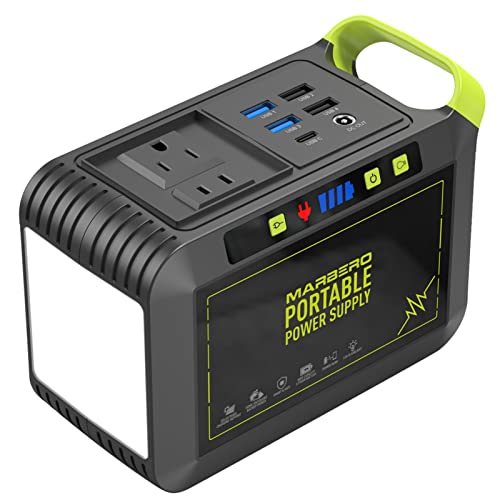
The MARBERO 88Wh unit is best for ultralight campers who value portability and quick access to basic electronics. It includes eight output ports and a built‑in BMS, allowing multiple devices to run simultaneously while maintaining safe operation. It supports fast charging and can be charged via MARBERO’s 30W or 60W solar panels, making it suitable for days off the grid without sacrificing speed when plugged into the wall or a solar setup. This is ideal for backpackers, scouts, or solo travelers who need a small, dependable power source for phones, cameras, and small fans.
Who it’s best for: light travel campers, solo explorers, and anyone needing a compact power bank with AC outlets. Why selected: its compact footprint and broad port selection cover essential needs in a tiny, rugged case. Limitation: higher‑watt appliances may drain the battery quickly due to the modest 88Wh capacity.
HOWEASY 88Wh Portable Power Station

The HOWEASY model emphasizes versatility and portability, with a balanced mix of AC, USB, and DC outputs and a clear LED display. It supports three recharging methods: AC outlet, solar panel (panel not included), and car charger, making it a practical option for campers who expect variable charging opportunities. Weighing about 2.3 pounds, it’s easy to carry on short hikes or campground setups. Best for campers who want a compact unit that can also serve as an emergency backup for essential devices.
Who it’s best for: casual campers and weekend travelers who want straightforward charging options and a lightweight pack. Why selected: responsive charging modes and a compact form factor. Limitation: solar panel compatibility is optional, so outdoor sun charging depends on having a compatible panel.
Jackery Explorer 300 Portable Power Station

The Jackery Explorer 300 is well suited for outdoor explorers who need a robust yet portable energy partner. With a 292Wh LiFePO4 battery, it delivers longer lifecycle and reliable performance across 6 device outputs, including USB‑C PD, USB‑A, AC, and a car port. Its light weight and integrated handle support longer hikes or nicer trail setups. It’s a strong choice for families and travelers who want a durable power source with a longer lifespan and resilience in cold or wet environments.
Who it’s best for: hikers and mixed‑use campers who want a sustainable battery with many connection options. Why selected: long cycle life and versatile charging options. Limitation: mid‑range capacity means longer “heavy” appliances may require planning to avoid rapid depletion.
ZeroKor 300W Portable Generator With Solar Panel

The ZeroKor unit bundles a foldable 60W solar panel with a 300W portable generator, offering a complete off‑grid charging approach. It includes multiple outlets and a dedicated flashlight with SOS modes, making it practical for dusk to night camping scenarios. Best for campers who want an all‑in‑one kit that can recharge from the sun or a wall outlet and stay ready for emergencies in remote locations. Caution: the total running wattage should stay under 300W to avoid tripping or overheating.
Who it’s best for: travelers who value an integrated solar option and a broad outlet mix. Why selected: convenient solar panel inclusion and multiport charging. Limitation: high‑watt devices near or above 300W are not recommended with this system.
Jackery Explorer 1000 V2 Portable Power Station

The Jackery Explorer 1000 V2 targets campers who need substantial capacity and reliable performance for longer trips or larger devices. It delivers 1,070Wh with a robust 1,500W continuous output and a fast 1‑hour charge option via dedicated charging features. Its LiFePO4 chemistry supports extended lifespans and thousands of cycles, making it a strong long‑term energy partner for families or serious off‑grid travelers. Best for: multi‑day camping, RV adventures, and backup power for essential appliances.
Who it’s best for: families and frequent campers wanting high capacity and longevity. Why selected: high output, long life, and practical charging speed. Limitation: heavier than smaller units, which can affect portability for single hikers.
Buying Guide: How To Choose The Right Portable Camping Generator
- Power needs: List essential devices and total wattage. Choose a unit with a continuous watt rating above your sum and a surge rating that covers peaks like ACs or power tools.
- Battery chemistry: LiFePO4 options offer longer life and safer chemistry for repeated charging. They are ideal for frequent use and longer lifespans.
- Portability: Consider weight and handle design. For solo trips, light 88–300Wh units may be enough; for family use, higher capacity like 1000Wh models may be preferable.
- Recharging options: Wall charging, car charging, and solar compatibility add flexibility. If you plan to camp in sunny areas, look for modules with solar input and included panels.
- Outlets and compatibility: Ensure the unit provides the mix of AC, USB, USB‑C, and DC ports you need. Check whether your devices require a pure sine wave output for sensitive electronics.
- Runtime and efficiency: Consider fuel or battery efficiency and estimated runtimes at 25% or 50% load to plan longer stays off-grid.
- Durability and safety: A integrated BMS and protective casing improve safety during travel and use in rugged outdoor settings.
Frequently Asked Questions
- What is the best size for camping power needs? A portable unit around 300–1000Wh is versatile for most campers, balancing capacity and portability. Higher capacity is better for families or longer trips.
- Can these power stations run a refrigerator? Yes, many units with 600W+ peak outputs can handle small to mid‑size travel fridges, but verify the running wattage of your model.
- Do solar panels come with these devices? Some models include solar panels or offer solar charging as an option. Check the product details for panel compatibility and included accessories.
- Are LiFePO4 batteries safer than others? LiFePO4 chemistry generally provides longer life, better durability, and stable performance over many cycles, which is advantageous for frequent use outdoors.
- Is pure sine wave output important? Yes, to protect sensitive electronics like laptops and cameras, select units with pure sine wave inverters and low THD.
- How long do these power stations last on a single charge? Runtime depends on the load; lighter loads extend battery life, while high‑watt appliances reduce runtime quickly. Always plan with the device’s watt rating in mind.