PM generator wind turbines combine permanent magnet machines with intelligent controllers to convert wind into reliable electricity. This guide highlights five capable options—from compact 500W models ideal for RVs and sheds to high-capacity vertical-axis and DIY kits—to help American homeowners, farmers, and hobbyists evaluate performance, durability, and cost. Each entry includes core features, operating range, and what to consider when choosing a wind turbine system for off-grid or grid-tied setups.
Summary Table
| Product | Brand | Key Benefit |
|---|---|---|
| VEVOR 500W Wind Turbine Generator, 12V Kit | VEVOR Store | MPPT control, 2.5 m/s start wind, quiet operation |
| Wind Turbine Generator Kit, 1200W | — | Three-phase PMG, yaw adjustment, durable build |
| VEVOR 500W 12V Kit, 3-Blade | VEVOR Store | MPPT control, adjustable windward direction |
| 10000W/12000W Vertical Axis Turbine | — | Vertical design, low wind speed start, long service life |
| Small DIY Wind Turbine Kit | — | Educational, hobby-friendly, battery charging potential |
VEVOR 500W Wind Turbine Generator, 12V Kit

This 500-watt wind turbine offers a compact yet capable solution for off-grid or auxiliary power. It is designed to optimize wind energy utilization with a start-up wind speed of 2.5 m/s and a rated wind speed of 12 m/s. The system operates within a 3-25 m/s range, making it suitable for many U.S. rural and coastal environments. A three-phase AC permanent magnet synchronous generator provides quiet operation around 55 dB and robust durability. The integrated MPPT microprocessor actively adjusts current and voltage to match diverse electrical loads, improving overall efficiency and battery charging performance. This model is commonly chosen for homes, farms, RVs, boats, and small facilities that need reliable, scalable wind power.
Wind Turbine Generator Kit, 1200W, 5 Blade

This 1200W wind turbine kit features a three-phase permanent magnet synchronous motor and an integrated voltage regulator that automatically shuts down when the battery is charged. The rotating aluminum alloy body includes a yaw adjustment system, enabling automatic wind direction alignment to maximize energy capture. With a waterproof, corrosion-resistant, UV-stable design, this generator is built for longevity in field conditions. The turbine’s durable construction and aerodynamic tail design make it a practical choice for off-grid homes and remote farms seeking higher output from modest wind resources.
VEVOR 500W Wind Turbine Kit With MPPT, 3-Blade

This variant of the VEVOR wind turbine emphasizes a 500W output with MPPT control and an adjustable windward orientation. The 2.5 m/s start wind speed enables earlier energy capture in lighter winds, while the 12 m/s rated wind speed supports consistent generation as wind intensifies. The turbine uses a three-phase PMG, balancing efficiency with quiet operation around 55 dB. It’s well-suited for RVs, boats, small homes, and farm outbuildings that require reliable micro-grid power, especially in areas with variable wind patterns.
10000W/12000W Vertical Axis Turbine Kit
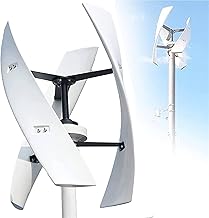
This high-capacity vertical-axis turbine is designed for hybrid wind-solar systems and features a maglev generator for reduced start torque and extended service life, typically 10–15 years. The 360° wind capture and absence of a yaw system simplify maintenance in variable wind regimes. The device employs a three-phase AC PMG and a precise microprocessor to regulate current and voltage, boosting annual energy generation. While best suited for larger off-grid installations or commercial applications, it can power substantial loads when wind resources are favorable.
Small DIY Wind Turbine Kit

This educational kit targets learners and hobbyists interested in basic wind power concepts. It uses a DC motor-based generator and oversized blades to demonstrate power generation when driven by a fan or blower. Note that natural wind may not reliably produce electricity with this setup; the kit is best used as a classroom or project demonstration rather than a primary power source. The package includes a 0–36V DC output range, making it useful for experiments, LEDs, and small charging projects in a controlled wind environment.
Buying Guide: Key Purchase Considerations
- Wind resource and site suitability: Match turbine wattage and start-up wind speed to average local wind speeds. Coastal and plains regions often provide better energy yields than sheltered areas.
- Generator type and control: Permanent magnet synchronous generators (PMG) paired with MPPT controllers optimize charging efficiency and adapt to varying loads. Assess noise levels, heat tolerance, and electronics quality.
- Durability and materials: Look for corrosion-resistant housings, UV-stable components, and robust bearing systems. Vertical-axis designs offer low maintenance in some environments but may have different efficiency profiles.
- System integration: Consider battery banks, charge controllers, inverters, and grid-tied options. Ensure compatibility with existing solar or storage setups if planning hybrid systems.
- Maintenance and service life: Compare expected lifespans, warranty terms, and ease of component replacement. Durable builds with longer service life reduce long-term costs.
- Installation and space: Evaluate footprint, mounting requirements, and tilt/yaw mechanisms. Small kits are easier to install on sheds and RVs, while larger units suit farms and remote cabins.
- Cost and return expectations: Balance upfront equipment costs with expected energy savings. Higher-capacity turbines demand more wind and may offer faster payback in windy locations.
- Safety and compliance: Ensure devices meet local electrical codes and include protective features like overcharge and short-circuit safeguards. Follow proper installation guidelines to prevent hazards.