When backup power is essential, operating a generator without disturbing neighbors or breaking your schedule matters. This article highlights five effective noise-reduction options that work with many portable generators, from rugged shelters to exhaust silencers and vibration dampers. Each option covers installation, performance, and suitability for different environments, helping you choose a practical solution for your setup.
| Product | Primary Noise-Reduction Approach | Estimated Use Case | Link |
|---|---|---|---|
| Zombiebox Generator Running Cover | Acoustic barrier and weather enclosure | Outdoor generators up to 12,000W | Amazon |
| Otoolling Generator Running Cover with Acoustic Panels | Heavy-duty metal cover with sound-absorbing panels | Most portable generators up to 12,000W | Amazon |
| Betollo Exhaust Extension Silencer Kit | All-in-one muffler and grille for exhaust noise | Most portable generators with exhaust ports | Amazon |
| PAZLAM Exhaust Extension Silencer Kit | Stainless steel muffler with flexible pipe | Wide generator compatibility | Amazon |
| Three-layer Soundproof Box For Booster Water Pump | Three-layer insulated enclosure for noise reduction | Noise-prone equipment enclosures including pumps and generators | Amazon |
Zombiebox Generator Running Cover & Acoustic Barrier

The Zombiebox enclosure combines a rugged steel housing with acoustic performance to reduce generator noise significantly. It is designed to protect portable generators up to 12,000W from rain and weather while dampening sound output. The upgraded design emphasizes durability and user-friendly assembly, offering a practical balance of protection and quiet operation for outdoor use in campsites, events, or work sites. Its 22-gauge galvanized steel construction resists rust and corrosion, contributing to long-term reliability in harsh environments.
Key considerations for this option include the level of noise reduction (up to about 50%), ventilation to prevent overheating, and the need to provide air intake around the enclosure. This solution is well-suited for users who need a sturdy, all-weather shelter that also helps suppress noise without modifying the generator itself. It is a straightforward install for those who prefer a robust turnkey shelter rather than a modular DIY setup.
Otoolling Generator Running Cover With Acoustic Panels
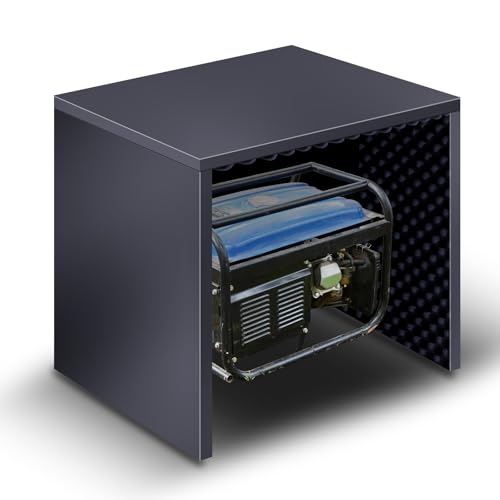
This option pairs a sturdy metal shell with built-in acoustic foam panels. The panels are designed to absorb engine noise, while the outer shell provides weather resistance and rain protection. The enclosure measures 36 x 33 x 32 inches, making it compatible with many portable generators up to 12,000 watts. It includes a complete packing list with metal plates, foam panels, and double-sided tape for secure installation. The combination is intended to offer a balance of weatherproofing and sound isolation for outdoor deployments.
When evaluating this product, consider the mounting method and whether the double-sided tape solution is sufficient for your generator weight and wind exposure. The 2.5 cm-thick foam contributes to noticeable noise reduction, but airflow and proper venting should be monitored to avoid overheating in hot weather. This is a strong pick for users who want a ready-to-use enclosure with integrated acoustic materials rather than purchasing separate components.
Betollo Exhaust Extension Silencer Kit

The Betollo muffler silencer kit focuses on a high-performance exhaust noise reduction strategy. It includes three universal adapters and self-tapping screws for secure mounting, along with fiberglass sealing materials and rubber gloves for safe handling. The grille feature contributes to additional attenuation without compromising engine performance. Built from aerospace-grade materials and galvanized steel, the kit is engineered for durability and corrosion resistance, suitable for routine generator use in residential neighborhoods or outdoor work sites.
Consider the fit across different generator models and whether the included adapters cover your specific exhaust port layout. The kit emphasizes a reduction of over 55% in exhaust noise, which can offer a meaningful decrease in perceived loudness for nearby occupants while maintaining exhaust flow and safe venting.
PAZLAM Exhaust Extension Silencer Kit

PAZLAM’s exhaust extension kit uses a stainless steel muffler and a flexible pipe to guide heat and fumes away from the generator while reducing exhaust noise. The kit is designed for universal compatibility, intended for use with multiple brands, including Firman, Honda, Westinghouse, Champion, and others. Its durable construction and corrosion resistance make it a pragmatic long-term upgrade for quieter operation in residential backyards, campsites, or event setups. The product aims to deliver quieter operation without sacrificing performance or exhaust flow.
When shopping for a muffler kit, check the extension length, compatibility with your generator’s exhaust port, and the ease of installation. The stainless steel design supports durable use in varied climates, while the flexible pipe facilitates routing to a preferred outdoor vent location. This kit is particularly appealing for users who want a relatively simple retrofit to lower exhaust noise by a noticeable margin.
Three-layer Soundproof Box For Booster Water Pump
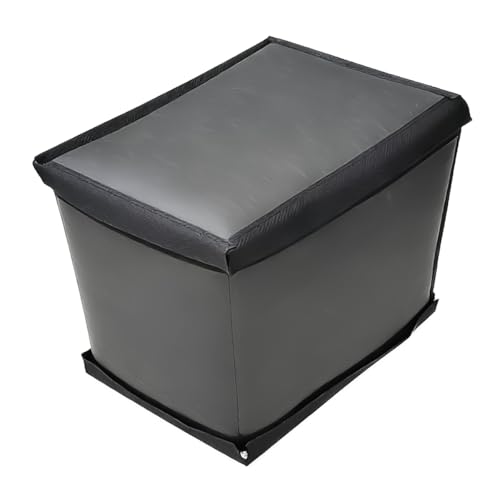
This three-layer enclosure for a water pump—often similar in construction to noise-reduction boxes used for generators—uses thick damping material and cotton spun fibers to significantly reduce noise. The design emphasizes ease of installation with detachable sides and Velcro fastenings on the bottom and lid, enabling flexible access for maintenance. While primarily targeted at water pumps, its material composition and isolation approach make it a reasonable option for bolstering quiet operation in small, enclosed generator setups in quiet zones.
Consider how well this box integrates with a generator cabinet or shelter, including dimensions and ventilation. It can be a cost-effective solution if you already own a similar enclosure and want to repurpose it for generator use, though it may not be optimized for generator-specific heat management or airflow patterns.
Buying Guide: Key Purchase Considerations For Generator Noise Reduction
When choosing a noise-reduction solution for a generator, consider the following factors to ensure you get the best match for your needs:
- Noise reduction target: Different products advertise varying decibel reductions. For residential areas, even moderate reductions can make a noticeable difference in perceived loudness.
- Ventilation and heat management: Enclosures and mufflers must allow adequate airflow to prevent overheating. Check manufacturer guidance on intake/exhaust clearance and any recommended fans or vents.
- Compatibility: Confirm that the enclosure size, exhaust outlet, or shield matches your generator’s wattage, exhaust port, and mounting points. Universal adapters improve compatibility for mixed brands.
- Durability and weather resistance: Outdoor use requires corrosion-resistant materials (galvanized steel, stainless steel) and weatherproofing. Consider rust resistance and the expected environmental exposure.
- Installation effort: Some options are turnkey shelters, while others require assembly or DIY adaptation. Assess your tolerance for tools, adhesives, and possible modifications.
- Maintenance access: Ensure easy access for service, fuel checks, and preventative maintenance without removing the noise-reduction solution.
- Cost vs. benefit: Weigh the upfront cost against long-term benefits such as improved neighbor relations, reduced stress on cooling systems, and extended generator life due to stable operating temperatures.
- Portability and storage: If you need temporary setups, portable enclosures or removable mufflers might be preferable. For long-term sites, a more permanent shelter could be advantageous.
In practice, a combined approach—an enclosure with acoustic panels plus a proper exhaust silencer—often yields the best balance of noise reduction, durability, and ongoing usability. It’s useful to assess your local noise ordinances and neighborhood expectations, then select a solution that provides both practical protection and quiet operation during critical backup periods.