Finding an effective noise reduction box for your generator can dramatically improve outdoor usability and home comfort. Below are five top-rated options that blend sound dampening with weather resistance, ventilation, and durable construction. Each choice is designed to minimize engine noise while keeping your generator accessible and safe to operate.
Summary of Chosen Products
- Otoolling Generator Running Cover with Acoustic Panels — Heavy-duty enclosure up to 12,000W, 36 x 33 x 32 inches
- GDLF Generator Shed — Outdoor box with cooling fans and sound-absorbing interior
- TroyStudio Portable Sound Proof Box — Compact 16″ x 12″ x 16.2″ with high-damping foam
- PAZLAM Generator Exhaust Extension Silencer Kit — Muffler kit with flexible pipe for quieter exhaust
- LUNTHINK Generator Box — Large enclosure with ventilation and drainage for up to 15,000W
Otoolling Noise Reduction Cover For Generators
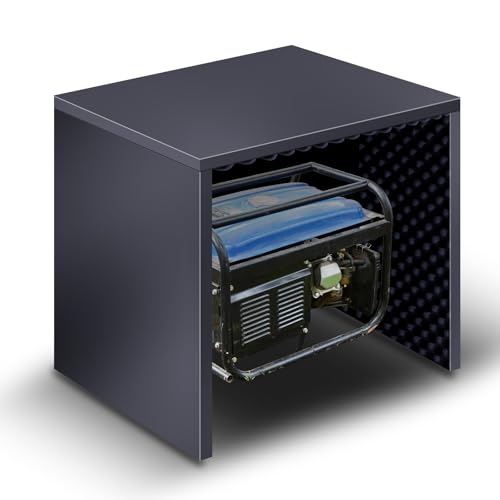
The Otoolling noise reduction box combines a steel frame with acoustic panels to reduce engine noise while providing rain shelter. The enclosure measures 36 x 33 x 32 inches, designed for generators up to 12,000 watts. It includes four heavy metal plates, eight corrugated foam panels, and a double-sided tape for secure panel attachment. The galvanized steel provides corrosion resistance, and the interior foam panels deliver sound dampening for quieter operation while outdoors. This model emphasizes sturdy construction and weather protection alongside noise mitigation.
GDLF Outdoor Generator Shed With Cooling And Insulation
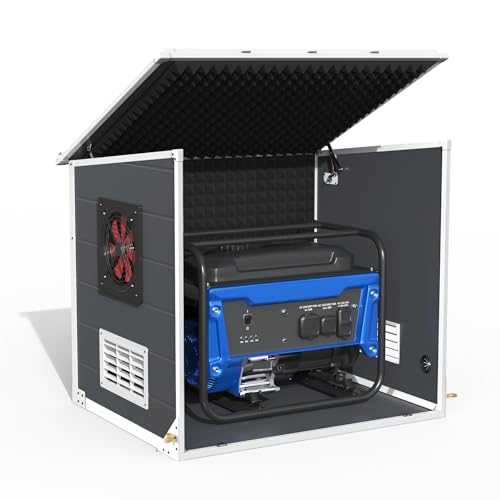
The GDLF generator shed focuses on ventilation and sound absorption to reduce operating noise. It features built-in cooling fans and side vents to prevent heat buildup, while the interior insulation lowers noise levels during operation. The panels are lightweight PP boards that resist weather, rain, and UV exposure, offering long-term outdoor use. This option is suitable for those who prioritize active cooling and inner sound-dampening for quieter performance in residential environments.
TroyStudio Portable Sound Proof Box For Small Power Devices

The TroyStudio enclosure is a compact, portable sound barrier designed to dampen noises from smaller devices, including generators. It uses five high-density foam panels and a cable/tube port-equipped felt box for versatile wiring. The box claims a maximum noise reduction around 21.5 dB and folds down for easy storage. It’s best suited for smaller generators or as a supplemental enclosure in mixed equipment setups where space is limited and portability matters.
PAZLAM Exhaust Extension Silencer Kit For Quieter Generators

The PAZLAM kit focuses on exhaust noise and fume management. It uses a stainless steel flexible pipe to extend and muffle exhaust, reducing noise and safely venting heat and fumes outdoors. The heavy-duty construction stands up to outdoor use and weather exposure. This option complements a generator enclosure by addressing exhaust noise directly, which can be a major contributor to perceived sound levels in outdoor settings.
LUNTHINK Generator Box With Ventilation And Impact Resistance

The LUNTHINK enclosure emphasizes ventilation, heat dissipation, and impact resistance. Its dimensions accommodate larger generators (up to around 15,000 watts). The design includes a robust metal shell with top insulating materials to cut noise while retaining weather resistance. Drainage features and double-layer air inlets help shield the generator from rain and moisture, making it suitable for harsh outdoor conditions without compromising performance.
Buying Guide: Key Purchase Considerations
- Noise Reduction Efficacy: Look for enclosures with interior sound-absorbing materials, such as foam or acoustic panels, and consider whether the design targets high-frequency or overall noise reduction. Some products also offer exhaust mufflers to address noise generated by exhaust systems.
- Ventilation And Heat Management: Generators produce significant heat. Choose enclosures with adequate ventilation, cooling fans, or double-layer air intakes to prevent overheating while maintaining quiet operation.
- Weather Resistance: Outdoor use requires rust-proof materials, waterproof fabrics, and UV protection. Zinc-coated steel, PP panels, and 600D waterproof fabrics are common options. Consider how UV exposure and rainfall will affect durability.
- Size And Compatibility: Confirm the enclosure dimensions and the generator wattage rating to ensure a proper fit. Some enclosures support up to 12,000W, others handle 15,000W or more. Check mounting, access doors, and service clearances.
- Installation And Maintenance: Some units are lightweight and portable, while others are heavy-duty and semi-permanent. Evaluate ease of assembly, panel attachment methods, and how straightforward it is to access the generator for maintenance.
- Integrated Features: Look for extras such as rain shelters, durable frames, rainproof seals, and cable/tube ports. For exhaust-focused noise reductions, consider muffler extensions or adapters that are compatible with common generator brands.
- Cost Versus Benefit: Heavier, more robust enclosures may offer better durability and noise reduction but come at a higher upfront cost. Balance budget with expected usage and climate conditions.
- Brand And Warranty: Reputable brands with clear warranty terms provide confidence in long-term use. Read product reviews for real-world feedback on noise performance and weather resistance.
Across the listed options, you can compare whether you need maximum noise attenuation, enhanced cooling, or a weatherproof shell for frequent outdoor operation. For environments with persistent noise concerns, combining a dedicated exhaust silencer with an enclosure can yield the quietest results. Always verify compatibility with your generator model, and ensure access for maintenance remains convenient even with the enclosure installed.