Hydrogen water generators power on-demand, high-concentration hydrogen water for improved hydration and antioxidant support. This guide highlights five top options, detailing technology, portability, and key features to help American readers choose the right device for home, gym, or travel. Each pick uses SPE/PEM electrolysis to produce hydrogen-rich water efficiently and safely.
Summary of Selected Products
- SwiftH2O Hydrogen Water Bottle Generator — Brand: SwiftH2O
- Mirtade Hydrogen Water Bottle Generator — Brand: Mirtade
- H2ORIGIN PULSE Hydrogen Water Bottle Generator — Brand: H2ORIGIN PULSE
- VEVOR Hydrogen Inhalation Machine — Brand: VEVOR
- WINGROWHK Ultra Hydrogen Water Bottle Generator — Brand: WINGROWHK
Hydrogen Water Bottle Generator by SwiftH2O
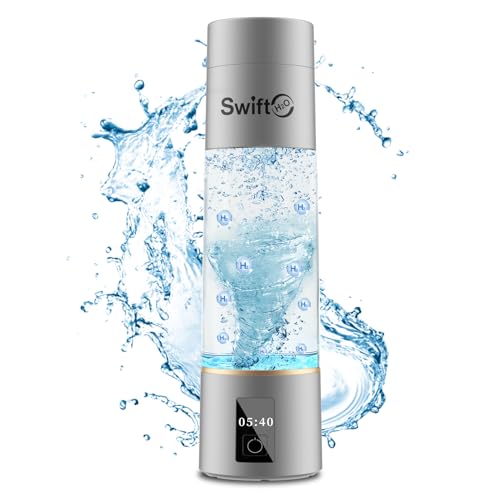
The SwiftH2O hydrogen water bottle uses SPE (Solid Polymer Electrolyte) and PEM (Proton Exchange Membrane) technology to rapidly produce hydrogen-rich water. It delivers up to 4000+ PPB concentrations and is designed for on-the-go hydration. Its portability supports activity at home, in the gym, or during travel, with a focus on maintaining hydrogen levels through daily use. The product emphasizes anti-leak sealing and a durable construction suitable for frequent handling.
Key takeaways include portable operation, robust sealing to minimize leakage, and a design oriented toward active lifestyles. The bottle’s materials are selected for safety, and the device aims to provide quick access to hydrogen-rich water whenever needed.
Hydrogen Water Bottle Generator by Mirtade

The Mirtade bottle claims high-purity hydrogen generation with SPE/PEM technology, delivering up to 10,000 PPB in a 10-minute cycle. It emphasizes a 12-ounce capacity, a reinforced seal, and a long-lasting battery to support frequent use across daily activities. The device is certified for safety and designed to minimize by-products, offering a practical option for people seeking strong hydrogen concentrations during workouts or travel. The product also highlights air-hole ventilation to safely release gases during operation.
H2ORIGIN PULSE Hydrogen Water Bottle Generator

The H2ORIGIN PULSE model offers up to 9000 PPB hydrogen concentration and features a 3-in-1 portable adapter and refresh spray for inhalation use. It provides a flexible hydration approach by combining drinking water enhancement with an inhalation option, potentially appealing to users exploring both hydration and hydrogen inhalation benefits. The device uses SPE/PEM technology to optimize hydrogen infusion while remaining portable for home, office, gym, or travel contexts.
VEVOR Hydrogen Inhalation Machine

The VEVOR inhalation device targets high-purity hydrogen through electrolysis, delivering up to 99.99% hydrogen with a dual-port HO-separator design. It supports multiple modes (H2, O2, and H2+O2) for flexible use, including a timer and easy operation. While primarily an inhalation device, it is positioned as part of a broader hydrogen wellness toolkit for home or travel, with safety features and clear indicators for status and operation.
Ultra Hydrogen Water Bottle Generator by WINGROWHK
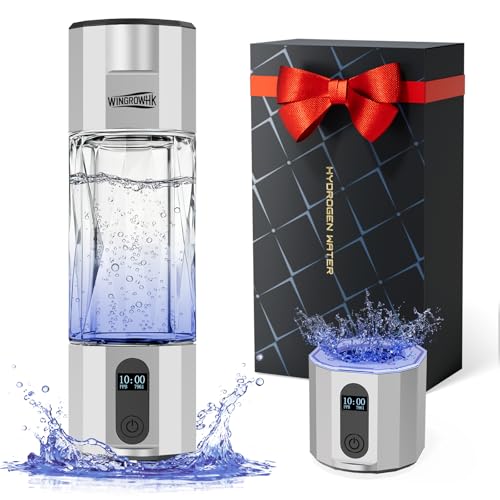
This model emphasizes an upgrade SPE/PEM technology stack designed to deliver high-concentration hydrogen-rich water. It notes a careful sealing process and a warning about a small amount of water present in packaging to protect the hydrogen-producing components. The design aims for portability and ease of use, with reminders to align the bottom generator arrows with the bottle body to ensure a leak-free seal. It targets users seeking a straightforward hydrogen water solution on the go.
Buying Guide: Key Purchase Considerations for Hydrogen Water Generators
- Hydrogen concentration and production time: Look for devices reporting PPB (parts per billion) levels and the time required to reach peak concentration. Higher PPB values may offer stronger hydration benefits, but verify that the claimed performance is supported by testing or certification.
- Technology: SPE vs PEM and combined SPE/PEM configurations impact efficiency and purity. PEM often provides consistent hydrogen production, while SPE components contribute to the overall electrolysis process. Choose devices with reputable technology disclosures.
- Portability and capacity: Consider bottle size, weight, and battery life if you plan to hydrate while traveling or at the gym. A larger battery can support more cycles between charges, but may add bulk.
- Materials and safety: Favor food-grade materials, BPA-free plastics, and durable seals to prevent leaks. Ensure that the device adheres to relevant safety standards and includes a clear indicator for operation and maintenance.
- Maintenance and cleaning: Detachable components and easy cleaning reduce hygiene concerns. Look for bottles with washable seals and accessible parts to maintain peak performance.
- Leak prevention and seals: A tight seal between the bottle and generator is critical to prevent leaks. Follow alignment instructions precisely during assembly to maintain airtight operation.
- Certification and testing: Third-party testing for hydrogen concentration can offer assurance about performance claims. If possible, verify certifications or test results from independent laboratories.
- Battery life and charging: For battery-powered models, consider charge time, number of cycles per charge, and whether charging is USB-based or uses an adapter. This affects daily usability.
- Versatility: Some models offer inhalation or mist spray options in addition to drinking water. Decide whether you want a multi-function device or a dedicated water generator.
- Maintenance costs: Factor in replacement seals, filters, and battery lifespan. Ongoing upkeep can influence long-term value and user experience.
When selecting a hydrogen water generator, balance concentration needs with practical usage. For daily hydration at home or on the go, a portable bottle with reliable seals and a durable battery often delivers the best blend of convenience and performance. For users exploring inhalation benefits, devices offering dual-mode functionality may be compelling, provided they meet safety and hygiene expectations.