The best powerful power stations deliver high capacity, fast recharging, and reliable output for homes, camping, and off‑grid living. This guide highlights top options and who they’re best for, with a quick summary to help you compare at a glance.
Summary of selected products
- AFERIY 3840Wh Portable Power Station — Best for high-capacity home backup
- Anker SOLIX C2000 Gen 2 — Best for heavy daily use and rapid recharge
- Anker SOLIX C1000 Gen 2 — Best for moderate power with fast recharge
- BLUETTI Elite 30 V2 — Best for compact portability with solid surge power
- EnginStar Portable Power Station 296Wh — Best for compact emergency kits
Buying Table
Product Comparisons
Note: All figures reflect listed capabilities and typical usage scenarios. When choosing, consider your peak load, recharge speed preferences, and whether you plan to add expansion batteries later.
Anker SOLIX C2000 Gen 2 Portable Power Station
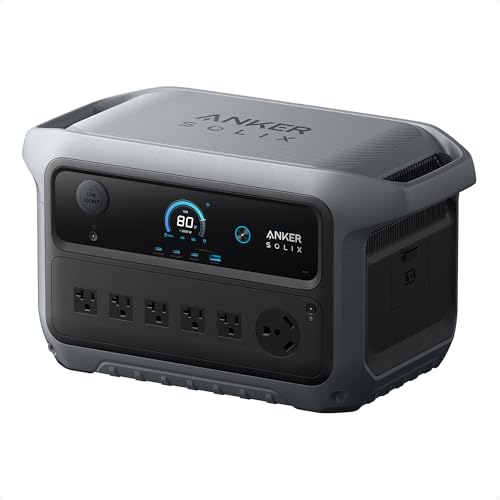
Capacity and power: 2,400W continuous output with up to 4,000W peak and a 2,048Wh LiFePO4 battery. Best for heavy duty home backup, workshops, and long camping trips where appliances run simultaneously. This model supports rapid charging and can be expanded to 4kWh with an optional expansion battery.
Best for: Home backup users who need long runtime and fast top‑up, or outdoor enthusiasts who operate multiple devices at once. The C2000’s higher peak helps run demanding devices like power tools or kitchen appliances during outages.
Why chosen: It combines substantial energy reserves with quick recharge, reducing downtime in emergencies. The LiFePO4 chemistry enhances cycle life and safety for frequent use.
Caution: The highest performance depends on matching devices’ loads; avoid exceeding recommended continuous outputs for extended periods to prevent inefficiency.
Anker SOLIX C1000 Gen 2 Portable Power Station

Capacity and power: 2,000W continuous (3,000W peak) with 1,024Wh LiFePO4 battery. Fast recharge in about 49 minutes and accommodates up to 10 devices via multiple ports. Suited for smaller households, RVs, or remote work setups requiring reliable power.
Best for: Users who want strong performance with portability, including camping and mobile offices. The compact profile makes it easier to transport than larger models.
Why chosen: UltraFast recharging and high peak power enable quick readiness after outages or for travel stopovers where speed matters.
Caution: Heavier loads near the peak should be staggered to maintain efficiency and prolong battery life.
AFERIY 3840Wh Portable Power Station

Capacity and power: 3,840Wh LiFePO4 battery with up to 3,600W continuous output and expandable up to 11.5kWh. This model supports significant expansion for extended outages and heavy loads, making it highly capable for larger homes or off‑grid setups.
Best for: Home backup fans who want a scalable solution and can plan ahead for substantial energy needs, or campers running multiple devices for long periods.
Why chosen: The large base capacity and expandable architecture provide long runtimes and future growth without needing a second system.
Caution: Higher expansion and runtime come with greater size and weight; plan storage and transport accordingly.
MARBERO Portable Power Station 88Wh
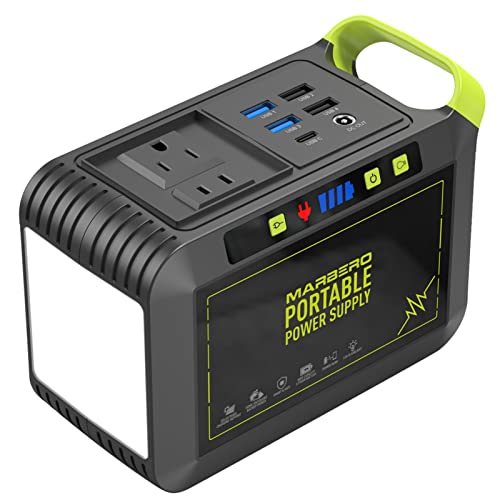
Capacity and power: 88Wh with 120W peak output. Ultra‑compact and lightweight for quick, basic charging on outdoor trips or as a travel backup. Best for charging phones, small devices, and overnight necessities.
Best for: Casual campers and travelers who prioritize portability over heavy power. Not suitable for running high‑power appliances for long periods.
Why chosen: Notable for its extremely small footprint and ease of carry, making it a practical add‑on for quick needs.
Caution: Limited runtime for larger electronics; avoid sustained high loads.
BLUETTI Elite 30 V2 Portable Power Station

Capacity and power: 288Wh LiFePO4 battery with 600W continuous power and 1,500W surge (Power Lifting Mode). Very portable for a compact setup, yet can support essential devices during storms or trips.
Best for: Individuals who want a balance of portability and enough power for everyday devices like laptops, cameras, or CPAP machines.
Why chosen: Low weight and solid surge capability make it a strong travel companion and emergency backup for modest loads.
Caution: Not intended for high‑demand appliances over extended periods.
Anker Portable Power Station SOLIX C300

Capacity and power: 288Wh LiFePO4 with 300W continuous power and 140W two‑way charging. This compact option is travel‑friendly and supports multiple ports for essential devices.
Best for: Travelers and campers who need reliable backup for daily devices without carrying heavier gear.
Why chosen: Two‑way charging and a compact form factor offer practical versatility for short trips and light emergencies.
Caution: Limited peak output may constrain simultaneous high‑demand devices.
Buying Guide: Key Purchase Considerations
- Capacity versus load: Higher watt‑hour (Wh) ratings provide longer runtimes, but heavier units cost more. Match capacity to your typical load and desired uptime during outages.
- Output options: Check the number and type of outlets (AC, USB‑C, car) and the total continuous output (watts). For homes with fridges or power tools, prioritize higher continuous wattage and surge capability.
- Recharge speed: Look for fast recharge features and multiple charging methods (AC, solar, car). Fast recharge reduces downtime between uses.
- Battery chemistry: LiFePO4 offers longer life and safety advantages over some lithium variants, especially for frequent cycling.
- Expandability: Some models support expansion batteries to scale capacity over time. Consider future energy needs and space for additional packs.
- Portability: Weigh the balance between capacity and portability. Smaller units are easier to move but may supply less power for longer durations.
- Safety and protection: Battery management systems (BMS) and over‑current protections help protect devices and the power station during use.
Frequently Asked Questions
- What defines a “powerful” power station?
Typically a combination of high capacity (Wh), strong continuous output (watts), and fast recharge capabilities.
- Do I need LiFePO4 chemistry?
LiFePO4 offers longer cycle life and better thermal stability, which is advantageous for frequent use and longer lifespans.
- Can I run my home fridge from a power station?
Yes, if the power station’s continuous wattage and peak surge exceed the fridge’s starting and running loads.
- Is expansion battery worth it?
Expansion is helpful for future needs or longer outages, but requires space and additional investment up front.
- What safety features should I look for?
Look for a robust BMS, short‑circuit protection, temperature control, and certified electrical safety standards.
- How should I store a power station long term?
Store in a cool, dry place with a partial charge (around 40–60%) to preserve battery health.