Looking for a low RPM diesel generator to deliver steady power with fewer vibrations and longer engine life? This guide highlights five reliable options that favor reduced idle speeds and stable output. Each product is suited for different user needs—from emergency backups to off-grid power. Use this overview to compare which model best fits your environment, whether you’re powering a workshop, a home, or remote sites.
| Product | Best For | Key Benefit | Limitations |
|---|---|---|---|
| 12000W Low RPM Permanent Magnet Generator | Large setups needing sustained output | High efficiency at low RPM | Higher upfront investment |
| Lakenbroade 8000W-12000W (600 RPM) | Wind, water, or diesel hybrids | Gearless, durable housing | Limited detailed specs in listing |
| Generac XD5000E 5000-Watt | Emergency backup and job sites | Long runtime and rugged frame | Diesel option with no small-vehicle portability |
| WANGYONGQI 1000W Low RPM Generator | Small off-grid or FX applications | Low start-up speed, direct drive | Lower overall power output |
| 1000W Low RPM Brushless Generator | Compact energy needs | Brushless, efficient power | Limited wattage for heavy loads |
12000W Low RPM Permanent Magnet Generator

Best For: Large off-grid or industrial installations needing high power at low RPM. The gearless design and permanent magnet setup provide efficient energy conversion at 600 RPM, reducing wear and noise. This is a strong candidate for users prioritizing long-term efficiency and reduced mechanical stress.
Why selected: The large wattage at low RPM makes it suitable for sustained loads, and the permanent magnet technology supports better efficiency compared to traditional alternators at the same speed.
Caution: The listing emphasizes energy-focused features but does not detail runtime specifics or safety certifications. Verify compatibility with your system’s voltage and control scheme before purchase.
6KW Diesel Generator
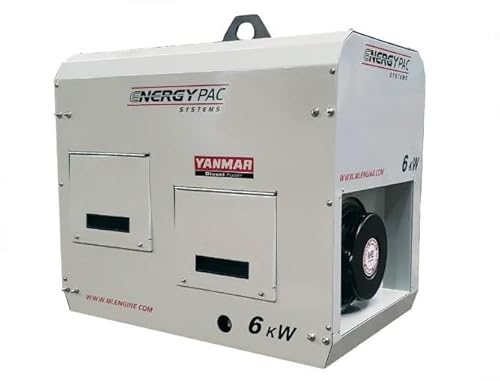
Best For: Medium-duty backup power and industrial applications where a diesel engine is preferred and a robust control panel is beneficial. The included start and shutdown features support safe operation in variable conditions.
Why selected: The generator bundles essential components such as electric start, AVR, and a sizeable fuel tank for extended operation, making it a practical choice for job sites or emergency power needs.
Caution: The listing lists many components but does not specify exact runtime at varied loads. Consider your average load to estimate run time accurately.
Lakenbroade 8000W-12000W Low RPM Generator

Best For: Wind or water turbine setups bridged with a diesel engine to achieve steady power at low rotational speeds. The gearless design can enhance compatibility with fluctuating prime mover speeds.
Why selected: The three-phase permanent magnet generator uses NdFeB magnets with copper windings for efficiency and stability. The aluminum housing adds durability and corrosion resistance in harsh environments.
Caution: While robust, the product listing focuses on structure and material strength; confirm electrical compatibility with your wind/water turbine system before integration.
WANGYONGQI 12V/24V/48V Low RPM Generator

Best For: Small-scale off-grid systems or wind/water setups where a low-starting torque and direct drive are favored. Ideal for cabin or RV off-grid energy projects requiring reliable low-RPM generation.
Why selected: The gear-less, direct-drive design reduces mechanical complexity and maintenance compared with belt-driven units, while high-quality bearings manage heat effectively.
Caution: Lower power output means this model fits smaller load profiles; avoid using it for heavier equipment or sustained high-demand loads.
Low RPM 3KW 5KW 6KW Permanent Magnet Generator

Best For: Home-use wind and water turbine projects or small diesel engine applications requiring configurable voltages (12V, 24V, 48V). The multi-kW range supports a variety of off-grid needs.
Why selected: The model emphasizes versatility with different voltage options and brushless design to minimize resistance and heat buildup at low RPMs.
Caution: The listing mentions general capabilities but does not specify exact efficiency figures across voltages. Ensure compatibility with your battery bank or storage system.
2000W Permanent Magnet Generator

Best For: Small off-grid installations or mobile charging setups needing reliable 12V output at 4000 RPM. Suitable for light-duty applications such as auxiliary charging or lighting on remote sites.
Why selected: It uses a brushless design with a permanent magnet rotor for efficient power generation and reduced heat at low RPMs, supporting durable operation in constrained spaces.
Caution: Not designed for large agricultural vehicles or heavy loads; confirm load requirements align with 2000W capacity.
Buying Guide: Low RPM Generators
- What is low RPM and why it matters: Lower rotational speed generally reduces engine wear, noise, and vibration, extending generator life and improving fuel efficiency for diesel engines.
- Power needs: Match wattage to your typical load. For intermittent tools, prioritize surge wattage; for continuous loads, rely on running watts and reserve capacity.
- Fuel and runtime: Diesel engines vary in fuel tank size and efficiency. Consider expected run times between refuels, especially for emergency or off-grid use.
- Portability vs. capacity: Larger units deliver more power but are heavier and less portable. Choose based on whether mobility or peak output is your priority.
- Control and safety: Look for automatic voltage regulation, low-oil shutdown, and protective housings. Ensure compatibility with your battery storage or grid connection.
- Durability and environment: Aluminum or steel frames, corrosion-resistant housings, and weather-appropriate enclosures matter in harsh settings.
FAQ
- What does low RPM mean for diesel generators?
It means the engine runs at a slower speed to produce electricity, typically reducing wear and noise while improving fuel efficiency for steady outputs.
- Is a low RPM generator suitable for home backup power?
Yes, if it matches your essential load and offers reliable runtime. Check the running watts and surge capabilities for your appliances.
- What should I consider when choosing between gearless and geared designs?
Gearless designs reduce mechanical losses and maintenance. Geared systems can amplify torque but may require more maintenance.
- Can I use these generators with wind or water turbines?
Some models are suitable for direct-drive turbine integration. Confirm voltage, phase, and interface compatibility with your turbine system.
- What maintenance is common for low RPM generators?
Regular oil checks, air filter cleaning, fuel system maintenance, and inspecting electrical connections support longevity.