If you’re financing solar panel installation, a low-interest loan can reduce overall costs and simplify repayment. This guide highlights five solar panels that pair well with affordable financing, helping buyers choose options suited for homes, RVs, security setups, or off-grid projects. Each entry notes who it’s best for, plus practical considerations to balance upfront costs with long-term energy savings.
Overview: Selecting solar panels often hinges on space, energy needs, and weather conditions. The table below shows five strong options that align with common loan-friendly scenarios, from compact DIY panels to high-capacity residential systems. Consider whether you need portability, higher efficiency in low-light, or bifacial designs for extra yield.
| Product | ||
|---|---|---|
| Sunnytech 0.5w 5v Mini Small Solar Panel Module | DIY Polysilicon Panel | Educational projects, small charging tasks, classrooms |
| 860 watt Bifacial Solar Panels (STAR) | Residential/Off-Grid High Power | Limited space homes or off-grid installs needing more power per footprint |
| EPOCH 800W Bifacial Monocrystalline Panels | High-Capacity Off-Grid/Marine | RV, boat, and camp setups needing robust, reliable output |
| YCTechCam Solar Panel, 5W | Small Security Cameras | Battery-powered cameras with 5V USB/USB-C needs |
| FUTUREZEN 10W Solar Panel for Security Cameras | 5V USB-C / Micro USB Solar Panel | Outdoor camera systems requiring USB power options |
Sunnytech Mini Solar Panel Module For DIY Projects

Product snapshot: A tiny, two-tab panel designed for DIY models, tiny charging tasks, and teaching aids. It includes a blocking diode to prevent overcharging and backflow, with color-coded wires and optional two-solder-tab connections for parallel panel setups. Best For: students, hobbyists, and educators building solar-powered models or charging small DC batteries. Consideration: its small power output means it’s not suitable for full-home or heavy-load use.
860W Bifacial Solar Panels By STAR

Product snapshot: A high-power residential/off-grid package with UL61730 certification and 30-year lifespan. Bifacial design harnesses light from both sides for enhanced output. Best For: homeowners with limited space seeking higher power density and long-term durability. Limitation: installation may require professional alignment and mounting considerations due to size and weight.
EPOCH 800W Bifacial Monocrystalline Solar Panels
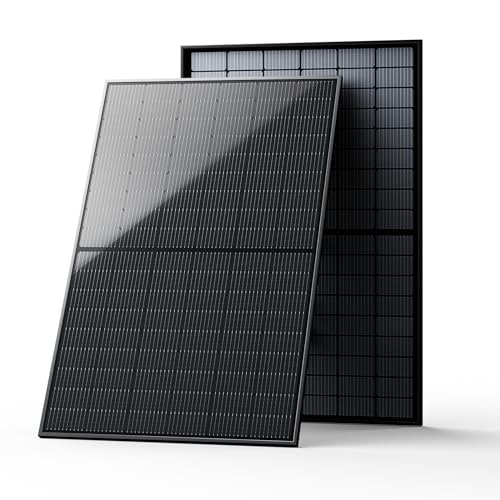
Product snapshot: Class A+ monocrystalline cells with PERC, half-cut design, and bifacial capability. It supports high conversion (up to 25%) and dual-sides energy capture. Best For: campers, RVs, boats, and off-grid homes needing substantial power with reliable performance in varied light. Limitation: higher upfront cost typical of A+ cell technology.
YCTechCam 5W Solar Panel For Security Cameras

Product snapshot: A compact 5W USB solar panel designed for micro USB/USB-C powered cameras. IP65 waterproof housing supports outdoor use. Best For: security cameras with 5V inputs that require a simple, weather-ready solar option. Limitation: not compatible with some popular camera brands or plug-in-only cameras without batteries.
FUTUREZEN 10W Solar Panel For Security Cameras
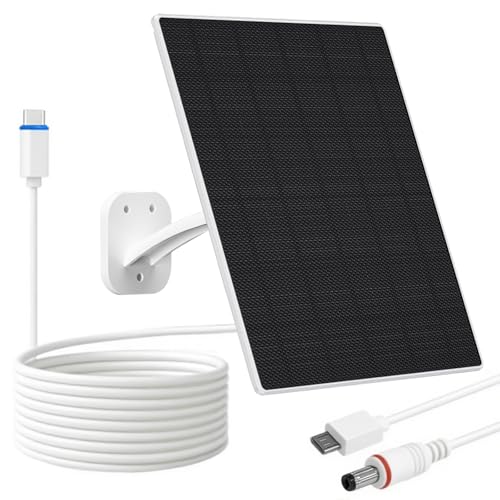
Product snapshot: A 10W USB-C/Micro USB solar panel with IP66 waterproof rating and 360° adjustable bracket. Best For: outdoor cameras requiring reliable 5V power with flexible mounting. Limitation: not compatible with Arlo, Blink, Ring, Google Nest, or cameras without batteries.
Buying Guide
Key considerations when choosing solar panels with financing options:
- Power requirements: Match panel wattage to your expected daily energy use and the loan term you’re considering.
- Mounting space: Larger panels deliver more power but require appropriate installation areas and mounting hardware.
- Weather and durability: Look for IP ratings, wind and snow load ratings, and cell technology suited to your climate.
- Efficiency vs. size: Bifacial and high-efficiency options save space but may come at a higher upfront cost.
- Compatibility: Ensure panels and mounting hardware align with your existing inverters, charge controllers, or camera power requirements.
- Financing alignment: Compare loan terms, interest rates, and total cost of ownership to determine the best value over time.
- Warranty and service life: Longer lifespans reduce replacements and maintenance over the panel’s useful life.
Technical and Financial Questions To Consider
- What is the expected daily energy output for your location and chosen panel?
- Does the loan allow for early payoff without penalties?
- Are there any installation incentives or tax benefits you can pair with financing?
- How will shading, orientation, and roof angle affect performance for your home?
FAQ
- Do low-interest solar loans affect installation quality? Yes, selecting reputable installers and verified panels remains essential to maximize loan value.
- Can small panels be financed? Yes, financing can cover both small DIY panels and larger residential systems, depending on lender criteria.
- Are bifacial panels worth the extra cost with financing? They can be, especially in reflective environments; consider site specifics and payback period.
- What should I look for in a financing offer? Focus on APR, loan term, total interest, any origination fees, and whether there are penalties for early payoff.
- Is a high-efficiency panel always better with a loan? Not always; space, location, and budget influence whether higher efficiency justifies a higher upfront cost.
- Can these panels be used for off-grid setups financed through loans? Yes, many financing programs support off-grid installations, but confirm eligibility with lenders.