The best lithium battery power stations offer portable, high‑capacity energy with fast charging and multiple output options. This guide helps American buyers choose units for camping, home backup, RV trips, or off‑grid living. The top picks below suit different needs—from heavy AC demand to ultra‑compact portability. The summary table shows essential strengths and ideal use cases for quick comparison.
- Jackery Explorer 1000 v2 Portable Power Station
- EF ECOFLOW Delta 2
- BLUETTI Elite 30 V2
- Jackery Portable Power Station Explorer 300
- LIBRIDS C600 Portable Power Station
| Product | Capacity | Best For | |
|---|---|---|---|
| Jackery Explorer 1000 v2 | 1070Wh | Families, RVs, emergency power needs | High output, long lifespan with LiFePO4 |
| EF ECOFLOW Delta 2 | 1024Wh | Home backup, camping with heavy loads | Fast charging, expandable capacity |
| BLUETTI Elite 30 V2 | 288Wh | Compact kit for storms, travel | Lightweight with UPS feature |
| Jackery Explorer 300 | 292Wh | Lightweight backpacking, weekend trips | Very portable, LiFePO4 upgrade |
| LIBRIDS C600 | 640Wh | Home backup, vacations, outages | Fast charge, multiple ports |
Jackery Explorer 1000 v2 Portable Power Station

The Jackery Explorer 1000 v2 is a high-capacity LiFePO4 power station with 1,070Wh and a 1,500W continuous output, suitable for running essential appliances simultaneously. It offers a fast one‑hour charge when emergency charging is enabled and uses ChargeShield 2.0 for safer, faster charging. The device weighs 23.8 pounds and features a durable life cycle with a long LiFePO4 lifespan. Best for families and outdoor enthusiasts who need reliable power for refrigerators, laptops, and small kitchen appliances during outages or camping.
Best for: Home backup and large outdoor setups where multiple devices will run at once. Consider this when you need robust power in a rugged, road-ready unit.
Caution: One-hour fast charging is conditional on emergency charging mode and may vary with usage after a full cycle.
MARBERO Portable Power Station 88Wh
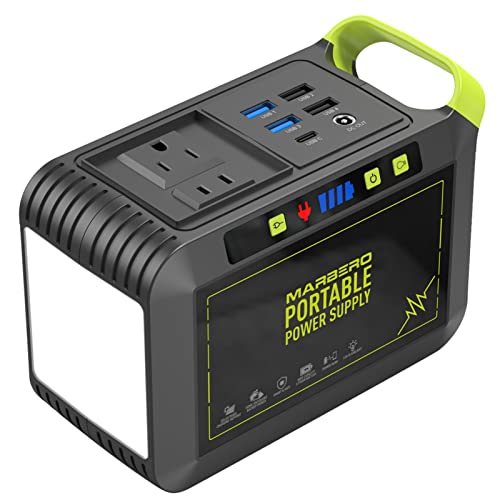
The MARBERO unit is a compact 88Wh LiFePO4 battery with eight ports and fast charging capabilities. It includes USB-C PD and AC outputs, making it suitable for quick charging of phones, tablets, and small laptops, and can power car refrigerators and other small devices via its AC outlets. Best for: ultralight travelers, weekend campers, or as a portable backup for essential devices. Caution: Limited capacity means it’s best for light loads or short outages.
DARAN Portable Power Station 89.6Wh

The DARAN power station delivers 89.6Wh LiFePO4 capacity with a compact form and two AC sockets. It provides multiple charging methods, including AC, USB-C PD, and car charging, enabling fast on-the-go charging for small devices, laptops, and essential electronics. Best for: travelers who need a tiny, reliable emergency charger, or as a carry-on camping companion. Limitation: Lower total output may not support high-watt appliances for extended periods.
LIBRIDS C600 Portable Power Station

The LIBRIDS C600 offers 640Wh LiFePO4 capacity with 600W continuous output and 1,200W surge. It features 8 ports and a 1.5-hour full charge time, making it a strong option for outages and outdoor events. Best for: home backup kits and small outdoor setups requiring reliable UPS functionality. Caution: Heavier than some ultra-compact models, which can affect portability.
Buying Guide
What should you consider when selecting a lithium battery power station?
- Capacity and wattage: Match energy capacity (Wh) and continuous wattage to your common loads. For refrigerators or CPAP machines, prioritize higher outputs and longer runtimes.
- Battery chemistry and lifespan: LiFePO4 chemistry typically offers longer cycle life and better thermal stability than other chemistries, reducing long-term replacement needs.
- Portability vs. power: Heavier units often provide more capacity; lighter options excel for backpacking or light camping. Consider handle design and form factor.
- Charging options: Look for multiple charging methods (AC, car, solar) and charging speed. Fast-charging features are beneficial during outages or travel.
- Output versatility: A mix of AC outlets, USB-C PD, and car ports expands compatibility with laptops, TVs, phones, and essential devices.
- UPS and safety: Some models include UPS (uninterruptible power supply) features to automatically switch to battery during outages. Assess protection features like overcharge, short-circuit, and thermal management.
- Expandability and ecosystem: Some brands offer expandable capacity with additional batteries or solar panels. Consider your long-term power goals.
Practical buying considerations
- Are you primarily camping or living off-grid? Choose higher capacity, robust output, and better surge handling for sustained appliances.
- Do you need ultra-portable power? Prioritize compact sizes with essential outputs and light weight.
- Will you rely on solar charging? Confirm solar compatibility and whether optional panels are included or sold separately.
- Do you require fast recharging? Check advertised charge times and any limitations on simultaneous charging methods.
Frequently Asked Questions
- What is the difference between LiFePO4 and other lithium chemistries?
LiFePO4 offers longer cycle life, greater thermal stability, and improved safety in many conditions. - Can these power stations run a home refrigerator during a outage?
Yes, models with sufficient continuous wattage (600W+ for many refrigerators) can run a fridge, depending on startup surges. - Do I need solar panels to use these devices effectively?
Solar panels are optional on most models; they provide eco-friendly charging and can extend runtimes off-grid. - Which model is best for travel and portability?
The lighter units like MARBERO and DARAN are more portable but offer lower capacity, suitable for quick trips and charging essential devices. - Is UPS protection common across these devices?
Some models include 10 ms UPS or similar protection; check individual specifications to ensure immediate power during outages. - How long do LiFePO4 batteries last in these generators?
Lifespans often exceed 4,000 charge cycles while maintaining a significant portion of original capacity, depending on usage and care.