When you need dependable power in remote campsites, job sites, or during outages, a liquid-cooled portable generator can offer robust performance and longer engine life. This guide highlights top options that pair portability with efficient cooling, reducing heat-related wear during extended use. Below, you’ll find concise product summaries and a buying guide to help you compare options based on power, noise, fuel use, and portability.
| Product | Brand | Type | Key Benefit |
|---|---|---|---|
| Generac 5655 Maintenance Kit | Generac | Maintenance Kit | Supports liquid-cooled standby systems |
| Oxseryn 2800-Watts Portable Inverter | Oxseryn | Inverter Generator | Portable, quiet, multiple outputs |
| Aceup Energy 1,200W | Aceup Energy | Portable Generator | Ultralight, compact |
| ERAYAK 4500W Portable Inverter | ERAYAK | Inverter Generator | Powerful, quiet, Eco Mode |
| AMERISUN 2500-Watt | AMERISUN | Inverter Generator | Quiet, portable |
Generac 5655 Maintenance Kit For Liquid-Cooled Generators
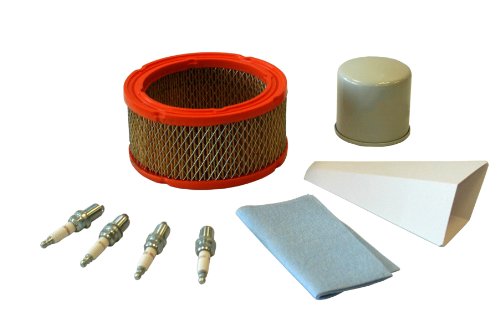
The Generac 5655 Maintenance Kit is designed for liquid-cooled standby generators with a 1.6L engine. It includes an air filter, oil filter, spark plugs, a spark plug wrench, an oil funnel, a chamois, and a reminder sticker. Regular maintenance is advised every 200 hours or two years, depending on usage and manufacturer guidance. The kit emphasizes high-quality components intended to support reliable performance and engine longevity for liquid-cooled systems.
Who it’s for: Owners of Generac liquid-cooled standby units seeking a comprehensive, ready-to-use maintenance package. Consider this kit if you want to simplify routine service and keep critical consumables in one shipment. It’s especially useful for users who perform scheduled maintenance themselves and want factory-grade parts on hand.
Oxseryn 2800-Watts Portable Inverter Generator

Oxseryn delivers a 2800 peak / 2000 running watts portable inverter. Powered by a 79.8cc 4-stroke OHV engine, it features a 1.1-gallon tank, a fuel indicator, and up to nine hours of runtime at 25% load. It supports parallel operation and Eco mode, enabling flexible power for camping or home backup. The unit includes multiple outputs: two 120V AC outlets, one 12V DC port, one USB, and one Type-C port, with less than 3% THD for sensitive electronics.
Consider this option if you need a compact power source that can run essential devices with clean sine wave output. Its parallel capability is useful for expanding capacity when more power is required, though overall output remains best suited for light to moderate loads and portability.
Aceup Energy 1,200W Gas Generator

The Aceup Energy 1,200W generator provides 1200 peak watts and 900 running watts. It runs on a 71cc Aceup single-cylinder, 2-stroke engine with air cooling and a recoil start. Weighing about 35.3 pounds, it offers basic household outlets and protection features such as overload prevention. Its compact form makes it suitable for short camping trips or emergency power where portability is a priority.
This option is best for users who value ultralight design and simple operation, and who do not require extended high-wraw power. It’s a practical choice for occasional use in outdoor activities or as a compact backup power source for critical devices.
ERAYAK 4500W Portable Inverter Generator

ERAYAK offers a 4500W peak / 3500W running inverter generator. It targets RVs, camping, and home backup with a focus on clean energy output suitable for sensitive electronics like laptops and CPAP machines. The unit features Eco Mode for fuel efficiency and reduced noise. It weighs around 55 pounds and measures compactly for portability, with dimensions that fit easily into many vehicle trunks or small storage spaces.
Ideal for users seeking substantial portable power with inverter technology that protects delicate devices. The trade-offs include weight and size relative to smaller models, but the quiet operation and stable output can justify the move for more demanding use cases.
AMERISUN 2500-Watt Inverter Generator

AMERISUN presents a compact inverter generator rated at 2500 peak watts and 1900 running watts. It features a portable design at about 39.7 pounds with a carrying handle for easy transport. Noise levels are rated around 69 dB at 23 feet, which is typical for portable inverters of this class. This unit is EPA-compliant, making it a practical choice for outdoor activities and emergency power while maintaining reasonable fuel efficiency.
Choose this model if you want a balance between power, portability, and quiet operation for tailgating, camping, or light home backup. Its lighter footprint and EPA compliance make it a versatile option among compact portable generators.
Pulsar 2,200W Portable Dual Fuel Inverter

The Pulsar PG2200BiS provides dual-fuel capability with 2,200 peak watts and 1,800 running watts on gas, plus 2,000 peak watts and 1,600 running watts on LPG. This 80cc, single-cylinder, 4-stroke engine uses air cooling and offers parallel capability with a quiet operation profile of around 60 dB. It’s CARB compliant, making it a strong option for regions with strict emission standards.
Suitable for users who want flexible fuel options and the ability to pair units for higher output. The parallel capability is a notable feature for expanding capacity when needed, though it may require additional equipment or setup time.
Aceup Energy 1,200W Gas Generator (Compact)

This Aceup Energy model delivers 1200 peak watts and 900 running watts with a 71cc two-stroke engine and air cooling. It includes a 120V household outlet and basic overload protections, along with a recoil start. Weighing around 35.3 pounds, it’s designed for portability and convenient use in outdoor settings or as a compact emergency backup.
Best for occasional, lightweight power needs where a smaller, easy-to-carry generator is preferred. It’s ideal for campers or as a supplementary unit to deliver essential power without extra bulk.
Buying Guide: Key Purchase Considerations For Liquid-Cooled Portable Generators
- Power needs: Match running watts to current devices. For camping and light home backup, aim for models in the 1500–4000W range. If you require RV-ready or heavy loads, consider higher-output options with inverter technology for clean power.
- Cooling system relevance: Liquid-cooled and air-cooled engines have different heat management profiles. Liquid cooling tends to offer longer engine life under constant use, but check maintenance needs and availability of parts.
- Inverter vs. conventional: Inverter generators produce cleaner power suitable for electronics and offer better fuel efficiency and quieter operation at lighter loads. They are typically more portable but can be pricier per watt.
- Noise and etiquette: Look for decibel ratings at a standard distance (e.g., 23 feet). Quieter units are preferable for camping, neighborhoods, or work sites with noise restrictions.
- Fuel type and efficiency: Gasoline is common, but some dual-fuel models support LPG or propane. Consider fuel availability, tank size, and run time at typical load.
- Portability and weight: Weigh the generator against your transport constraints. Handles, wheels, and compact dimensions improve mobility for field use.
- Emissions and compliance: EPA or CARB compliance matters for certain regions. Ensure the model meets local regulatory requirements.
- Maintenance: Liquid-cooled units may require more regular servicing. Keep a maintenance schedule, and consider a maintenance kit if available for your model.
- Expandability: Some models support parallel operation to increase output. If you anticipate higher future needs, choose a system with compatible parallel capability.
- Warranty and support: Check manufacturer warranty terms and the availability of replacement parts and service centers in your area.