If you need serious, mobile power, the biggest portable solar generators combine high capacity, strong output, and expandable options. These five models are among the largest-capacity, fully portable systems available today and are best for homes, RVs, and extended outdoor trips where grid power is unavailable. They’re suitable for buyers seeking reliable backup, long-running appliances, and scalable expansion. The table below summarizes the key points for quick comparison.
| Product | Battery Capacity | AC Output | Expandable/Notes |
|---|---|---|---|
| Jackery HomePower 3600 Plus | 3584Wh per unit (expandable to 21kWh per unit) | 3600W (7200W in parallel) | Expandable to multi-unit setups; high-capacity home backup |
| Jackery HomePower 3000 | 3072Wh | 3600W (7200W surge) | UL UPS ≤20ms; solid home-backup profile |
| Jackery Solar Generator 1000 V2 | 1070Wh | 1500W (3000W surge) | 1-hour fast charge option; good for camping and emergencies |
| OUPES 2000W Solar Generator | 1024Wh (expandable to 5120Wh) | 2000W (4500W surge) | Fast AC recharge; modular expansion with extra batteries |
| BLAVOR Portable Power Station 1600W | 1024Wh | 1600W (3200W surge) | Built-in LiFePO4 battery; built-in solar panel |
Jackery HomePower 3600 Plus Portable Power Station
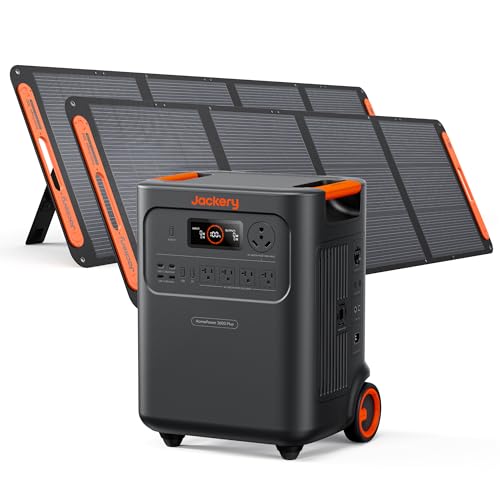
Best for: households needing very high-capacity, expandable power with robust 120/240V options. This unit provides strong continuous power and is designed for long outages or RV-ready setups. Selected for its high output and scalable capacity, it can support demanding loads over extended periods.
Why selected: It delivers 3600W continuous power (7200W surge) with a 3584Wh base capacity and expandable architecture, making it suitable for entire-home backups when paired with additional units. It includes a knock‑out 10-year life expectancy ideals and USB-C/USB-A/AC outlets for versatile charging. A clear choice for reliability in emergencies or off-grid living.
Caution: The higher capacity and parallel expansion may require planning for charging time and space; ensure you have compatible expansion modules and electrical planning for large loads.
Jackery Explorer 1000 v2 (Solar Panel Optional)

Best for: campers, off-grid enthusiasts, and small households needing dependable, mid-size capacity with fast charging. This model is a balanced choice between weight, power, and portability for mobile living.
Why selected: It combines a 1070Wh LiFePO4 battery with 1500W AC output and 100W USB-C, plus a one-hour fast-charge option in certain configurations. The durable LFP chemistry supports long life and durable performance in varied outdoor conditions.
Limitation: While robust, it is less expandable than multi-unit home systems and may require additional units for heavier residential load support during extended outages.
ZeroKor 300W Portable Power Station

Best for: light travel, car camping, and small devices when compact size matters. This unit offers multiple outlets and a foldable solar panel option for quick, on-the-go recharges.
Why selected: With 300W peak output and a built-in solar panel, it supports essential devices like phones, tablets, cameras, and small fans. It is a solid choice when weight and size are primary concerns and you only need a few essential loads.
Caution: The 300W continuous limit may restrict usage for devices with higher startup surges or larger appliances.
OUPES 2000W Solar Generator

Best for: weekend trips, road trips, and emergency backup where higher output is needed and quick recharging matters. Chosen for its fast 36-minute recharge and expandable capacity to handle larger loads.
Why selected: The 2000W pure sine wave output with up to 4500W surge handles heavy devices, and the ability to expand from 1024Wh to 5120Wh supports longer off-grid living. The 36-minute fast charge reduces downtime during trips.
Caution: As capacity grows with expansion, system management and battery care become important to maintain longevity and performance in extreme conditions.
Apowking 200W Peak/100W Rated Solar Generator

Best for: easy portability with basic solar charging, ideal for light camping use and smaller gear recharges with solar panel included.
Why selected: It offers multiple outlets and a 40W panel included, delivering a simple, all-in-one outdoor charging solution. The 146Wh capacity supports essential devices and quick top-ups for short trips.
Caution: Limited runtime for larger electrical loads; suitable mainly for small devices and gradual top-ups rather than sustained power for many appliances.
Buying Guide: Large Portable Solar Generators
- Capacity vs. Runtime: Higher capacity (Wh) provides longer operation between charges. For home backup, aim for 2000Wh+ if you need multiple appliances running together.
- AC Output and Surge: Check continuous and surge watts. A higher surge rating helps start peak-load appliances like refrigerators or power tools.
- Expandability: Some models allow adding extra batteries or units. This is crucial if you anticipate needing more power in the future or for multi-room home backup.
- Charge Speed: Fast charging reduces downtime. Consider AC fast charging, solar input, and optional vehicle charging where available.
- Battery Chemistry: LiFePO4 offers longer life and stability for frequent charging cycles. It’s typically heavier but lasts longer than some alternative chemistries.
- Port Selection: Ensure a mix of AC, USB-C, USB-A, and DC outputs covers your devices. RV-ready models may include TT-30 or other RV power ports.
- Portability: Weight and handle design matter for transportability. Heavier units may be less suitable for frequent moving.
- Reliability and Safety: Look for battery management systems, overcharge protection, and thermal protection to safeguard equipment and users.
FAQs
- What makes a generator “large” among portable solar options?
Answer: It typically means higher capacity (Wh), higher continuous watts, and the ability to expand with extra batteries or multiple units for more total power. - Do LiFePO4 banks last longer than standard lithium in these devices?
Answer: Yes. LiFePO4 cells generally offer more charge cycles and stable performance over a longer lifespan. - Is expandable capacity worth it for home backup?
Answer: Yes, if you want to scale power for longer outages or larger loads without buying an entire new system. - Can these units run a full-size fridge or HVAC?
Answer: Some high-output models can run essential appliances, especially if paired with a high-capacity unit or multi-unit configuration. - Are solar panels included with all models?
Answer: Not all models include solar panels; some list panels separately or offer bundles with optional solar input compatible with their system. - What is the best option for RV use?
Answer: Look for models with RV ports, sufficient continuous watts, and easy integration with 12V systems or shore power as needed.