When weather, outages, or emergencies strike, having a dependable home backup generator is essential. This guide highlights five top options designed to power essential loads during extended outages. Each model supports different fuels, starting methods, and power capacities to help homeowners choose a unit that fits their needs and budget.
| Product | Brand | Power (Peak / Running) | Fuel | Notes |
|---|---|---|---|---|
| Westinghouse 14500 Peak Watt Tri-Fuel Home Backup Portable Generator | Westinghouse Store | 14,500 / 11,500 W (Gas) • 13,500 / 10,500 W (Propane) • 12,000 / 9,500 W (Natural Gas) | Gas / Propane / Natural Gas | Remote start; transfer switch ready; long run times |
| Westinghouse 12500 Watt Dual Fuel Home Backup Portable Generator | Westinghouse Store | 12,500 / 9,500 W (Gas) • 11,200 / 8,500 W (Propane) | Gas / Propane | Remote start; multiple outlets; transfer switch ready |
| Jackery HomePower 3600 Plus Portable Power Station | Jackery | 3600 W AC Output | Battery (Expandable with solar) | High-capacity expandable system; solar option |
| DARAN Portable Power Station 600W | DARAN | 600 W (1200 W peak) | Battery (LiFePO4) | Solar optional; compact emergency option |
| VTOMAN Jump 600X Portable Power Station | VTOMAN | 600 W AC; 299Wh LiFePO4 | Battery | Jump start capability; portable design |
Below is an objective look at five models positioned for different scenarios—from full-home backup with gas or dual-fuel options to portable battery stations ideal for essential loads, camping, or off-grid use. Each product section provides key specs, notable features, and practical considerations to help buyers compare efficiently.
Westinghouse Tri-Fuel Backup Generator

The Westinghouse 14500 Peak Watt Tri-Fuel generator provides robust power for larger homes or remote job sites. It supports three fuels—gasoline, propane, and natural gas—giving flexibility during fuel shortages. With a heavy-duty 550cc 4-stroke OHV engine and a durable cast iron sleeve, it’s designed for prolonged use. Running watts range from about 9,500 to 11,500 depending on the fuel, and the unit can run for extended periods on a full 9.5-gallon tank or a standard 20-pound propane cylinder. Features include remote electric start and transfer switch readiness, aiding seamless home integration during blackouts. Consider fuel availability and noise expectations for your property when planning installation.
Westinghouse 12500 Watt Dual Fuel Generator

This dual-fuel model blends versatility with modern controls. It delivers up to 12,500 peak watts on gasoline and 11,200 peak watts on propane, with running watts around 8,500 to 9,500 depending on fuel. The remote start with a key fob simplifies operation, while the digital hour meter and voltage/frequency readouts help track maintenance. It includes a 6.6-gallon fuel tank with a gauge and multiple outlets, including RV-ready and transfer switch-ready configurations. A long runtime and automatic low-oil shutdown improve reliability, but buyers should verify the compatibility with their transfer switch and local electrical code requirements.
Jackery HomePower 3600 Plus
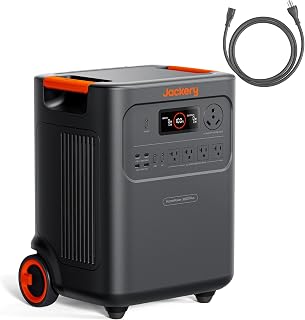
The Jackery HomePower 3600 Plus provides a substantial 3600W continuous AC output with a large 3584Wh LiFePO4 battery pack. It’s expandable to higher capacities (up to around 21kWh with compatible modules) and includes essential AC outlets. This system is well-suited for home use where solar charging is feasible, supporting off-grid or grid-tied backup scenarios. It’s a battery-first approach that emphasizes quiet operation and clean power, useful for sensitive electronics and modern entertainment loads during outages. Note that real-world performance depends on connected devices and solar input if used in off-grid mode.
DARAN Portable Power Station

The DARAN portable unit offers 600W continuous power with a 288Wh LiFePO4 battery. It includes multiple outlets for essential devices and supports fast charging. Solar compatibility is listed as an option, making it suitable for emergency prep kits and off-grid scenarios. The LiFePO4 chemistry provides improved cycle life and safety, though total energy storage is lower than larger station models. Use cases include emergency lighting, small appliances, and charging devices during outages. For extended outages, pairing with solar or additional battery banks can increase usable capacity.
VTOMAN Jump 600X

The VTOMAN Jump 600X is a compact portable power station suitable for light to moderate loads, featuring a 600W continuous AC output and a 299Wh LiFePO4 battery. It includes multiple regulated 12V outputs and a 1200W surge capability, plus a PD 60W USB-C port for fast device charging. This unit is designed for camping, travel, or as a reliable emergency power source. While it doesn’t provide high-capacity home backup, its portability and quick-start capabilities make it an attractive option for powering essential devices during short outages or remote situations. Consider total energy needs and whether expansion or solar charging is part of your plan.
Buying Guide: Key Purchase Considerations
When choosing a home backup generator, consider these critical factors to balance performance, cost, and reliability:
- Power requirements: Compile a list of essential circuits and devices to estimate required watts. Choose a unit with sufficient peak and running watts to handle startup surges.
- Fuel type and availability: Gasoline, propane, natural gas, or battery-based systems each have pros and cons. Dual-fuel options offer flexibility during fuel shortages, while natural gas can provide continuous supply in some homes.
- Run time and tank size: For traditional generators, longer run times reduce refueling frequency. Tank capacity and efficiency depend on load and fuel type.
- Starting method: Remote electric start or push-button start adds convenience during outages. Recoil or manual start can be essential in harsh conditions with dead batteries.
- Transfer switch compatibility: A transfer switch ensures a safe, code-compliant connection to home circuits. Verify compatibility with your electrical system and local codes.
- Outlets and safety: Look for weatherproof outlets, rubber covers, and proper protection for sensitive electronics. GFCI outlets add protection for environments with moisture.
- Noise and footprint: Consider noise levels and footprint if you have close neighbors or limited space. Inverter-based portable units are typically quieter and cleaner in power quality.
- Battery life and chemistry (for power stations): LiFePO4 offers longer cycle life and thermal stability, but total energy capacity matters for prolonged outages.
- Solar integration (for battery stations): If you plan to use solar charging, ensure compatibility with solar panels and the charging speed.
Buying decisions should align with home layout, climate risks, and how quickly you need power restored after an outage. For households with critical loads, a dual-fuel or tri-fuel generator paired with a transfer switch offers versatility. For off-grid readiness, battery-powered stations with solar expansion provide silent operation and modular growth.