If you need reliable power with a 30A RV-ready outlet, these generators provide safe, plug-and-play options for camping, emergency backup, and off-grid use. The top picks below are best suited for RV owners, builders seeking portable power, and homeowners who want a dependable backup during outages. Each model offers a 30A receptacle and a mix of gas, propane, and inverter technology to balance performance and fuel efficiency. Use the quick-reference table to compare key differences at a glance.
| Product | Power Source | Run Time (approx.) | Best For |
|---|---|---|---|
| Westinghouse 4650 Peak Watt Portable Generator | Gas | Up to 14 hours | RV users needing multiple outlets and a TT-30R |
| Westinghouse 2550 Peak Watt Inverter Generator | Gas or Propane | Up to 12 hours (gas) | Quiet, portable power for small loads and emergencies |
| Oxseryn 4400 Watts Inverter Generator | Gas | Up to 14 hours | Open-frame portability with RV-ready 30A outlet |
| PowerSmart 3600-Watt Portable Inverter Generator | Gas | Up to 8 hours | Quiet camping and light home use with 30A option |
| Oxseryn 4400-Watts Inverter Generator (Open Frame) | Gas | Up to 14 hours | Emergency backup with RV-ready 30A outlet |
Westinghouse 4650 Peak Watt Portable Generator
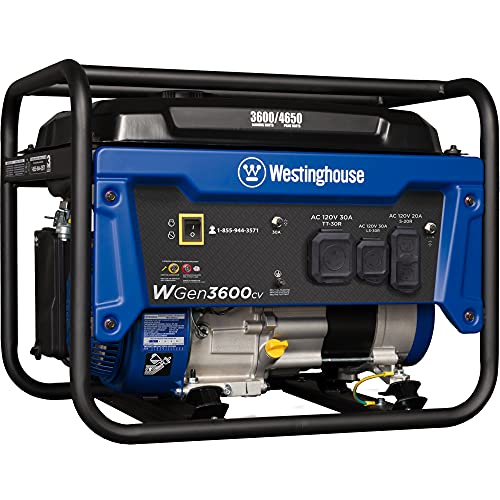
Powerful gas-powered performance with a 30A RV-ready outlet and multiple 120V receptacles. Features a 4-gallon tank with a fuel gauge and long runtime per tank. Recoil start and included starter kit simplify setup. Best for RV setups that require flexible connection options and a dependable power base. Caution: heavier unit; plan for transport and storage when not in use. This model is well-suited for users who need both RV compatibility and a robust power supply for tools and appliances.
Westinghouse 2550 Peak Watt Inverter Generator

This inverter-powered unit prioritizes clean power with low THD and extremely quiet operation. It offers a single RV-ready TT-30R outlet, two 120V outlets, and USB ports. Best for homeowners needing a quiet emergency backup or campers who value fuel efficiency and portability. Limitation: lower peak wattage means you should avoid high-draw appliances at the same time. Choose this if your priority is compact, quiet operation with essential RV access.
Oxseryn 4400 Watts Inverter Generator
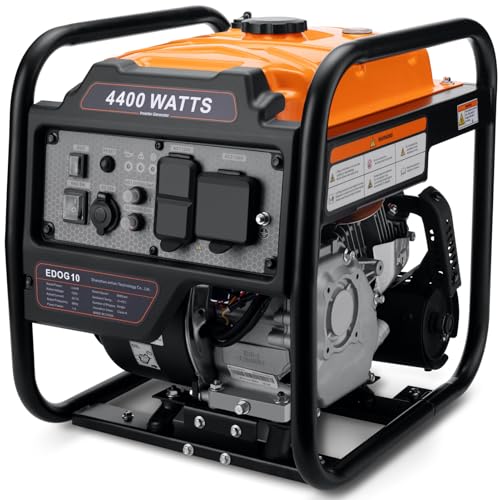
Open-frame inverter with multiple outlets including a 30A RV port. Delivers up to 3400 running watts and 4400 peak watts, with ECO mode for efficiency. Best for RVers and weekend campers who need reliable power while keeping noise and fuel use to a minimum. Caution: open-frame design may expose controls during transport; ensure proper shielding and cover storage when not in use.
PowerSmart 3600-Watt Portable Inverter Generator

Offers maximum 3600 surge watts with stable sine wave power under 3% THD. A practical pick for camping, RV use, and home backup with a 30A suitability. Best for budget-conscious buyers needing substantial power without sacrificing portability. Limitation: runtime is shorter than larger models; plan refueling for extended outages. Choose this for steady, clean power and easier handling in tight spaces.
Oxseryn 4400-Watts Inverter Generator (RV Ready)
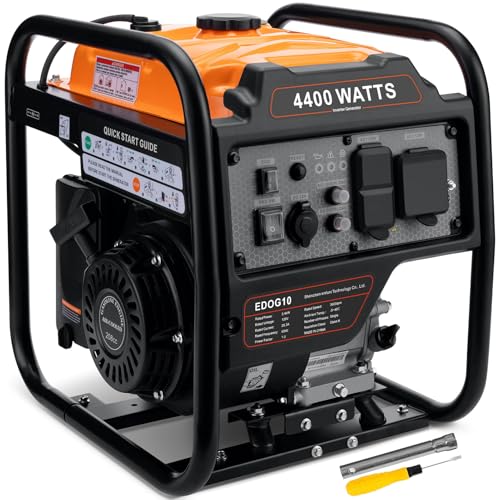
This model emphasizes RV readiness with a 30A outlet and robust energy output. It features inverter technology and ECO mode for efficiency, along with EPA compliance and a 14-hour runtime at 25% load. Best for RV users and home backup where stable, repeatable power is needed. Caution: ensure fuel type compatibility with your location and fueling plans when using propane or gasoline options.
Buying Guide
What should you consider when choosing a 30A generator?
- Power needs: Assess peak vs running watts for your essential appliances and RV appliances. Inverter models excel with sensitive electronics.
- Fuel type and availability: Gasoline is common, but dual-fuel options add flexibility in remote areas.
- RV compatibility: TT-30R receptacle is standard for RV hookups; ensure your RV’s power draw aligns with the generator’s output and outlet configuration.
- Noise and runtime: Inverter units typically run quieter with better fuel economy but may offer shorter runtimes between refuels than traditional open-frame units.
- Portability and storage: Weigh and size influence how you transport, store, and deploy during outages or trips.
- Safety features: Look for CO sensors, low-oil shutdown, and rubber outlet covers for safety during operation and storage.
Frequently Asked Questions
- What defines a 30A RV-ready generator?
Answer: A 30A RV-ready generator includes a TT-30R receptacle rated for 30 amps at 120V, typically used to power an RV’s circuits. - Can I run my RV air conditioner on a 30A generator?
Answer: It depends on the AC’s wattage. A typical RV AC may require 1500-2000 watts or more, so verify the generator’s running watts and surge capacity to avoid overloading. - Is inverter technology worth it for RV use?
Answer: Yes. Inverters deliver cleaner power with lower THD, protecting electronics and allowing stable operation of sensitive devices. - What’s the advantage of dual-fuel options?
Answer: Dual-fuel units can run on gas or propane, increasing flexibility when gasoline isn’t readily available. - How do I estimate runtime?
Answer: Runtime depends on load and fuel tank size. Use running watts and tank capacity to estimate hours, then add a safety margin for outages. - Are these generators suitable for emergencies at home?
Answer: Yes, many models support essential circuits and provide safe, backup power during outages, especially with larger gas-powered or dual-fuel configurations.