Introduction
Power outages can strike storms, grid failures, or emergencies without warning. The following five gas-powered generators offer a range of capacities—from compact portability to whole-house backup—so you can choose the right balance of power, reliability, and convenience. This guide highlights key features, fuel options, and usability considerations to help you compare units and select the best fit for your home and budget.
Summary of chosen products:
| Product | Brand | Fuel Type(s) | Key Strengths |
|---|---|---|---|
| Generac Guardian 10kW | Generac Store | Natural Gas or Liquid Propane | Whole-house protection, remote monitoring, long warranty |
| Aceup Energy 1,200W | Aceup Energy Store | Gasoline | Ultralight portable, EPA & CARB compliant |
| Westinghouse 12,500W Dual Fuel | Westinghouse Store | Gasoline, Propane | Remote start, transfer switch readiness, robust outlets |
| WEN 2,500-Watt Inverter | WEN Store | Gasoline | Quiet operation, clean power for electronics, fuel shutoff |
| Westinghouse 14,500 Peak | Westinghouse Store | Gas, Propane, Natural Gas | Tri-fuel versatility, long run times, large power output |
Generac Guardian 10kW Home Standby Generator

The Generac Guardian 10kW provides automatic, whole-house backup power designed for reliability during outages and storms. It includes a 100 Amp transfer switch and a durable enclosure suitable for outdoor use. Wi-Fi enabled monitoring keeps you informed about status and maintenance from anywhere, helping you act quickly if there’s an issue. This unit is built to handle continuous operation during extended outages, giving homeowners peace of mind when the power grid fails.
Key features to consider include the seamless integration with a full-house transfer switch, weather-resistant housing, and remote monitoring for proactive maintenance reminders. With a 5-year limited warranty, this system emphasizes long-term assurance and dependable performance for years of service.
Aceup Energy 1,200W Gas Powered Generator
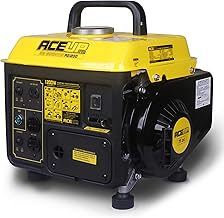
The Aceup Energy 1,200W generator is a compact, ultralight option for basic home power needs. It delivers 1,200 peak watts and 900 running watts, suitable for essential appliances and small electronics. Its 71cc engine keeps weight manageable at about 35.3 pounds, making it easier to move for short outages or camping use. With a standard 120V outlet, a duplex receptacle, and simple recoil start, this unit appeals to users seeking portability and straightforward operation while staying compliant with EPA and CARB standards.
Important considerations include fuel efficiency, noise level, and ease of storage. The unit’s compact design makes it ideal for emergency kits, RVs, or small workshops where only a subset of devices needs power during outages.
Westinghouse 12500 Watt Dual Fuel Portable Generator

Designed for versatility, this Westinghouse dual-fuel unit can run on gasoline or propane, with a peak wattage of 12,500 and running watts around 9,500–11,200 depending on fuel. Features include remote start via key fob, both electric and recoil start options, and a 6.6-gallon fuel tank offering substantial run time. The unit includes a transfer switch-ready configuration and a range of outlets with safety covers to protect against the elements and accidental contact.
When evaluating a unit of this size, consider the balance between run time, fuel costs, and the potential need for a dedicated transfer switch to ready your home for outages. The dual-fuel capability is a major selling point for households seeking flexibility with fuel availability and resilience.
WEN 2500-Watt Inverter Generator

The WEN 2500-watt inverter is a compact option for sensitive electronics and travel-friendly power. It produces up to 2,500 surge watts and 1,900 rated watts with a focus on clean power suitable for devices like smartphones and laptops. An onboard fuel shutoff helps maximize the generator’s lifespan by ensuring it consumes the remaining fuel in the carburetor before shutting down, reducing residue and maintenance needs. Its quiet operation makes it a practical choice for apartments, campsites, or light-duty home backup where noise is a concern.
Consider its power ceiling—this unit excels for essential electronics and small appliances rather than powering an entire home. Its lightweight design and efficient fuel use are strong points for users prioritizing portability and low noise.
Westinghouse 14,500 Peak Watt Tri-Fuel Generator

This Westinghouse tri-fuel unit supports gasoline, propane, and natural gas, offering up to 14,500 peak watts (gas), 13,500 peak watts (propane), or 12,000 peak watts (natural gas). It is designed for larger homes or serious outdoor power needs, featuring an array of outlets with weather protection and a remote electric start. Its heavy-duty engine and durability habits ensure long run times and reliable performance in diverse conditions. The transfer switch readiness makes it a strong candidate for households seeking a robust, flexible power solution.
When sizing for a larger home or workshop, evaluate fuel availability, run-time expectations, and maintenance needs. A tri-fuel model provides flexibility during fuel shortages, but it may involve more maintenance considerations compared with single-fuel options.
Buying Guide: Key Purchase Considerations And Comparisons
Power capacity: Determine whether you need whole-house coverage or essential circuit backup. For larger homes, units with 12,000–14,500 running watts on gasoline can handle more circuits, while smaller homes or apartments may be well served by 2,000–3,000-watt portable models.
Fuel flexibility: Dual- or tri-fuel options add resilience, especially in regions with fuel supply uncertainties. Consider whether you want natural gas, propane, or gasoline, and how easy it is to refuel during an outage.
Transfer switches: A transfer switch protects both your generator and home electrical system. Ensure compatibility with your panel type and the number of circuits you want powered during an outage. For full-house protection, a higher-amperage transfer switch with a larger circuit count is advisable.
Remote monitoring: Wi-Fi or mobile connectivity helps track performance, maintenance needs, and alerts from anywhere. This is particularly valuable for standby generators that run automatically when power is lost.
Portability vs. standby: Portable generators offer lower upfront costs and flexibility but require manual startup and fuel management. Standby generators provide automatic operation and seamless integration but involve higher installation costs and more infrastructure commitments.
Run time and fuel efficiency: Examine the fuel tank size and run-time claims. Longer run times reduce refueling frequency, especially during prolonged outages. Also consider economy modes and engine longevity features like shutdown protections and digital hour meters.
Safety and emissions: Ensure compliance with EPA and CARB standards, particularly for portable units used in residential areas. Quiet operation and weather protection are additional safety and comfort factors.
Warranty and support: A longer warranty reduces long-term risk. Review the transfer switch warranty separately, as this component often has its own coverage terms.
Cost of ownership: Beyond initial price, factor in fuel costs, maintenance, potential transfer switch installation, and resale value if you upgrade later. A higher upfront investment may offer better reliability and convenience over time.