Looking for a reliable gas powered inverter generator that balances power, portability, and quiet operation? This guide highlights five compact yet capable models. It helps you pick the right unit for home backup, RV life, or camping trips. Each product includes who it’s best for and why it stands out, plus practical cautions to consider before buying.
Quick comparison of chosen models
| Product | Peak / Running Watts | Runtime at 25% Load | Best For | Notes |
|---|---|---|---|---|
| Oxseryn Power Equipment 4400W | 4400 / 3400 | Up to 14 hours | RV camping and emergency home backup | Open frame, ECO mode |
| EFURDEN 2800W Quiet | 2800 / 2000 | Up to 10 hours | Home use and light camping | EPA compliant, ECO mode |
| WEN 2350-Watt (56235i) | 2350 / 1900 | Not specified | Portable, sensitive electronics | Ultralight, very quiet |
| Westinghouse 2550 | 2550 / 1900 | Up to 12 hours | Home backup and RV use | Gas or propane, CO sensor |
| Genkins 2300W | 2300 / 1900 | Up to 8 hours | RV and camping | Ultra quiet, LBSC tech |
Note: All models are gas powered and inverter-based for stable waveforms suitable for electronics. This list prioritizes models with practical runtime, low THD, compact weight, and RV or home backup suitability.
Oxseryn Power Equipment 4400W Inverter Generator
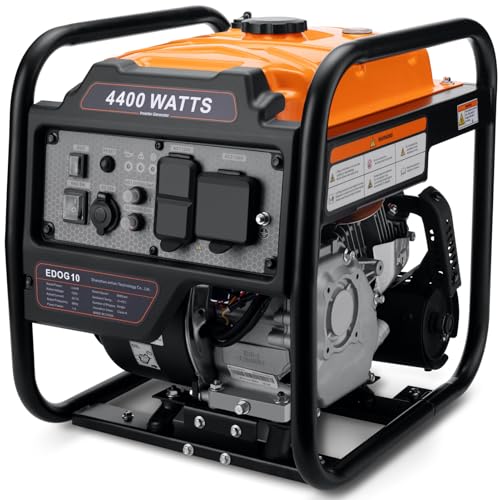
Powerful output: 4400 peak watts and 3400 running watts, suitable for RV camping and home backup. Features multiple outlets: 2x120V AC, 1x12V DC, and an RV port. Long runtime: up to 14 hours at 25% load with ECO mode. The 2-gallon tank with a fuel gauge helps you monitor levels at a glance. Best for: RV enthusiasts and households seeking reliable backup power with extendable run times.
Why selected: This model combines strong output with practical fuel monitoring and ECO efficiency, making it a versatile option for moderate power needs and outdoor use.
Caution: Open-frame designs can be less weather-protected; store and operate in a ventilated area to avoid overheating.
Oxseryn 4400-Watts Inverter Generator, Open Frame
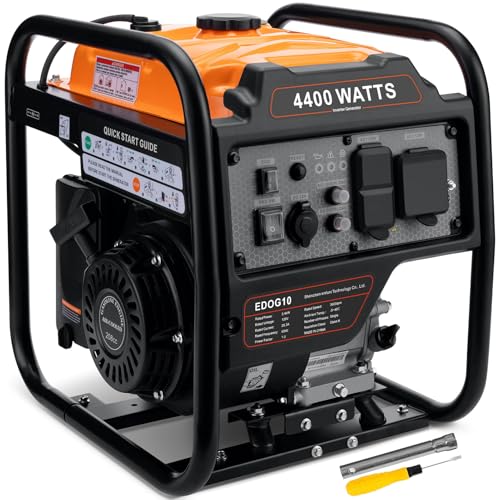
Powerful output mirrors the previous Oxseryn model with similar features: 2x120V, 1x30A RV port, 1x12V DC. Runtime of about 14 hours at 25% load, ECO mode for fuel efficiency, and EPA compliance. Best for: households seeking a robust open-frame unit that can handle RV and home backup demands with flexible outlets.
Why selected: It offers a comparable high output with RV compatibility and an emphasis on economy via ECO mode, useful during extended outages.
Caution: Similar to open-frame designs, ensure protection from the elements and follow ventilation guidelines during operation.
EFURDEN 2800W Quiet Gas-Powered Inverter
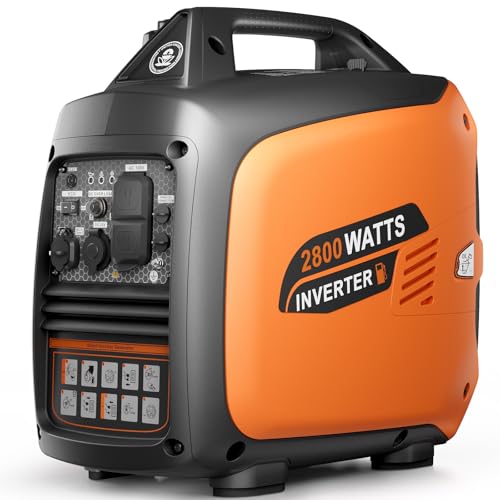
Compact yet capable: 2800 peak watts and 2000 running watts, with a 10-hour runtime at 25% load. Features parallel capability and ECO mode, enabling flexible outdoor or home-use scenarios. Best for: campers and homeowners who want a balance of power and extended runtime in a lightweight package.
Why selected: The combination of ECO mode and parallel capability expands options for powering multiple devices or larger loads while keeping noise and fuel use reasonable.
Caution: Runtime figures vary with load; avoid loading to full capacity for best efficiency and longevity.
WEN 2350-Watt Portable Inverter Generator
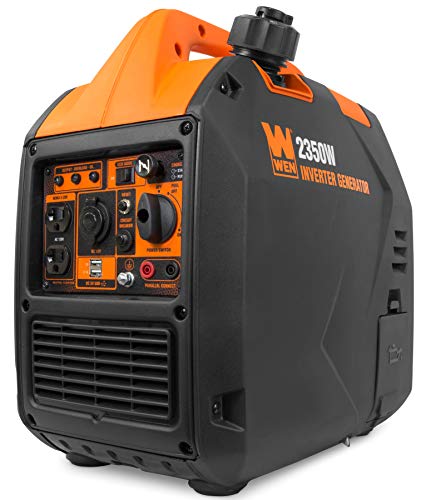
Lightweight and quiet: 2350 surge watts and 1900 running watts, designed for easy transport and safe charging of sensitive electronics. Ultra-quiet operation makes it suitable for residential use and camping. Best for: individuals needing a portable, quiet power source for electronics and small appliances during outages or trips.
Why selected: Its ultralight build and low noise profile make it ideal for backpacking and tight spaces where noise and weight matter.
Caution: Power output is lower than larger models; plan loads accordingly to avoid overload during peak demand.
Westinghouse 2550 Peak Watt Inverter

Balanced performance: 2550 peak watts and 1900 running watts with a CO sensor for safety. Gas or propane powered, with a TT-30R RV outlet and two USB ports, plus two 120V outlets. Best for: home backup and RV setups requiring dual-fuel flexibility and safety features.
Why selected: The CO sensor and dual-fuel capability broaden safety and versatility for varied weather and camping scenarios.
Caution: Higher noise than ultra-quiet models; consider placement away from living areas for comfort during outages.
PowerSmart 4400-Watt Open Frame

High power output and efficiency: 4400 starting watts and 3600 running watts, 1.6-gallon tank with about 11 hours runtime at 25% load. Features Eco-mode and parallel capability for more flexibility. Best for: homeowners needing strong support for home backup and occasional heavy-duty loads during outages.
Why selected: The combination of substantial output and extended runtime in a compact frame supports longer outages with manageable fuel use.
Caution: At higher loads, runtime will decrease; monitor fuel and load to maintain efficiency.
GENKINS 2300 Watt Inverter

Ultra-quiet and efficient: 2300 peak / 1900 running watts with LBSC technology that adjusts engine speed for quieter performance and up to 25% fuel savings. Best for: RVs, camping, and home backup where quiet operation is essential.
Why selected: LBSC smart speed control and compact, quiet operation suit noise-sensitive environments and travel-friendly use.
Caution: Lower maximum power; ensure your essential devices fit within the running watt range to avoid overload.
Buying Guide: Key Purchase Considerations
What power do you actually need?
Determine peak watts for startup of the most demanding device(s) you intend to run. Then choose a model with a comfortable margin (20–40% higher peak watts) to accommodate surges.
How important is noise and portability?
Quiet operation is typically essential for camping and residential use. If you travel often or park near living spaces, prioritize models advertised as quiet and lightweight.
Fuel capacity and runtime matter
Look at tank size and runtime at a common load (often 25%). If you expect long outages, longer runtimes reduce refueling frequency and labor.
Outlets and compatibility
Check outlet configurations: 120V AC, RV ports, USB-C, and 12V DC. Ensure the unit can power your essential devices or appliances directly.
Safety features
CO sensors, low-oil shutdown, and overload protection improve safety during operation. If you’ll run near living spaces, prioritize built-in safety features.
Fuel type and emissions
All models listed use gasoline and are inverter generators with clean power output. EPA compliance or similar standards indicate better emission controls.
Durability and maintenance
Consider frame design (open frame vs. enclosed) and maintenance access. Regular oil changes and air filter cleaning extend life and reliability.
FAQ
- What does THD mean and why does it matter? Total Harmonic Distortion (THD) measures how clean the power is. A THD below 3% is generally safe for sensitive electronics.
- Is a larger engine always better for an inverter generator? Not necessarily. Inverter efficiency and load control matter more for runtime and fuel use; a larger engine may consume more fuel at light loads.
- Can I run an inverter generator indoors? No. Always operate in a well-ventilated area and follow the safety guidelines to avoid carbon monoxide buildup.
- What is the advantage of ECO mode? ECO mode optimizes fuel usage by adjusting engine speed to match the load, extending runtime and reducing noise.
- Do inverter generators run quietly at full load? They remain relatively quiet compared to traditional open-frame generators, but noise increases with load; plan accordingly for neighbor-friendly operation.
- Should I parallel two units? Paralleling can increase total available power for larger loads. Check compatibility and parallel kit requirements for the models you consider.