Gas-powered backup generators provide reliable electricity during outages and away from main power sources. This guide features five top-rated models that balance power, portability, and run-time. Each product highlights essential specs, fuel efficiency, and suitability for home backup, RV trips, and emergency power needs. Compare features, noise levels, and wattage to determine which generator best fits your energy requirements and living situation.
| Product | Wattage (Peak / Running) | Approx. Runtime at 25% Load | RV Ready / Special Features |
|---|---|---|---|
| Power Equipment 4400W Inverter Generator (Oxseryn) | 4400 / 3400 W | Up to 14 hours | RV port, ECO mode |
| 4400-Watts Inverter Generator (Oxseryn) | 4400 / 3400 W | Up to 14 hours | RV port, ECO mode, EPA compliant |
| A-iPower 4600W RV-Ready | 4600 / 3600 W | Noted runtime varies by load | CO sensor, inverter tech |
| Westinghouse 12500W Dual Fuel | 12500 / 11250–8500 W | Up to 12 hours | Remote electric start, transfer switch ready |
| ERAYAK 4500W Portable Inverter | 4500 / 3500 W | Quoted with inverter efficiency | Eco Mode, compact and quiet |
Power Equipment 4400 Watts Inverter Generator

The Power Equipment 4400 Watts Inverter Generator combines solid peak output with convenient portability. With 3400 running watts and a 2-gallon tank, this model is suitable for RV enthusiasts and home backup scenarios. It features multiple outlets including 2x 120V AC ports and a 12V DC port, plus an RV connection for camping setups. A fuel gauge helps track remaining supply, and ECO mode optimizes efficiency for longer runtimes. The unit is designed for lower noise operation and easier weekend power needs without sacrificing essential power.
4400-Watts Inverter Generator with RV Outlet
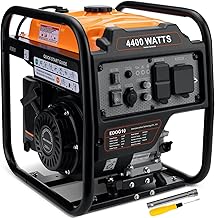
This variant also delivers 4400 peak watts and 3400 running watts, designed for emergency home backup and RV use. It includes a 30A RV port in addition to standard 120V outlets and a 12V DC port. With a 2-gallon fuel tank and ECO mode, it aims to balance power readiness with fuel efficiency. Inverter technology provides clean power suitable for sensitive electronics, while overload protection contributes to safe operation during outages or travel.
A-iPower 4600W RV-Ready Inverter Generator
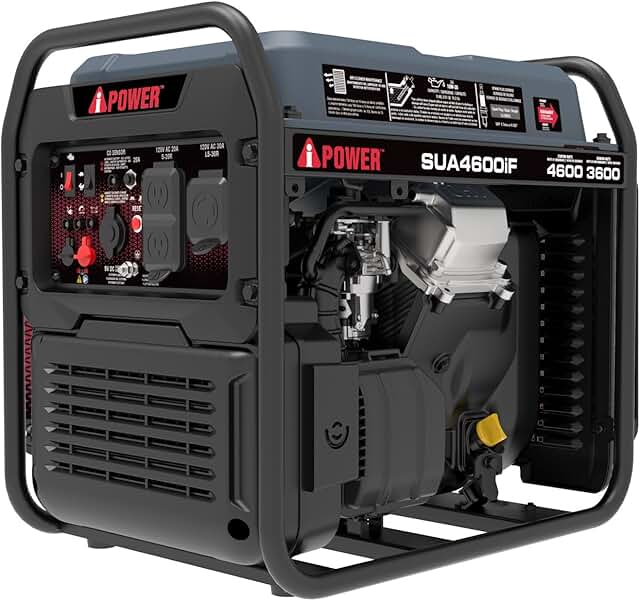
Powerful 4600 starting watts and 3600 running watts support a wide range of RV appliances and home backup needs. The generator is notably lightweight at 56 lbs, aiding portability for camping and off-grid use. Inverter technology provides a clean 3% THD output, making it suitable for laptops, TVs, chargers, and other sensitive electronics. The unit’s portability and stable power output make it a practical choice for travelers and campers who require reliable electricity on the go.
Westinghouse 12500W Dual Fuel

Westinghouse’s 12500W dual-fuel portable generator offers substantial power with extending run times. It supports gasoline and propane, enabling flexibility for longer outages or fuel availability. Remote electric start, transfer switch readiness, and a large 6.6-gallon fuel tank with a fuel gauge contribute to ease of operation. The unit delivers high peak watts for motorized loads and heavy-duty appliances, along with a comprehensive set of outlets, including RV and household configurations. It is designed for dependable home backup and remote work sites that demand peak power when needed.
ERAYAK 4500W Portable Inverter

The ERAYAK model delivers 4500W peak and 3500W running power with inverter technology for clean, stable electricity. It emphasizes quiet operation, with Eco Mode helping to optimize fuel usage and reduce noise levels—an important factor for campground and residential settings. The compact design prioritizes portability, making it suitable for tailgating, camping, and small home backup tasks. This unit aims to balance power delivery with ease of transport and user-friendly operation.
Buying Guide: Key Purchase Considerations
- Power needs: Match peak and running watts to the devices you plan to run. Consider future needs like a refrigerator, sump pump, and essential electronics.
- Fuel type and availability: Gasoline engines are common, but dual-fuel options offer propane compatibility for longer outages. Check tank size and expected runtime at typical loads.
- Portability vs. capacity: Open-frame and inverter generators vary in weight and ease of transport. Weigh the need for mobility against total wattage and run time.
- Inverter technology and clean power: Inverter generators provide stable, clean power suitable for sensitive electronics. Look for low total harmonic distortion (THD) specs where available.
- Noise level: Quiet operation matters for campgrounds and neighborhoods. ECO or smart-mode features help reduce noise and conserve fuel at lower loads.
- Outlets and RV compatibility: Ensure sufficient outlets (120V, 30A RV, etc.) and check for transfer switch readiness if you plan to connect to a home panel.
- Start method and controls: Remote start or electric start can add convenience; recoil starts may be sufficient for occasional use and backups.
- Maintenance and safety: Look for automatic low-oil shutoff, hour meters, and CO sensors where applicable to protect equipment and users.
- Warranty and support: Consider model availability, parts, and manufacturer support in your region for long-term reliability.