Foam generators for concrete are useful tools for creating lightweight, foamy textures in construction, repair, and decorative applications. This guide highlights five top products that help generate dense, stable foam for marking, spraying, and culinary-inspired demonstrations. Each option offers different strengths, from simple powder-based foams to durable, food-safe foam sectors, enabling varied workflows and environments.
| Product | Brand | Key Use | Notes |
|---|---|---|---|
| Drexel F.M 160 Foam Maker | Marking and general foam applications | Visible white foam; works with varied water conditions | |
| Dr.Party Single Foam Powder Pack | Partymachines Store | Large-volume foam for events | Easy to mix; compatible with foam cannons |
| DUEBEL Molecular Gastronomy Foam Generator (two options) | DUEBEL Store | Food-safe foaming in culinary settings | Stainless steel components; rapid, dense foam |
| VERNUOS Fiberglass for Concrete | Reinforcement and anti-seepage | Standard cement and mortar support material |
In the sections that follow, each product is examined for practicality, compatibility with common foam workflows, and how its features translate into real-world performance on concrete sites or related tasks. The aim is to equip builders, landscapers, and hobbyists with objective guidance for selecting a foam generator that matches their project scale and safety needs.
Drexel F.M 160 Foam Maker
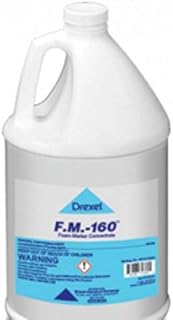
The Drexel F.M 160 Foam Maker produces a dense, readily visible white foam suitable for marking applications in agriculture and general cultivation. Its performance accommodates a range of water hardness and humidity levels, enabling consistent foam output across varying field conditions. This makes it useful for projects that require clear visual markers or temporary foam-based indicators on concrete surfaces during curing, sealing, or joint-sealing workflows.
Key considerations include its ability to generate stable foam without rapid degradation in outdoor environments and its compatibility with standard marking procedures. For professionals who need quick setup and straightforward operation, the F.M 160 offers reliability and predictable foam density, helping teams maintain consistent visuals on concrete substrates.
Dr.Party Single Foam Powder Pack

The Dr.Party Single Foam Powder Pack is designed for high-volume foam generation, capable of delivering up to 120 gallons of foam in minutes. The product is presented as an easy-to-use option that mixes with water to create immediate foam ready for distribution via foam cannons or machines. Its packaging supports quick preparation in party or event settings, where rapid, scalable foam is advantageous for demonstrations or outdoor projects that benefit from a conspicuous foam presence on concrete surfaces.
From a practical standpoint, this option emphasizes convenience and versatility. It may suit contractors or landscapers who perform occasional foam-marking tasks or temporary decorative applications on concrete. Users should verify compatibility with their existing foam equipment and ensure proper handling of the organic and dermatologically approved components for safe application in occupied spaces.
DUEBEL Molecular Gastronomy Foam Generator

The DUEBEL Molecular Gastronomy Foam Generator is designed for culinary applications but also serves as a robust foam generator for scientific and decorative uses on concrete projects. It features rapid foam generation and a stable, dense foam profile, with a focus on using lecithin to create voluminous foams in seconds. The device employs a stainless-steel airstone and food-safe components to ensure safe contact with edible or decorative substances, preserving flavor and texture while maintaining convenient cleanup and durability for repeated use in workshop settings.
Strengths include its ability to deliver fast, dense foam with long-lasting foam stability, making it suitable for demonstrations, instructional sets, or marking tasks that require a prominent foam presence. Potential users should assess whether the culinary-oriented design aligns with their safety standards and whether the equipment can withstand typical construction environments where dust and moisture are factors.
DUEBEL Portable Foam Generating Kit

This portable kit mirrors the capabilities of the countertop version with the added benefit of powered operation via dry batteries. It emphasizes density and stability of the foam, making it appropriate for on-site demonstrations, temporary markers, or field-based decorative applications on concrete surfaces. The kit highlights practical portability, allowing operators to move between job sites without sacrificing output quality.
Considerations include battery life, foam consistency with lecithin or other foaming agents, and how well the kit pairs with existing mixing approaches. For teams that require mobility and flexibility, the portable option offers a balance of performance and convenience, particularly when working on large concrete projects where stationary equipment is impractical.
VERNUOS Fiberglass Reinforcement For Concrete

The VERNUOS fiberglass product is designed for cement and concrete reinforcement, offering anti-seepage and anti-cracking capabilities within wall and structural applications. While not a foam generator itself, its inclusion complements foam-based workflows by supporting overall concrete integrity during curing, marking, or surface treatment processes. The specified 3/4 inch (19 mm) strands provide ample coverage for substantial projects, contributing to long-term durability and resistance to environmental stresses on concrete structures.
From an equipment-planning perspective, this product is a practical adjunct when foam projects occur as part of broader concrete finishing or restoration work. It’s advisable to assess how this reinforcement material integrates with foam-based marking methods and whether its application timing aligns with foam treatment steps for optimal results.
Buying Guide
Foam generation on concrete surfaces requires attention to foam density, stability, and safety. Buyers should consider who will operate the device, the scale of the project, and whether the foam needs to be food-safe, bio-based, or simply visible for marking or decorative effects. Below are key purchase considerations and comparisons to help choose the right option.
- Output density and stability: For marking or showing foam trails on concrete, denser foams with longer-lasting bubbles are preferable. Culinary-style generators are often capable of dense foams, but construction-focused devices emphasize outdoor durability and quick setup.
- Ease of use: Powder packs and portable kits appeal to non-technical users, while integrated foam makers provide turnkey operation for professional crews. Consider the time needed to mix, calibrate, and clean after use.
- Material compatibility: Food-safe components are essential for culinary or client-facing demonstrations. For general construction, durable plastics and corrosion-resistant parts ensure longer service life.
- Portability vs. capacity: Large-volume foam capabilities suit events and large surfaces, whereas compact devices suit tight job sites or on-site demonstrations. Weigh the need for mobility against the required foam output.
- Maintenance and safety: Look for stainless-steel interfaces or food-contact materials in devices that come into contact with liquids or additives. Ensure easy cleaning, especially when switching between foaming agents.
- Integration with existing tools: Check compatibility with foam cannons, sprayers, or other equipment already used on the site. Some kits are designed to work with standard connectors and hoses, reducing setup time.
- Environmental conditions: Outdoor humidity and wind affect foam drift and visibility. Choose devices designed for outdoor performance if used on exterior concrete surfaces.
For concrete tasks that require reinforcement or sealant compatibility, pairing foam-generated workflows with materials such as fiberglass reinforcement can improve long-term outcomes. When evaluating options, compare output capabilities, maintenance needs, and operator requirements to select a solution that aligns with both technical goals and safety standards.