When outages or off-grid needs arise, reliable portable power stations deliver essential electricity. This guide reviews five top-rated emergency electric power generators, highlighting capacity, recharge speed, and versatility for home backup, camping, and remote work. Each option balances portability with performance, helping you choose the right model for your situation.
| Product | Approximate Battery | Output (AC) | Key Strength |
|---|---|---|---|
| Anker SOLIX C1000 Gen 2 | 1,024Wh LiFePO4 | 2,000W | Ultra-fast recharge |
| Jackery Explorer 300 | 293Wh | 300W | Lightweight and portable |
| GROWATT Infinity 2000 | 2,048Wh | 2,400W | Expandable with extra batteries |
| Jackery Explorer 1000 v2 | 1,070Wh | 1,500W | Fast 1-hour recharge option |
| Anker SOLIX C300 | 288Wh | 300W | Highly portable with multiple ports |
Anker SOLIX C1000 Gen 2 Portable Power Station
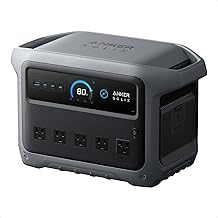
The Anker SOLIX C1000 Gen 2 delivers 2,000W of continuous power with a 3,000W peak, backed by a 1,024Wh LiFePO4 battery. It supports UltraFast recharge at up to 1,600W, enabling full recharge in about 49 minutes in outage-prep scenarios. Its compact design makes it easier to move between rooms, an RV, or outdoor spaces. Ideal for a home backup setup, flexible camping, or remote work during outages, it powers multiple devices simultaneously across ten ports.
Jackery Explorer 300 Portable Power Station

The Explorer 300 offers a compact 293Wh lithium battery and 300W continuous power. It recharges quickly, with wall outlet and 60W PD USB-C input options. Weighing about 7.1 pounds, it’s highly portable for outdoor activities or small backup needs. Two AC outlets plus multiple USB and car-port options enable charging several devices at once, including laptops, cameras, and small drones, making it a solid pick for weekend trips and emergency use.
GROWATT Infinity 2000 Portable Power Station

The GROWATT Infinity 2000 centers on a 2,048Wh LiFePO4 battery and a robust 2,400W continuous output (with higher peaks via Watt+). It supports scalable expansion to 6kWh with additional batteries, making it suitable for longer outages or off-grid living. Fast recharge times—about 1.6 hours via AC, 2.3 hours via solar—keep it ready for travel or emergencies. It includes dedicated ports for RV use and heavy-duty devices, ensuring broad compatibility with appliances and outdoor gear.
Jackery Explorer 1000 v2 Portable Power Station

Explorer 1000 v2 blends power and longevity with 1,070Wh and 1,500W continuous output. It features a rapid 1-hour fast charging option, activated via the Jackery app, and an extended 10-year lifespan thanks to a durable LiFePO4 battery that holds over 70% capacity after thousands of cycles. It supports charging multiple devices, including essential home appliances, laptops, and cameras, making it a versatile choice for emergencies, RV trips, and off-grid living.
Anker Portable Power Station SOLIX C300

The SOLIX C300 provides 288Wh and 300W continuous output, with 140W two-way fast charging. It features multiple ports: three AC outlets (total 300W), a car socket, two USB-C ports, one USB-C, and a USB-A. This model emphasizes portability, weighing less and packing substantial versatility for on-the-go power needs. It is well-suited for quick weekend trips, small devices, and emergency power where space is a priority.
Buying Guide: Key Purchase Considerations
Capacity and power output: Choose a capacity sufficient for your essential devices. For home backup, aim for 1,000–2,500Wh with sustained output in the 1,000–2,000W range to handle refrigerators, routers, and lighting.
Recharge speed and methods: Fast recharge reduces downtime. Look for HyperFlash-style fast recharge or 1-1.5 hour top-ups via AC, plus solar or car charging as backup options.
Portability: If you’ll move the unit between rooms, cars, or a camper, lighter and smaller models with a carry handle are advantageous. Note the trade-off between weight and total capacity.
Battery chemistry and longevity: LiFePO4 batteries offer stability and longer life cycles. Higher cycles translate to longer-lasting power for repeated outages and frequent use.
Expandability: Some systems allow adding extra batteries to scale capacity for longer outages or bigger energy needs. Consider future plans and compatibility when evaluating expandability.
Port selection: A versatile mix of AC outlets, USB-C PD, USB-A, and car ports supports a wide range of devices from laptops to small appliances. Ensure the ports align with your devices.
Outdoor readiness and safety: Look for rugged builds, overcharge protection, and smart app controls that monitor health and charging status. A portable unit should be reliable in both home and outdoor environments.
Software and ecosystem: Some brands offer companion apps for real-time monitoring, firmware updates, and remote control. Consider how the ecosystem fits your other devices and routines.
Warranty and support: A solid warranty and accessible customer support help address potential defects or questions during use. This is a practical factor for emergency equipment.
These options cover a spectrum from ultra-portable to expandable systems designed for longer outages. When selecting, align capacity, weight, and charging speed with your typical needs—whether you’re preparing for winter storms, camping trips, or off-grid living.