When securing home power, a reliable generator delivers peace of mind during outages and extreme weather. This guide highlights five robust options suitable for residential backup, including a dependable diesel portable generator and strong multi-fuel and gas models that many homeowners rely on for storm preparedness and remote living. Each section provides a concise overview, standout features, and practical considerations to help you compare performance, fuel flexibility, run-time, and installation needs. Use the buying guide at the end to refine your choice based on your home size, fuel availability, and maintenance expectations.
Summary Of Chosen Products
| Product | Brand | Key Strength |
|---|---|---|
| Generac 6864 XD5000E | Generac | Diesel-powered, long runtime, low THD |
| Westinghouse 28000 Peak Watt Tri-Fuel | Westinghouse | Tri-fuel flexibility, high peak power |
| Westinghouse 12500 Watt Dual Fuel | Westinghouse | Dual-fuel versatility, transfer-ready outputs |
| Generac Guardian 24kW | Generac | Automatic standby, WiFi monitoring |
| Honeywell 22kW | Honeywell | High power with clean power features |
Generac XD5000E Diesel-Powered Portable Generator
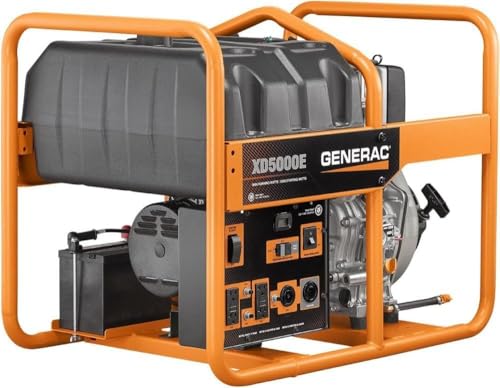
The Generac XD5000E is a diesel-powered portable generator designed for emergency backup and job sites. Its rugged steel frame includes an integrated lifting eye for easy transport and secure placement. The unit delivers clean and smooth operation with only 6% total harmonic distortion, making it suitable for powering tools, appliances, and sensitive electronics. With a large 12-gallon diesel fuel tank, it can run for approximately 32.4 hours at 50% load, reducing refueling interruptions during extended outages or remote work scenarios. This model prioritizes durability, portability, and reliable power delivery in demanding environments.
Key considerations include ensuring proper diesel fuel availability, secure storage, and compliance with local emissions and generator placement guidelines. The XD5000E’s extended runtime is a strong advantage for areas prone to outages, while the robust frame supports frequent transport to job sites or cabins. Typical use cases cover home backup in rural areas, rural off-grid homes, and professional work sites where dependable diesel power is essential.
Westinghouse 28000 Peak Watt Tri-Fuel Home Backup Portable Generator

Westinghouse’s tri-fuel model delivers substantial backup power for larger homes. It offers gasoline, propane, and natural gas compatibility, extending versatility for different fuel availabilities. The unit provides up to 28,000 peak watts and 20,000 running watts on gasoline, with strong performance across alternative fuels. It supports long run times on a sizable fuel tank and includes multiple outlets, transfer-switch readiness, and a digital readout for real-time performance data. Features such as automatic low-oil shutdown and a heavy-duty engine help maintain reliability under heavy loads and extended outages.
For homeowners evaluating a flexible backup solution, this model shines in larger households or properties where gas outlets or propane supply are readily available. When choosing a tri-fuel generator, consider the cost and availability of alternate fuels in your area, the required transfer switch setup, and the noise levels during operation in residential neighborhoods.
Westinghouse 12500 Watt Dual Fuel Home Backup Portable Generator

This Westinghouse dual-fuel portable generator provides strong performance for home backup with two fuel options. Gasoline operation yields up to 12,500 peak watts and 9,500 running watts, while propane shifts these figures to 11,200 peak and 8,500 running watts. It includes a remote start, multiple outlets, and transfer-switch readiness. The unit’s 6.6-gallon fuel tank supports up to approximately 12 hours of runtime at moderate load, making it a practical choice for outages that last through the day or into the next night.
Consider this model if you value fuel flexibility and an accessible remote start feature. When planning installation, account for exhaust management, weather resistance, and storage for multiple fuel types. The presence of a digital hour meter and voltage/frequency readouts helps monitor performance during extended outages.
Generac Guardian 24kW Home Standby Generator

The Generac Guardian 24kW home standby generator is engineered for automatic whole-house backup with a 200 Amp SER transfer switch and an outdoor aluminum enclosure. This model provides reliable power protection during storms and outages and includes Remote Monitoring via Generac’s Mobile Link Wi-Fi connectivity, enabling performance tracking and maintenance alerts from anywhere. A 5-year limited warranty supports long-term reliability, and the integrated transfer switch ensures seamless switching to standby power when grid power fails. This solution is ideal for larger homes seeking continuous power without manual intervention.
When evaluating standby generators, assess installation requirements, such as natural gas or propane supply, permit considerations, and the space needed for the outdoor enclosure. Wi-Fi monitoring and remote status updates can significantly reduce the hassle of outage management and maintenance planning over the generator’s lifespan.
Honeywell 22kW Home Standby Generator

Honeywell’s 22kW standby generator emphasizes clean power delivery with PrecisionPower Technology, delivering less than 5 percent total harmonic distortion for smoother operation of electronics and appliances. The G-Force Engine is purpose-built for reliability and reduced maintenance, while Quiet-Test Self-Test Mode provides a longer, quieter, fuel-efficient testing routine. This combination makes it a strong option for homeowners prioritizing power quality and quieter operation during tests and outages.
Key decision factors include the cost of installation, fuel supply (natural gas or propane), and long-term maintenance needs. Quiet-test features can minimize neighborhood disturbance, and the focus on power quality helps protect sensitive electronics in modern homes.
Buying Guide: Key Purchase Considerations For Home Backup Power
- Power needs and sizing: Estimate your total wattage by listing essential circuits and high-demand appliances. A larger home may require 16–24 kW standby units, while smaller homes can work with portable models in the 4–12 kW range.
- Fuel type and availability: Diesel offers extended runtimes and robustness for heavy-duty use, but requires diesel storage and more complex maintenance. Gasoline, propane, and natural gas each have advantages in availability, cost, and emissions. Tri-fuel or dual-fuel options add flexibility when fuel sources vary.
- Standby vs. portable: Standby generators automatically start during outages and connect via a transfer switch, ideal for whole-house protection. Portable generators are flexible and portable but require manual operation and wiring safety considerations for permanent setups.
- Transfer switch and integration: A transfer switch isolates the home from the grid and safely routes power to your circuits. Ensure compatibility with your existing electrical panel and consider automatic vs. manual controls.
- Noise, emissions, and local regulations: Check noise levels in decibels for residential areas and verify emissions compliance, especially for diesel units. Local permitting may apply to standby installations and venting requirements.
- Maintenance and upkeep: Consider service availability, routine oil changes, filter replacements, and the ease of obtaining parts. Longer warranties and remote monitoring can reduce maintenance headaches.
- Installation space and safety: Plan for proper ventilation, exhaust routing, and setback distances from living spaces. Outdoor enclosures should be weather-rated and properly grounded.
- Warranty and support: Look for units with robust warranties (5-year minimum is common) and accessible customer support to minimize downtime after outages.
In assessing diesel and other fuel-powered home backup options, weigh run-time, fuel logistics, and the level of automation you desire. Diesel generators excel in durability and longer runtimes in demanding scenarios, while tri-fuel and dual-fuel models offer flexibility where fuel markets or supply chains change. The right choice balances your home’s size, fuel availability, and how you prefer to manage maintenance and monitoring during outages.