If you need reliable backup power for a home or small business, a diesel or dual‑fuel generator is a practical choice. Diesel models tend to run longer between refuels and offer strong torque for heavy loads, while dual‑fuel units provide flexibility during outages when gasoline is scarce. This guide highlights five top options, explaining who they’re best for and why, with clear, comparison‑friendly details to help you choose the right fit.
Buyer intent table (selected products):
- Generac XD5000E: Best for demanding power needs and job sites requiring sturdy portability.
- Westinghouse 12500W Dual Fuel: Best for mid‑to‑large homes needing flexible fuel options and remote start.
- DuroMax XP13000EH: Best for whole‑home backup with dual‑fuel convenience and strong performance.
- Westinghouse 14500 Peak Tri‑Fuel: Best for larger homes or prolonged outages with multiple fuel choices.
- DuroStar DS13000MX: Best for users seeking reliable dual‑fuel power with safety features.
Generac XD5000E 5000-Watt Diesel-Powered Generator
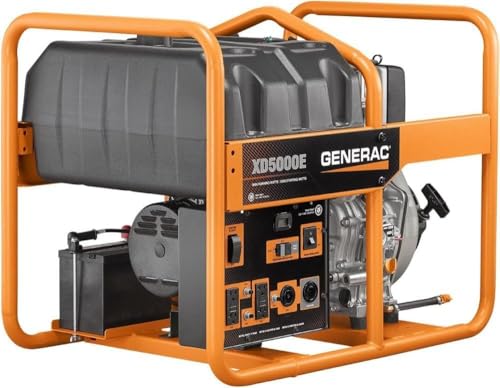
This diesel unit is built for rugged use with a sturdy steel frame and integrated lifting eye, making transportation and secure placement straightforward on jobsites or in homes needing reliable backup. It delivers clean and smooth operation with only 6% total harmonic distortion, which helps protect sensitive electronics and household appliances. A 12‑gallon tank yields extended runtimes up to about 32.4 hours at 50% load, reducing refueling interruptions during extended outages.
Best for: households or small contractors who demand robust power with long run times and portability, plus a system tolerant of sensitive electronics. Use this if you want a diesel backbone that’s easier on continuous operation and heavy loads. Caution: heavier than typical portable units; ensure proper storage and ventilation in tight spaces.
Westinghouse 12500 Watt Dual Fuel Home Backup Generator

This model offers 9500 running watts and 12500 peak watts on gasoline, with 8500 running and 11200 peak watts on propane. It includes a remote start, electric and recoil start options, and up to around 12 hours of runtime on a 6.6‑gallon tank. Outlets include multiple 120V and 120/240V configurations, making it ready for home transfer switches and RV use. It’s a solid choice for medium‑to‑large homes that want flexible fueling and modern digital readouts.
Best for: homeowners who want convenient remote start and a broad range of outlets for whole‑home support, especially when propane is a preferred fuel. Better for: scenarios requiring dependable power for longer outages without frequent refueling. Limitation: dual fuel efficiency can vary with fuel type and load.
6KW Diesel Generator (Energypac Systems)
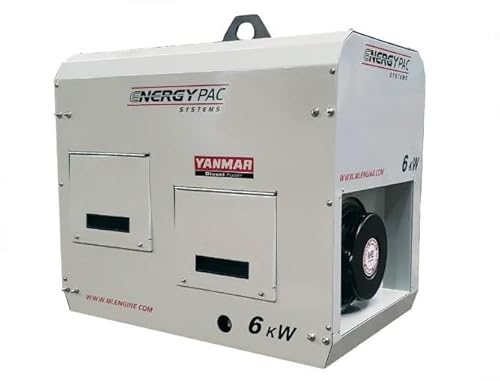
This model centers on heavy‑duty diesel performance with a Yanmar L100 engine and a compact 3.5‑gallon fuel tank offering about 8 hours of run time. It includes a roll bar skid frame, 12V DC charging, and a keypad/low oil shutdown system as part of its control panel. This unit is useful for contractors and homeowners who prioritize rugged build and immediate electric start capability with a compact footprint.
Best for: users who need a compact diesel generator with reliable start and robust protection features. Choose this if you want a strong industrial‑grade base for job sites or home power backup. Caution: fuel capacity is modest, so plan refueling for longer outages.
DuroMax XP13000EH 13,000‑Watt Dual Fuel

This dual‑fuel powerhouse provides 13,000 watts of power for whole‑home backup and transfer‑switch readiness. It leverages DuroMax’s dual‑fuel technology, allowing operation on gasoline for maximum power or propane for longer burn times and cleaner emissions. A core feature is a strong engine designed for long‑term power needs, with electric start for quick activation during outages.
Best for: homes that require full‑home backup capability with fuel flexibility and a quick electric start. Better for: emergencies where fuel availability may shift between gasoline and propane. Limitation: dual‑fuel efficiency and performance can vary by fuel type and quality.
Westinghouse 14500 Peak Watt Tri‑Fuel
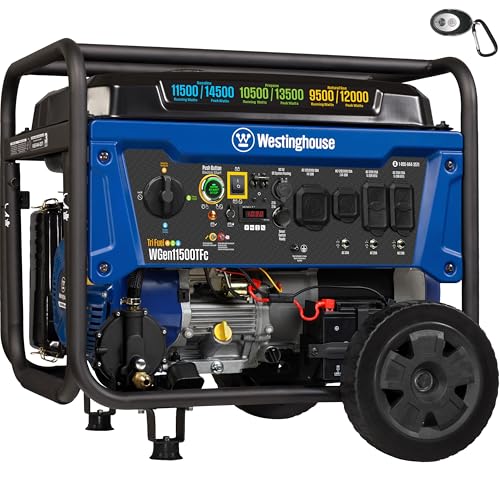
This tri‑fuel option adds natural gas compatibility to the mix, running on gasoline, propane, or natural gas. It operates with a 550cc OHV engine and a nine‑plus hour runtime on a 9.5‑gallon tank. It’s designed for larger homes or prolonged outages, with built‑in gauges and multiple outlets for versatility. It suits users who want fuel resilience and extended runtime in one package.
Best for: larger homes or properties needing long‑lasting power with multiple fuel choices, including natural gas. Choose this if you want maximum fuel flexibility. Caution: natural gas connections require proper installation, and not all outlets may be needed for small power loads.
WEN 5600‑Watt Portable Generator (CO Shutdown)

The WEN GN5602X combines ample starting power with a 224cc engine, electric start, and a carbon monoxide shutdown sensor for enhanced safety. This unit is compact yet capable of handling essential household circuits during outages. It’s a practical option for smaller homes or apartments needing a reliable backup without heavy investment.
Best for: smaller homes or apartment setups where safety features and ease of use are priorities. Better for: users who want a budget‑friendly, easy‑to‑start generator for essential loads. Limitation: 5600 starting watts may require load management on larger homes during outages.
Generac 12,500 Starting Watt Tri‑Fuel Portable Generator

This Generac model delivers 9,500 running watts and 12,500 starting watts across gasoline, propane, or natural gas. It includes an electric start with a rechargeable battery, and a 7.5‑gallon steel fuel tank for extended runtimes at half load. The unit is designed for home backup, with CO sensors and 49‑state compliance considerations baked in.
Best for: homeowners seeking high power with fuel flexibility and a user‑friendly electric start. Choose this if you want reliable backup that can switch fuels to match availability. Caution: upfront size and weight require proper placement and ventilation.
Buying Guide: Key Considerations For Home Backup Power
- Power needs: Assess essential circuits versus whole‑home load. Match starting watts to your critical appliances (fridge, furnace, well pump) and plan for simultaneous loads.
- Fuel type and availability: Diesel offers long runtimes and efficiency; dual‑fuel units provide flexibility when gasoline or propane is scarce; natural gas is convenient when connected to a home line on tri‑fuel units.
- Run time and fuel capacity: Look for tank size and runtime at typical load. Consider extended operation needs during outages and how refueling might affect continuity.
- Start method: Electric start is convenient, especially in cold conditions. Recoil starts are simpler but require manual effort.
- Outlets and transfer readiness: Ensure the generator provides the right outlets and is compatible with a home transfer switch or a stand‑alone backup plan.
- Portability vs. permanent installation: Wheels, lifting points, and frame design affect mobility; assess storage space and ventilation requirements.
- Safety features: CO sensors, automatic shutdowns, and rugged enclosures reduce risk during operation.
Frequently Asked Questions
- What is the difference between running watts and starting watts?
– Running watts measure continuous power; starting watts account for surge power needed by motors when starting. - Is a diesel generator better for home backup than a gasoline generator?
– Diesel engines typically provide longer run times and higher efficiency under heavy loads, with better durability; gasoline units are common and often lighter and easier to service. - Do I need a transfer switch for a home backup generator?
– A transfer switch simplifies connecting a generator to your home’s electrical system and improves safety by isolating it from the utility grid. - Can I use a dual‑fuel generator with any fuel?
– Dual‑fuel models are designed to handle gasoline and an alternate fuel (propane or natural gas). Availability and gas quality affect performance and runtime. - What safety features should I look for?
– Look for CO sensors/shutdown, over‑load protection, automatic low oil shutdown, and sturdy enclosures for safe operation. - How should I store a generator to maximize life?
– Store in a dry, ventilated area away from living spaces; follow manufacturer maintenance schedules for oil, air filters, and spark plugs.