This guide highlights practical DC generators and motors used to turn wind into electricity for DIY wind turbine projects. Each picked product prioritizes reliability, varying voltage and RPM ranges, and compatibility with small hobby turbines. Use this overview to compare performance, suitability for beginners, and potential upgrade paths for your wind-powered experiments and educational builds.
| Product | Brand | Voltage & RPM Range | Key Use |
|---|---|---|---|
| EUDAX Mini Generator Motors 3V-12V DC Motor | EUDAX | DC 3V (1500 RPM); DC 4.5V (2500 RPM); DC 12V (6500 RPM) | Small DIY wind/hand-crank projects |
| EUDAX DIY DC Power Micro Motor Wind Turbine Generator | EUDAX | DC 3V (1500 RPM); DC 4.5V (2500 RPM); DC 12V (6500 RPM) | Educational demonstrations |
| Sntieecr 6 Set Mini Generator Motors | Sntieecr | DC 3V (1500 RPM); DC 4.5V (2500 RPM); DC 12V (6500 RPM) | Beginner wind turbine kits |
| Small Wind Turbine Generator Micro DC Motor (QINIZX) | QINIZX | DC 280 motor; 0–36V range; up to ~3800-7600 RPM | Educational power generation with big blades |
| 120V DC Motor Wind Turbine Generator (RIYIN) | RIYIN | DC 120V; 3500 RPM | Higher-voltage wind power experiments |
Note: The products listed are intended for educational, hobbyist, and experimental wind turbine projects. Always observe safety measures when assembling wind-driven generators and handling electrical components.
EUDAX Mini Generator Motors 3V-12V DC Motor

The EUDAX mini generator motor is designed for compact wind turbine and hand-cranked power projects. It supports multiple voltage levels with corresponding speeds: 3V at ~1500 RPM, 4.5V at ~2500 RPM, and 12V at ~6500 RPM. Its 24mm body diameter and 8.25×2.0mm shaft make it suitable for small hobby units and educational demonstrations. The device is commonly used to power mini fans, electronic toys, and science experiments, offering a straightforward way to observe kinetic-to-electrical energy conversion.
EUDAX DIY DC Power Micro Motor Wind Turbine Generator
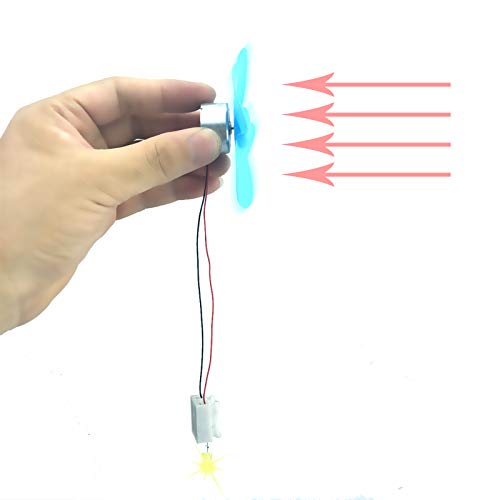
This micro motor wind turbine generator is ideal for teaching demonstrations and small-scale experiments. It highlights the same multi-voltage capability (3V, 4.5V, 12V) with corresponding RPMs, enabling learners to observe how wind energy can be converted into electrical energy on a compact platform. The kit is a practical option for classrooms or home labs seeking hands-on wind-to-electricity experiences without large equipment.
Sntieecr 6 Set Mini Generator Motors
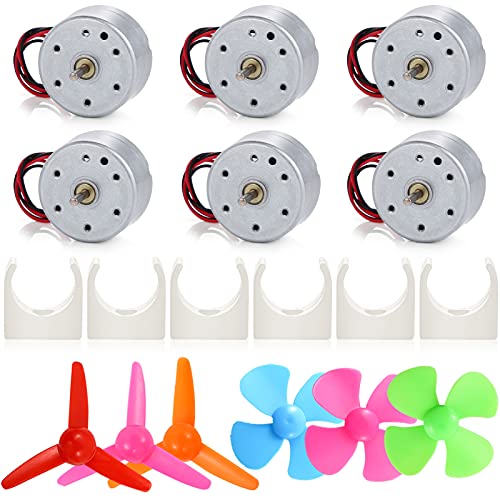
The Sntieecr bundle provides six mini DC motors with mounting brackets, propeller options, and color variants. This kit is designed for beginners and educators who want to explore energy conversion through wind, with models that operate at 3V, 4.5V, and 12V corresponding to different rotational speeds. The package supports experiments that demonstrate how kinetic energy is transformed into electric power, making it a versatile educational tool.
Small Wind Turbine Generator Micro DC Motor (QINIZX)

This product features a robust 280 DC motor paired with large blades (17.5 cm diameter) for wind-driven testing. It emphasizes higher voltage capabilities (0–36V typical operation, up to 24V practical with larger fans) and high RPMs when wind energy is strong. It is suitable for taller builds, school projects, and demonstrations where a more substantial wind-source or powerful fan is used to generate measurable electricity for LEDs or small loads.
120V DC Motor Wind Turbine Generator Power Supply (RIYIN)
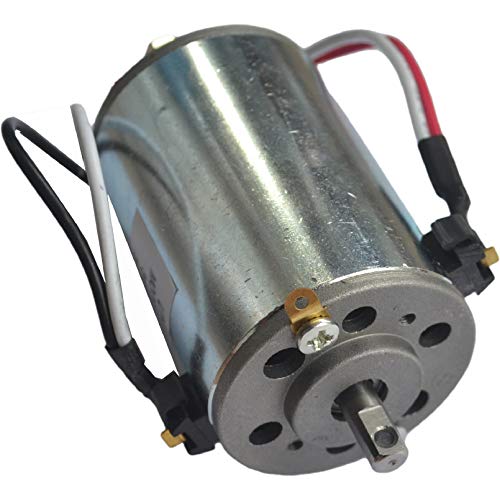
The 120V RIYIN wind turbine generator provides higher voltage output suitable for larger demonstration setups and educational projects exploring household-scale power generation. With a claimed 3500 RPM at rated operation, this motor is designed for robust wind-energy experiments and can be integrated into power generation circuits that require higher voltage levels for LEDs, small appliances, or charging modules in a controlled setting.
DC Motor Wind Turbine Generator Power Supply 3500rpm DIY (DC 120V)
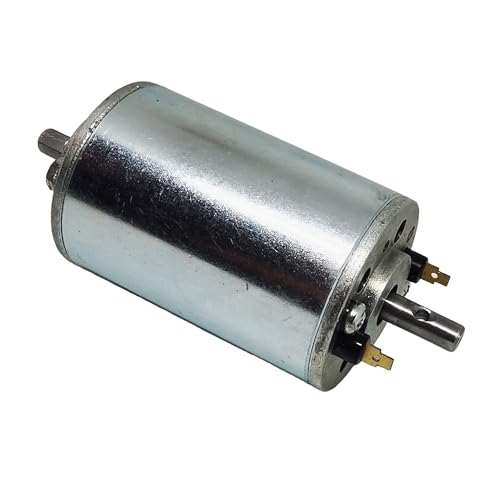
This RIYIN unit highlights a compact 4×1.77 inch housing, built for diverse wind speeds and flexible integration into wind power projects. Durable metal housing and precision components are emphasized to support more demanding experiments. It is appropriate for learners who want a sturdy motor capable of sustained operation in wind-tunnel or open-air test rigs while exploring energy conversion efficiency.
DC Motor Wind Turbine Generator Power Supply 3500rpm DIY (DC 150V)

This RIYIN unit mirrors the 3500 rpm class and 150V output range, suitable for experiments that scale up wind energy conversion. The product emphasizes compatibility with a variety of wind speeds and demonstrable performance in power generation projects, making it a solid option for more advanced students and hobbyists seeking higher voltage output from wind-driven systems.
Buying Guide: Key Purchase Considerations
- Wind source and scale: Choose generators that match your wind source, whether a small fan or a larger wind turbine. Lower voltage units are ideal for classrooms and simple demos, while higher voltage units support more ambitious projects.
- Voltage and RPM compatibility: Examine the voltage ranges (3V, 4.5V, 12V, or higher) and their corresponding RPMs. Ensure you have appropriate blades, gearing, or loads to match the motor’s optimal operating region.
- Mechanical compatibility: Check motor body diameter, shaft size, and mounting provisions to ensure it fits your rotor hub and mounting brackets. A proper fit minimizes mechanical losses and alignment issues.
- Durability and materials: Look for units with sturdy housings and reliable bearings. Metal housings tend to be more durable for longer experiments, while plastic housings may suit lighter, educational setups.
- Educational value and documentation: Kits with clear manuals, color guides, and LED demonstrations help learners observe energy transformation and circuit behavior.
- Expansion potential: Consider kits that include extra blades, brackets, and LEDs, enabling progressive experiments and multiple configurations as skills grow.
- Safety considerations: When dealing with higher voltages or rotating machinery, implement protective enclosures and proper wiring practices to prevent injury and electrical hazards.
Across these options, users can select based on intent—basic demonstrations, classroom teaching aids, or higher-voltage wind-turbine experiments. The listed products provide a range of RPM and voltage profiles that help illustrate how wind energy can be converted into usable electrical power in a compact, hands-on format.