If you need to run older cordless tools on newer battery platforms, these adapters offer practical solutions. This guide highlights adapters that let Dewalt 18V/20V, Milwaukee 18V, Ryobi 18V ONE+, and other common batteries power your tools. The top picks are aimed at DIY enthusiasts, hobbyists, and light-to-medium professional users who want to extend tool life and maximize battery availability. Below, you’ll find five well-matched options with clear pros, use cases, and potential limitations.
Summary of chosen products
- Biswaye DM18RL Battery Adapter — Ryobi ONE+ 18V compatibility; multi-brand conversion.
- Lasica DM18RL Adapter — Ryobi ONE+ compatibility; broad cross-compatibility with DeWalt and Milwaukee.
- Tulepowceeng 2 Pack DM18D — Dewalt 18V/20V to Milwaukee or Dewalt 18V tools; versatile in two-pack set.
- Aikeec Battery Adapter — DeWalt 18V/20V to Milwaukee 18V tools; caution on charging limitations.
- Echoyee DeWalt to Milwaukee Adapter — Converts DeWalt 18V/20V to Milwaukee M18 tools; safe and compact.
Biswaye DM18RL Battery Adapter
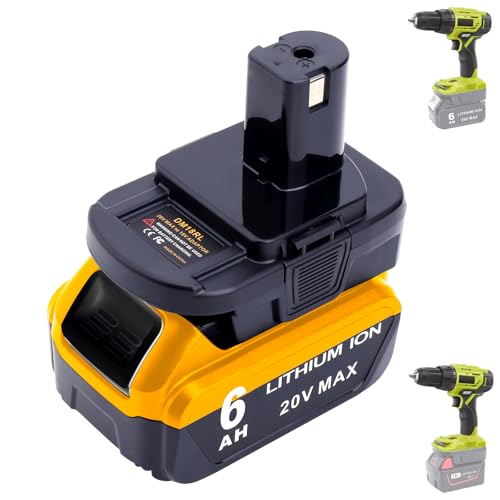
This adapter is designed to run Ryobi One+ 18V tools using other brand batteries. It supports DeWalt 20V Max batteries and Milwaukee 18V, with a stated emphasis on multi-use compatibility. Best for users who need to maximize battery pools across Ryobi, DeWalt, and Milwaukee tools. Caution: not all full-size tool configurations may maintain peak performance; verify tool compatibility before heavy use.
Aikeec Battery Adapter for DeWalt 20V to Milwaukee 18V

Designed to convert DeWalt 18V/20V batteries to power Milwaukee 18V tools, this adapter targets users who own Milwaukee tools but hold DeWalt battery stock. It notes that high-output tools are not supported and emphasizes separating the battery from the adapter after use. Best for Milwaukee enthusiasts who occasionally use DeWalt packs; avoid if you require charging functionality or high-output tool support.
NovaQuantic Adapter Upgrade for Bauer 20V Tools

Specializes in Bauer 20V systems and DeWalt 20V MAX Li-Ion batteries, with a focus on providing a reliable power bridge without charging functionality. Best for Bauer tool users who also own DeWalt batteries and want a compact, reinforced adapter. Note the adapter is not a charger—do not attempt to charge batteries via this unit.
Tulepowceeng 2 Pack DM18D Battery Adapters

Two-pack set converting Dewalt 20V/18V and Milwaukee 18V batteries for use with 18V tools, including NiCad/NiMH generations. It supports multiple Dewalt DCB batteries and Milwaukee 18V packs. Best for multi-tool environments and budget-conscious buyers seeking backup adapters. Limitation: not all Dewalt NiCad/NiMH tools are equally matched; verify tool type before purchase.
Lasica DM18RL Adapter For Ryobi And More

This adapter emphasizes broad compatibility with Ryobi 18V ONE+ tools and crosses into DeWalt and Milwaukee battery ecosystems. It aims to maximize runtime by leveraging 20V Max and M-18 packs. Best for users with Ryobi tools seeking cross-brand flexibility. Caution: performance varies with different tool models; not all modules guarantee identical runtimes.
Buying Guide: Choosing the Right Cordless Tool Battery Adapter
- Tool compatibility: Confirm the specific tool model and battery chemistry (NiCad, NiMH, Li-Ion) before buying. Some adapters list broad compatibility, others are more limited.
- Battery chemistry and voltage ranges: Ensure the adapter supports your available battery stock (18V, 20V, or 60V Max) and that the tool’s voltage compatibility is safe.
- Charging capability: Most adapters do not charge batteries. If you need charging, plan separate charging equipment and account for possible charging-only limitations.
- Durability and safety: Look for built-in protection features and materials like ABS plastic. Check compliance statements such as FCC, RoHS, and CE where provided.
- Best-use scenarios: Choose an adapter based on user intent—whether you want to repurpose DeWalt, Milwaukee, or Ryobi packs, or simply to extend battery life across brands.
Frequently Asked Questions
- Can I use any battery with any adapter? Most adapters specify compatible models and brands. Always verify the exact battery model numbers listed by the manufacturer.
- Do these adapters charge batteries? No. Most adapters are power transfer devices, not chargers. Use a dedicated charger for batteries.
- Will using adapters affect tool warranty? Some tool warranties may be impacted when non-original battery packs are used. Check your tool’s warranty terms.
- Are high-output tools supported? Fewer adapters support high-output tools. If your project involves high-load tasks, confirm tool compatibility with the adapter’s stated limitations.
- Is there a risk of battery damage? Improper matching of voltage or chemistry can damage a tool or battery. Follow the manufacturer’s instructions and avoid forcing incompatible pairs.
- Can I assemble a multi-adapter setup? A multi-adapter approach is possible for professionals managing multiple toollines, but ensure each adapter is used within its supported configurations.