When selecting a battery-start portable generator, consumers look for reliable electric start, fuel flexibility, and sufficient run times for backup power. This guide highlights top models that pair convenient electric or remote start with strong performance for camping, off-grid living, or home backup. The table below provides a quick snapshot of each option to help compare features at a glance.
| Product | Fuel Type | Starting Method | Key Power Specs | Notes |
|---|---|---|---|---|
| WEN DF475T | Gasoline / Propane | Electric Start | 4750 surge / 3800 running (gas); 4350 surge / 3500 running (propane) | Dual fuel; 120V/240V capable |
| Westinghouse 12500 | Gasoline / Propane | Remote Electric Start | 12500 peak / 9500 running (gas); 11200 peak / 8500 running (propane) | Transfer switch ready; long run time |
| Jackery Explorer 1000 v2 | LiFePO4 battery | Electric Start | 1070Wh; 1500W AC output | Solar optional; lightweight portable |
| Anker SOLIX C1000 Gen 2 | LiFePO4 battery | Electric Start | 2000W (peak 3000W) | Fast charging; solar-ready |
| GENMAX Generator | Gasoline | Electronic Start | Not specified | EPA compliant; compact and lightweight |
Below are five detailed product sections. Each includes a direct link to the product page, a visual, and a concise feature-driven overview. All sections align with the battery-start portable generator theme, emphasizing ease of start, power delivery, and versatility for different use cases.
WEN 4,750-Watt Dual Fuel With Electric Start

The WEN DF475T combines versatility and user-friendly operation with an electric start for quick power on demand. It supports gasoline and propane, allowing you to switch fuels with a simple dial. Gasoline power provides 4,750 surge watts and 3,800 running watts, while propane delivers 4,350 surge and 3,500 running watts. The unit can operate at 120V or 240V, making it suitable for transfer switches and home backup. A 224cc four-stroke OHV engine delivers reliable performance, with a key-operated electric start for fast ignition. The dual-fuel design is ideal for seasonal use or when gasoline quality is inconsistent. It also includes a wheel kit for easier transportation.
Westinghouse 12500 Watt Dual Fuel Home Backup Generator

Westinghouse delivers a high-capacity dual-fuel option designed for serious backup power. Gasoline mode provides up to 12,500 peak watts and 9,500 running watts, while propane mode offers 11,200 peak and 8,500 running watts. A remote start via a key fob enables quick activation, and the machine supports both 120V and 240V outputs through transfer-switch-ready configurations. A 6.6-gallon tank yields extended run times, and the digital hour meter with a VFT display keeps you informed about voltage, frequency, and lifetime hours. Safety features include rubber-covered outlets for weather and user protection.
Jackery Explorer 1000 v2 Portable Power Station

The Jackery Explorer 1000 v2 provides a high-capacity, battery-start option with a 1070Wh LiFePO4 battery. It features a 1500W continuous AC output and a 1-hour fast charge, supporting off-grid living, camping, and emergency power needs. Its lithium iron phosphate chemistry enhances durability and cycle life, and the system is compatible with solar panels for renewable charging. While primarily a portable power station rather than a traditional gas-powered generator, its electric start enables quick readiness without manual pulls, and its compact design improves transportability for outdoor use or temporary backup situations.
Anker SOLIX C1000 Gen 2 Portable Power Station
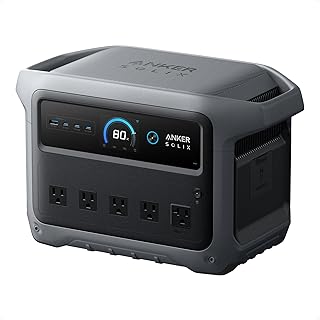
The Anker SOLIX C1000 Gen 2 is a versatile portable power station with a 2,000W continuous output and a peak 3,000W, suited for quick power restoration after outages. It employs LiFePO4 chemistry, offering robust durability and longer cycle life. The unit supports fast charging and is designed for home backup, camping, and off-grid use, with the option to add solar panels for renewable charging. It’s a compact, battery-start alternative to traditional gas generators, particularly appealing for users seeking quiet operation and a lightweight footprint for travel and small to mid-size loads.
GENMAX Inverter Generator
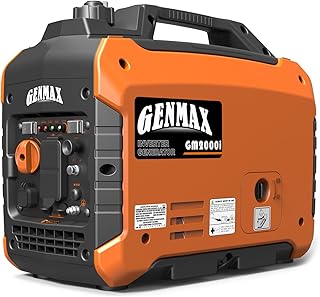
The GENMAX generator line emphasizes EPA compliance and portability, offering an eco-conscious option for backup power and outdoor use. The model is described as ultra-lightweight with a focus on ease of transport, supporting essential backup loads and outdoor activities. Specific wattage figures are not provided in the available data, but the unit is positioned as a practical, compact generator for users prioritizing lower weight and compliance standards. It complements larger, higher-output models with a more accessible footprint for travel and light-to-medium power needs.
Buying Guide: Key Purchase Considerations And Comparisons
- Fuel flexibility: Dual-fuel units (gasoline/propane) offer versatility during fuel shortages or cold-weather storage. Consider your local fuel availability and storage space.
- Starting method: Electric start is convenient, but ensure the battery system is reliable and easy to service. Remote start adds convenience for unattended setups.
- Power needs: Evaluate surge watts for startup loads and running watts for continuous operation. Match to your essential appliances and tools to avoid overloads.
- Output configuration: 120V vs 240V options matter for transfer switches and home backup. Check compatibility with your transfer switch and the outlets provided.
- Run time and fuel capacity: Larger tanks extend runtime, but consider noise, weight, and storage. For battery-powered units, assess recharge time and cycle life.
- Portability: Wheel kits, handles, and overall weight influence how often you move the generator. A lighter, compact model may be preferred for camping or RV use.
- Safety features: Rubber-outlet covers, automatic low-oil shutdown, and fuel gauge contribute to safer operation and easier maintenance.
- Durability and warranty: Look for engine durability (e.g., cast iron sleeves) and a solid warranty to protect against defects and wear over time.
This selection covers a range of use cases from heavy-duty home backup to portable off-grid power. Users should weigh fuel flexibility, starting convenience, and overall power needs when choosing between dual-fuel gas/propane models and battery-start stations. The listed products provide a spectrum of capacities, runtimes, and portability, allowing consumers to align their choice with planned scenarios such as emergency outages, outdoor activities, or remote work environments.