Answering the need for reliable backup power for large appliances, these UPS systems and portable power stations are selected for high-capacity support, durability, and clear power management features. Best for home offices with essential devices, network gear, and mid-sized appliances that require steady power during outages; better for entire home setups or media centers; choose this list for robust runtime and clear status information. This guide highlights five options with practical considerations to help you compare capabilities side by side.
| Product | Capacity | Best For |
|---|---|---|
| CyberPower CP1500PFCLCD | 1500VA / 1000W | Powering computers, servers, and routers with AVR and LCD display |
| CyberPower CP1500AVRLCD3 | 1500VA / 900W | Workstations, network gear, and entertainment systems with USB charging |
| APC BE600M1 | 600VA / 330W | Small home desks with modem, router, and one computer |
| GOLDENMATE 1000VA/800W LiFePO4 | 1000VA / 800W | High-end home office and small workstation with long battery life |
| Anker SOLIX C2000 Gen 2 | 2,400W (4,000W peak) / 2,048Wh | Home backup, fridge and essential appliances during outages |
CyberPower CP1500PFCLCD PFC Sinewave UPS

The CP1500PFCLCD provides 1500VA / 1000W of simulated sine wave power with six battery backup and six surge-protected outlets. It is designed to support active PFC power supplies and typical home office gear, including computers, networking devices, and telecom equipment. It features a multifunction color LCD panel displaying detailed battery and power conditions and a 5-foot cord with a right-angle plug for flexible placement. Best for users who need reliable backup for a mid-size workstation and network setup.
Who it’s best for: someone with a desktop workstation and a home network that requires consistent uptime during outages. Why chosen: strong total wattage with AVR helps protect sensitive electronics from voltage fluctuations. Caution: avoid extending beyond six backup outlets if you plan to add many high-draw devices at once.
APC UPS 600VA/330W BE600M1
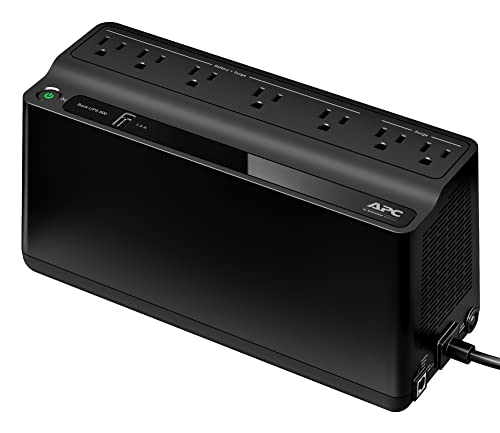
The BE600M1 provides 23 minutes of runtime at a 100W load, enough to keep essential devices online and allow safe shutdown during outages. It includes five outlets with full battery backup and surge protection, plus two surge-only outlets for less critical gear. This unit is compact and simple to deploy for a single user workspace or small home office. Best for: basic home use where critical devices must stay online briefly during power interruptions. Caution: limited runtime for larger appliances or longer outages.
GOLDENMATE 1000VA/600W LiFePO4 UPS

This lithium-based UPS uses a LiFePO4 battery with a long lifespan, offering up to 10 years and thousands of charge cycles. It includes eight outlets with surge protection and a built-in Battery Management System (BMS) for safe operation. The device operates with a low-noise cooling fan when needed. Best for: long-term, cost-conscious users needing reliable protection for computers, workstations, and network devices. Caution: cooling fan may run during heavy battery usage and high load conditions.
GOLDENMATE 1000VA/800W LiFePO4 UPS

This 1000VA/800W unit features eight NEMA 5-15P outlets with surge protection and battery backup, plus a built-in BMS and a cooling system. It provides high-efficiency sine-wave backup suitable for computers, networks, and telecom equipment. Best for: users needing a robust, long-lasting LiFePO4 backup for a small home office or media center. Caution: high-power cooling fan may activate during peak battery usage and can be noticeable in quiet rooms.
Anker SOLIX C2000 Gen 2 Portable Power Station
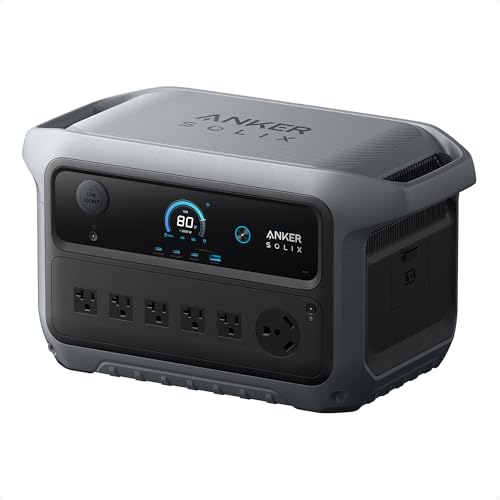
The SOLIX C2000 Gen 2 is a portable power station designed for home backup and off-grid use. It provides up to 2,400W continuous power with a peak of 4,000W and a 2,048Wh LiFePO4 battery capacity. It supports multiple recharging methods, including AC and solar, delivering full charge in under an hour in ideal conditions. Best for: homes needing a flexible, high-capacity backup that can run refrigerators, essential appliances, and devices during outages. Caution: weight and size may be cumbersome for very small spaces.
Buying Guide: Key Considerations For Large Appliance Backups
- Capacity and runtime: Match VA/W ratings to the load of your largest appliances. Higher wattage supports more devices for longer periods.
- Battery technology: LiFePO4 batteries offer longer life and safer chemistry than many lead-acid variants, reducing maintenance over time.
- Output waveform: Sine-wave or simulated sine-wave inverters protect sensitive electronics; for high-end appliances or servers, seek true sine-wave if available.
- Outlets and configuration: Ensure enough battery-backed outlets for your essential devices; consider mixed backup and surge-only outlets to optimize usage.
- Management features: LCD/LED status displays, USB charging ports, AVR (voltage regulation), and easy software integration can help monitor and manage load during outages.
- Physical footprint and noise: Larger units provide more capacity but require more space; cooling fans can add noise under heavy usage.
- Expandability: Some LiFePO4 units offer expandable batteries, increasing total capacity for longer outages.
FAQ
- What size UPS should I buy for a fridge and router? A: Aim for at least 1000W capacity if you plan to run a fridge and router together; consider higher if you also want to power a computer or network switch during outages.
- Is a LiFePO4 UPS better than a lead-acid UPS? A: LiFePO4 offers longer life, lighter weight for the same capacity, and safer chemistry, which can reduce replacement costs over time.
- Do I need a sine-wave UPS for home appliances? A: For most modern electronics and network gear, a simulated sine wave is sufficient, but true sine-wave is safer for sensitive equipment and high-draw devices.
- Can I use a UPS for all my devices at once? A: Check the total wattage of connected devices and ensure it does not exceed the UPS rating; overloads can reduce runtime and damage equipment.
- What maintenance is required for LiFePO4 UPS batteries? A: LiFePO4 cells typically require minimal maintenance, but follow manufacturer guidelines for storage, charging, and periodic self-tests.
- Should I consider a portable power station for home backup? A: Yes, portable stations like the Anker SOLIX can provide flexible backup for refrigerators and essential devices, plus off-grid usability.