Power outages can strike without notice, making a dependable home backup generator essential. This guide highlights five versatile options designed to keep critical appliances running and maintain comfort during emergencies. From portable dual-fuel units to compact power stations and whole-house standby systems, these models cover a range of needs and budgets. Explore key features, run times, and connection options to help you choose the right backup power solution for your home.
| Product | Brand | Type | Notes |
|---|---|---|---|
| Westinghouse 14500 Peak Watt Tri-Fuel | Westinghouse Store | Portable Generator | Tri-fuel; remote start; transfer switch ready |
| Westinghouse 12500 Watt Dual Fuel | Westinghouse Store | Portable Generator | Gas/Propane; multiple outlets |
| Anker SOLIX C1000 Gen 2 | Anker Store | Portable Power Station | LiFePO4; fast recharge; solar option |
| Generac Guardian 10kW | Generac Store | Standby Generator | Automatic transfer switch; Wi-Fi |
| Generac Guardian 24kW | Generac Store | Standby Generator | Large capacity; 200 Amp transfer switch |
Westinghouse 14500 Peak Watt Tri-Fuel Generator

This tri-fuel portable generator is designed for larger homes or frequent outdoor power needs. It delivers 14,500 peak watts and 11,500 running watts on gasoline, with propane and natural gas options offering substantial flexibility for extended outages. A heavy-duty 550cc 4-stroke Westinghouse engine supports robust performance and durability. It can run up to 19 hours on a full 9.5-gallon tank or up to 7 hours on a 20-pound propane tank, depending on fuel. Remote electric start adds convenience during emergencies.
Westinghouse 12500 Watt Dual Fuel Generator

This dual-fuel unit provides up to 12,000+ watts depending on the fuel, with 9,500 running watts on gasoline and higher outputs on propane. It features a remote start with a key fob, electric and recoil start options, and a sizable 6.6-gallon tank with a fuel gauge for long runtimes. The generator includes multiple outlets with rubber covers for safety, plus transfer switch readiness and a comprehensive real-time display for voltage, frequency, and hours of operation.
Anker SOLIX C1000 Gen 2 Portable Power Station
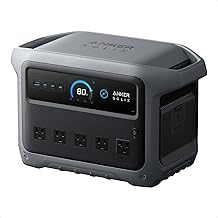
The Anker SOLIX C1000 Gen 2 is a compact power station designed for outages, camping, and portable power needs. It offers 2,000W continuous output (3,000W peak) and a 1,024Wh LiFePO4 battery. Ultra-fast recharge in about 49 minutes via HyperFlash technology makes it practical for rapid readiness. With up to 10 device ports, it provides flexible charging options for essential electronics and small appliances, and its lighter frame supports easy transport and storage. Solar panel compatibility expands off-grid capabilities.
Generac Guardian 10kW Standby Generator

This standby system provides automatic whole-house backup power with a 100 Amp transfer switch and a durable outdoor-ready aluminum enclosure. It integrates Wi-Fi monitoring via Generac Mobile Link for performance tracking and maintenance alerts, enabling remote oversight. The 10kW model balances capacity and efficiency, and is backed by a multi-year warranty, delivering dependable operation during outages and storms.
Generac Guardian 24kW Standby Generator

This high-capacity standby generator is designed for whole-house coverage with a 200 Amp SER transfer switch and outdoor-ready aluminum enclosure. Wi-Fi monitoring via Generac Mobile Link keeps you informed about status and maintenance needs. The 24kW model is ideal for larger homes or properties with elevated power demands, offering reliable outage protection and long-term performance with a 5-year limited warranty.
Buying Guide: Key Purchase Considerations
- Power needs and load management: Assess essential circuits and estimated running watts to select the appropriate size, whether portable or standby. Consider future expansions or higher peaks during outages.
- Fuel availability and type: Gasoline, propane, natural gas, or battery power each have trade-offs. Tri-fuel options offer flexibility, while standby units typically require a fixed fuel source.
- Installation and transfer switches: Portable generators may require manual transfer switches or power inlet boxes, while standby systems use automatic transfer switches for seamless operation.
- Remote monitoring and controls: Wi-Fi connectivity and mobile apps help track performance, maintenance, and alerts, improving readiness and maintenance planning.
- Run time and fuel capacity: Look for larger tanks and efficient engines if outages are long. Battery-powered units depend on recharge cycles and capacity.
- Portability vs. permanence: Portable generators are versatile for multiple sites, while standby units are designed for long-term, fixed installation with automatic operation.
- Safety and compliance: Rubber outlet covers, GFCI outlets, and proper enclosure ratings matter for outdoor use and user safety. Ensure professional installation where required.
- Warranty and support: A strong warranty and accessible customer support help protect your investment during extended outages or harsh conditions.