Choosing an acoustic box for a generator helps protect equipment, reduce noise, and extend lifespan in outdoor or semi-outdoor settings. Below are five well-regarded options that balance ventilation, noise reduction, and weather resistance. Each product is evaluated on build quality, noise control, and suitability for different generator sizes and environments.
Summary Table
| Product | Brand | Key Benefit | Approximate Size (L x W x H) |
|---|---|---|---|
| GDLF Generator Shed | GDLF | Efficient ventilation, sound-absorbing interior, weather-resistant panels | Not specified (outdoor shed) |
| Otoolling Generator Running Cover | Otoolling | Heavy-duty enclosure with acoustic panels; large fit for up to 12,000 W | 36 x 33 x 32 inches |
| Hudson Generator Box | HUDSON | Aluminum enclosure with integrated cooling and noise-reducing panels | Up to 39.4 x 32 x 31.7 inches |
| Stainless Steel Generator Box | peastorm | Durable stainless shell with ventilation openings | 28 x 22 x 22 inches |
| Three-layer Soundproof Box For Booster Water Pump | SOUTH SILK | Three-layer insulation for versatile noise reduction | Not specified in product name |
Note: The above table highlights diversity in material, ventilation approaches, and noise control strategies. When selecting, consider generator wattage, local climate, and whether you need frequent access for maintenance.
GDLF Generator Shed Review
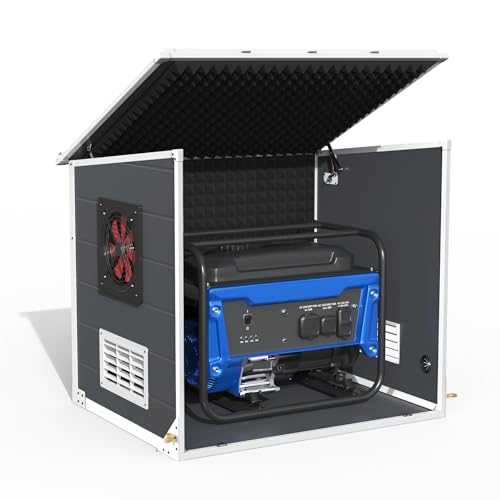
The GDLF Generator Shed uses lightweight, weather-resistant PP panels and built-in cooling fans for active heat management. It includes sound-absorbing interior insulation to reduce runtime noise, making it a practical option for residential settings. The design emphasizes protection from rain, splashes, and UV exposure, supporting long-term outdoor use without corrosion concerns.
Otoolling Generator Running Cover
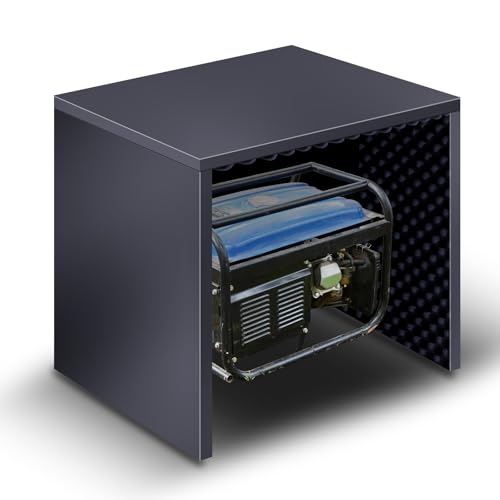
This enclosure provides a robust solution with heavy metal panels and multiple foam sound panels, designed to fit most portable generators up to 12,000 watts. It functions as both a noise barrier and a weather shield, with a 36 x 33 x 32 inch footprint. Included materials support secure mounting and durable adhesion of acoustic panels for sustained noise reduction.
Hudson Aluminum Generator Box

The HUDSON enclosure uses SD aluminum for weather resilience and features louvered vents and an integrated high-speed cooling fan. Phenolic foam-lined panels reduce noise, while the design aims to protect the generator from harsh weather and wildlife, supporting long-term reliability and quieter operation.
Stainless Steel Generator Box by Peastorm

Crafted from stainless steel, this enclosure emphasizes durability and secure locking. It includes ventilation openings to promote airflow and help manage heat, making it suitable for environments where weather exposure and vandal resistance are priorities.
Three-layer Soundproof Box For Booster Water Pump
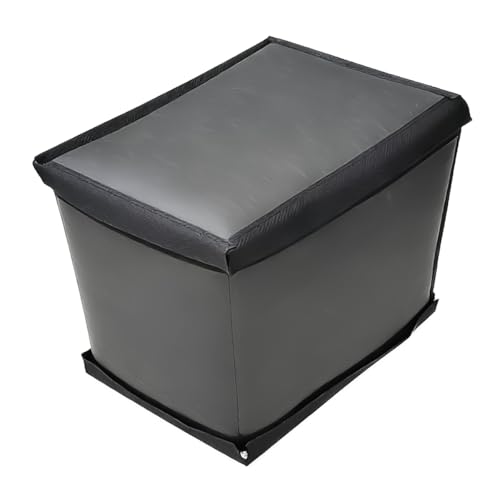
This option emphasizes a layered approach to soundproofing, using damping material and cotton fibers for enhanced insulation. It is described as versatile for pumps and generators, and includes a design with detachable sides for easy installation and maintenance access while maintaining noise reduction objectives.
Buying Guide: Key Purchase Considerations
- Noise reduction efficacy: Compare interior insulation types (foam, damping materials, cotton fibers) and panel thickness. Look for tests or user reviews indicating decibel reductions in real-world use.
- Ventilation and heat management: Generators generate heat; choose enclosures with active cooling fans, louvers, or strategically placed vents to prevent overheating and maintain efficiency.
- Weather resistance: Assess materials (PP panels, aluminum, stainless steel) and sealing features to withstand rain, UV exposure, and temperature swings without corrosion or warping.
- Access and maintenance: Consider doors, detachable panels, and overall accessibility for routine checks, fuel management, and filter changes without compromising noise control.
- Size compatibility: Match enclosure dimensions with your generator’s footprint and height. Ensure the unit accommodates ventilation needs and cable clearance for operation and maintenance.
- Durability and security: For outdoor setups, prioritize robust shells with lockable access or enhanced security features to deter tampering or theft.
- Installation considerations: Some enclosures require mounting surfaces or additional anchoring. Verify weight limits and any required weatherproofing steps during setup.
- Cost vs. benefit: Weigh initial purchase price against long-term benefits such as quieter operation, reduced heat stress, and extended generator life.
When evaluating options, align your choice with your generator’s wattage, your local climate, and the level of noise compliance you need for your neighborhood or facility. The right acoustic box should deliver balanced airflow, effective noise reduction, and dependable outdoor protection.