Finding the right EV charger for your home or on-the-go needs just got easier. This article highlights five reliable Level 1 and Level 2 EV chargers, suitable for most North American plug-in vehicles. These options vary by amperage, outlet compatibility, and portability, helping you pick the best fit for your driveway, garage, or apartment setup. Whether you want a simple 120V solution or a robust 240V system with smart features, there’s a model here designed to keep your electric car ready when you are.
Buyer snapshot:
- Best for budget-friendly daily charging: Lectron Level 1 EV Charger
- Best for flexible home and travel use: BETUMODA Level 1 Charger
- Best all-weather outdoor-ready Level 2: Autel Level 2 50A
- Best for app-based scheduling and wide network: ChargePoint HomeFlex
- Best for portable convenience with extra-long cable: EVDANCE Level 1&2
Lectron Level 1 EV Charger

Brand: Lectron. This ETL-certified 120V charger delivers up to 15A with a 16 ft extension cord and J1772 cable. It uses a NEMA 5-15 plug and is ideal for overnight charging for households on a budget. Best for: budget-conscious drivers who primarily park at standard outlets and want a straightforward, portable charging solution. Limitation: not a Tesla-native charger; Tesla owners need an appropriate adapter.
BETUMODA Level 1 EV Charger

Brand: BETUMODA. This portable charger supports 110V and 240V outlets with both NEMA 5-15 and NEMA 6-20 connectors and a 25-ft cable. It offers adjustable current (8A–16A) and dual plug compatibility. Best for: drivers who need flexibility for different outlets at home or on the road and want a simple plug-and-go setup. Limitation: charging speed varies with outlet type and may be slow on 110V household outlets.
EVDANCE Level 1&2 EV Charger

Brand: EVDANCE. This portable charger delivers 25 ft of cable with Level 1 (120V) and Level 2 (240V) capabilities and a bundled adapter for flexible usage. Best for: EV owners who want a single unit that covers both home and travel charging. Limitation: requires careful outlet matching and adapter management for peak efficiency.
VEVOR Level 1&2 EV Charger
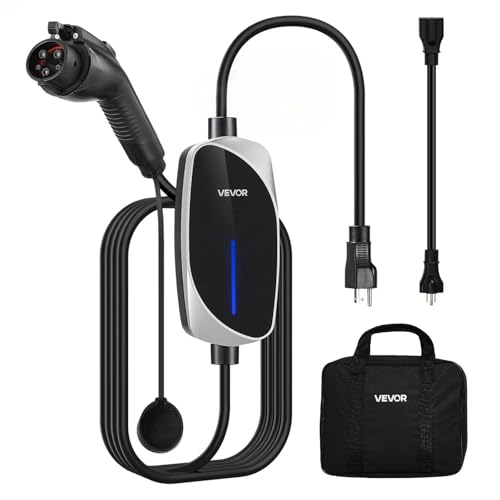
Brand: VEVOR. This charger offers adjustable current modes (12A or 16A) and dual compatibility with SAE J1772 vehicles. It supports Level 2 charging via NEMA 6-20P (240V) and Level 1 charging via a 5-15 adapter. Best for: homes with mixed outlet availability who want a flexible, certified charging solution. Caution: verify vehicle compatibility with the J1772 inlet before purchase, especially for Tesla models.
Autel Level 2 EV Charger 40 Amp

Brand: Autel. This 40A Level 2 charger is designed for indoor or outdoor use with NEMA 14-50 plug and a 25-foot cable. It features app control, RFID access, and weather-resistant construction. Best for: households seeking fast home charging with remote management and a simple plug-in installation. Limitation: requires a 240V circuit and may involve higher installation costs for some setups.
ChargePoint HomeFlex

Brand: ChargePoint. The HomeFlex Level 2 charger emphasizes smart charging with a robust network and mobile app features. It supports flexible power settings and network integration for people using ChargePoint’s broader system. Best for: buyers who want a scalable home charging solution with strong network features. Limitation: requires setup with the ChargePoint app and compatible network connectivity for full feature access.
Buying Guide
What should you consider when choosing an EV charger for home use?
- Charger type and speed: Level 1 (120V) is simple but slower. Level 2 (240V) charges faster and suits most daily needs. Choose based on how quickly you want to recharge and your typical daily driving range.
- Outlet compatibility: Ensure the charger works with your available outlets (NEMA 5-15, 6-20, or 14-50). Some models include adapters to expand compatibility.
- amperage and circuit load: Chargers offer adjustable amperage. Higher amperage requires appropriate home wiring and breaker capacity. Consider future-proofing for larger battery packs.
- Weather rating: Indoor vs. outdoor installation matters. Look for weatherproof housings or NEMA 4/4X protection if you plan to mount outside.
- Smart features: Wi-Fi, Bluetooth, app control, scheduling, and roaming networks can save time and energy costs. Assess whether these features align with your smart-home setup.
- Ease of installation: Some units are plug-in (portable) while others are hardwired. Plug-in units are easier to move between locations; hardwired units may require professional installation.
- Vehicle compatibility: Most Level 2 chargers use J1772 connectors. Tesla owners may need adapters or a Tesla-compatible model. Verify compatibility with your vehicle’s inlet.
- Security and access: If you share a property with others, consider chargers with RFID or app-based access to prevent unauthorized use.
Frequently Asked Questions
- What is the difference between Level 1 and Level 2 EV chargers?
Level 1 chargers operate at 120V and are typically slower, suitable for overnight commuting. Level 2 chargers use 240V and charge faster, ideal for daily drives with higher energy needs.
- Do all EVs use the same charging plug?
Most North American EVs use the SAE J1772 inlet for Level 1 and Level 2 charging. Tesla uses its own connector but can use adapters or specific J1772-compatible chargers.
- Can I install a Level 2 charger myself?
Some Level 2 chargers are plug-in, but many require a dedicated 240V circuit and may need a professional installation. Check local electrical codes and the device manual.
- Is a smart charger worth the extra cost?
Smart chargers offer scheduling, remote control, and network benefits that can reduce electricity costs and simplify management, especially for homes with variable rates.
- What should I consider for outdoor placement?
Choose a weatherproof unit with proper protection ratings and secure mounting. A longer cable can help reach vehicles parked away from the outlet.
- How do I choose the right amperage?
Match the charger’s amperage to your vehicle’s acceptance and your home’s electrical capacity. A higher amperage charger is beneficial if you frequently drive long distances or have time constraints.