Finding a compact, dependable small electric generator for camping, travel, or emergencies can be challenging. The following hand-picked models balance portability, power, and versatility, offering multiple charging options and essential outlets. This guide highlights five capable units to help you compare performance, usage, and expandability at a glance.
Summary of Selected Products
| Product | Brand | Key Features |
|---|---|---|
| HOWEASY Portable Power Station | HOWEASY Store | 88Wh, 8 outputs, 110V AC, USB-C, 12V DC, 2.3 lb, three recharging modes |
| Jackery Portable Power Station Explorer 300 | Jackery Store | 293Wh, 2x AC outlets, PD USB-C, multiple ports, lightweight |
| OUPES Mega 1 Portable Power Station | OUPES | 1024Wh LiFePO4, expandable to 5kWh, up to 2000W continuous |
| Flashfish 150W Portable Power Station | Flashfish | 166Wh, 300W peak, multiple ports, compact, emergency use |
| Portable Power Station with 55W Solar Panel | Unknown Brand | 299Wh, 300W pure sine, PP/PD/USB outputs, solar ready |
HOWEASY Portable Power Station 88Wh

The HOWEASY portable power station provides multiple output options in a compact form. With 8 ports, it includes 2 AC sockets (110V, 120W; 240W peak), USB-C (18W), two QC 3.0 USB ports, a 5V USB outlet, and 12V/10A DC ports. An LED display shows battery status and power usage for easy monitoring. Weighing about 2.3 pounds and measuring 6.6 x 4 x 3 inches, it’s designed for shoulder-carried portability during camping or emergencies. The device supports simultaneous charging of the bank and devices and can run essential gear like lights and small fans below 120W. Three charging modes enhance versatility: AC outlet, solar panel (15–24V; solar panel not included), and vehicle 12V/24V input. Cycle life exceeds 1500 cycles for long-term use.
Jackery Explorer 300 Power Station

The Jackery Explorer 300 delivers dependable off-grid power with a 293Wh lithium-ion battery and two Pure Sine Wave AC outlets for stable 300W loads. It weighs about 7.1 pounds, making it portable for outdoor activities. The unit supports rapid recharging: 2 hours to reach approximately 80% battery via wall outlet and a 60W PD USB-C port simultaneously. It accommodates multiple devices—Drones, laptops, cameras, and more—through its 60W USB-C PD port, a fast-charge USB-A port, and a DC car port. The system is designed for versatility in camping, travel, or emergency scenarios and is compatible with optional solar panels such as Jackery SolarSaga 100 for off-grid charging.
OUPES Mega 1 Portable Power Station

The OUPES Mega 1 raises power capacity with a 1024Wh LiFePO4 battery, expandable up to 5kWh for home backup, camping, or road trips. It supports UPS functionality and is designed for high-demand use, offering surge capability up to 4500W. This unit is intended for longer off-grid periods or situations needing robust energy supply. It includes multiple charging options and is suitable for expanding with additional modules as your energy needs grow. The brand focuses on safety, longevity, and scalability in portable power solutions.
Flashfish 150W Portable Power Station

The Flashfish 150W unit provides essential off-grid power with 166Wh capacity and a 300W peak, backed by two AC outlets, two DC ports, and three USB ports. It suits short camping trips, outdoor emergencies, and as a backup home power source. Its compact footprint makes it easy to store and transport. This generator focuses on portability and quick access to power for phones, lights, small fans, or other modest devices, making it a practical grab-and-go option for travelers and campers alike.
Portable Power Station With 55W Solar Panel
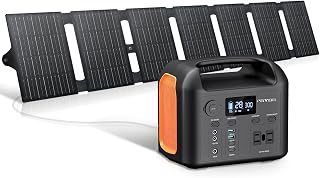
The 55W solar panel-equipped unit combines a 299Wh LiFePO4 backup battery with a 300W pure sine wave inverter. It supports PD 60W and QC 3.0 fast charging, plus car outlets and USB ports, making it a solid choice for camping, CPAP use, or temporary home backup. The system prioritizes safety and stability while providing reliable power for essential devices. It’s designed to operate with a solar panel (panel not included in some listings) and includes practical charging options for varied outdoor scenarios.
Buying Guide: What To Consider When Choosing A Small Electric Generator
- Power capacity and outlets: Compare wattage and the mix of AC, USB-C, USB-A, and DC ports. Match the unit to your devices and intended load.
- Portability vs. capacity: Higher capacity models offer more power but weigh more. Balance weight, size, and handle design with your travel needs.
- Recharging options: Look for multiple inputs—AC, solar, and car charging—to fit different environments and times between uses.
- Battery chemistry: LiFePO4 chemistry generally offers longer life, higher safety, and better longevity than standard lithium-ion cells, especially for frequent cycling.
- Cycle life and warranty: Check expected cycles, warranty terms, and customer support to gauge long-term reliability.
- Solar compatibility: If solar charging is important, verify panel compatibility, voltage range, and any required adapters.
- Noise and emissions: These units are typically quiet, but consider noise if you plan to use near sleeping areas or in quiet campsites.
- Expandability: Some systems offer expandable batteries or modular units for future upgrades without replacing the core generator.
- Safety features: Look for overcharge, short-circuit, and temperature protection to prevent damage and ensure safe operation.
In evaluating small electric generators, prioritize reliability, charging flexibility, and the ability to power your essential devices during outdoor adventures and emergencies. The models listed provide a range of capacities and configurations to suit beginners and seasoned campers alike.