Choosing an 8.5 kW residential generator offers a balance between power and practicality, ideal for protecting essential circuits during outages. This guide highlights five solid options, emphasizing automatic operation, fuel flexibility, remote monitoring, and durability. Each model below has standout features that fit typical American homes facing storms or other emergencies, with a focus on ease of use and long-term value.
Quick reference table of selected products
| Product | Brand | Type | Key Feature |
|---|---|---|---|
| Generators with automatic transfer and whole-house coverage | Generac Store | Standby | Hybrid natural gas or propane, cellular/wifi monitoring |
| Compact standby solution with long warranty | Champion Power Equipment Store | Standby | 50-Amp transfer switch, extreme cold start down to -22°F |
| Portable inverter option for flexibility | A-iPower Store | Portable Inverter | Lightweight, clean power for electronics |
| Whole-house standby with cellular connectivity | Generac Store | Standby | Remote monitoring and automatic operation |
| Tri-fuel portable backup with solid runtime | Westinghouse Store | Portable | Gas, propane, and natural gas support, large fuel capacity |
Generac Guardian 10kW Home Standby Generator

Generac’s 10 kW standby solution is designed for whole-house protection, delivering automatic power during outages. It uses a 100 Amp 16-circuit transfer switch to seamlessly shuttle power to essential circuits without manual intervention. The system is wired for outdoor durability with a sturdy aluminum enclosure, ideal for year-round use in varying climates. For ongoing reliability, it includes remote monitoring via Generac Mobile Link Wi-Fi connectivity, enabling status checks and maintenance alerts from anywhere. A 5-year limited warranty adds peace of mind for long-term operation.
Key considerations include compatibility with natural gas or liquid propane fuel sources, the ease of integration with existing home electrical panels, and the value of remote monitoring for proactive maintenance. This model suits homeowners seeking a robust, future-ready standby solution with comprehensive protection and smart features.
Champion Power Equipment 8.5-kW Home Standby Generator

This Champion standby generator operates with an 8.5 kW output and comes with a 50-Amp outdoor-rated automatic transfer switch. The system is designed for continuous operation with minimal manual intervention, supported by a 10-year limited warranty. It also features a Sub Zero Start capability through a 24V starting system, allowing reliable cold-weather performance in subfreezing conditions. The gullwing enclosure provides easy access for service and installation, making maintenance straightforward for homeowners and installers alike.
Considerations for buyers include its long-term warranty coverage, cold-weather readiness, and how the gullwing enclosure can simplify service visits. It’s well-suited for homes that need dependable backup power with a straightforward upgrade path from smaller standby units.
A-iPower 4600W RV-Ready Quiet Portable Inverter
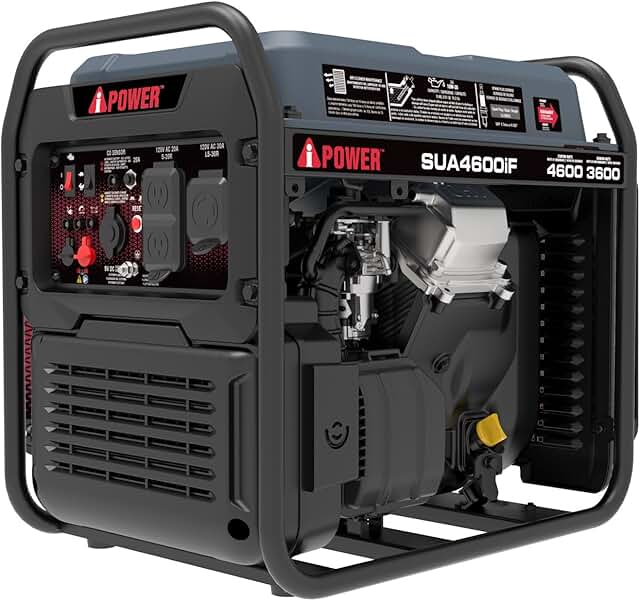
While not a full standby system, the A-iPower 4600W inverter provides reliable portable power for RVs, tailgating, or short-term home backup. It delivers 4,600 starting watts and 3,600 running watts, with a light 56-pound frame that’s easy to move. The unit produces a clean 3% THD, making it suitable for powering sensitive electronics like laptops, TVs, and chargers. This option is ideal for users who need flexibility, lower upfront cost, and the ability to relocate power where it’s most needed without the commitment of a permanent installation.
Prospective buyers should weigh portability against full-home protection needs. In environments with frequent outages, a stationary standby unit may be preferable, while this inverter can complement a larger standby system or serve as a backup for specific circuits in a pinch.
Generac 18kW Home Standby Generator

Generac’s 18 kW standby solution is designed for whole-house protection with enhanced remote monitoring and control. It features built-in cellular connectivity that delivers real-time updates and maintenance alerts via the Mobile Link app, whether you’re home or away. The system is engineered for continuous operation during outages, automatically detecting an outage and delivering standby power to essential circuits. While larger than an 8.5 kW unit, it’s included here to illustrate how Generac scales for bigger homes or additional load needs and how cellular connectivity can reduce downtime and manual intervention.
Considerations include potential additional costs for premium Mobile Link subscriptions and the need for a larger footprint and fuel supply. This option is best for homeowners anticipating higher appliance loads, larger square footage, or the desire to future-proof with a scalable standby solution.
Westinghouse 14500 Watt Tri-Fuel Portable Generator

The Westinghouse tri-fuel portable generator offers a higher power output with versatility for backup power on the go. It supports gasoline, propane, and natural gas, providing flexibility when fuel availability varies during storms. The unit delivers up to 14,500 peak watts and 11,500 running watts on gasoline, with proportionate ratings for propane and natural gas. Its large fuel capacity and remote electric start enhance convenience for frequent outages or extended camping scenarios. This model suits users who need substantial temporary power without committing to a fixed standby installation.
When evaluating portable backups, consider fuel availability, noise level, and the footprint required for storage. While ideal for temporary or supplemental power, it’s not a substitute for a dedicated home standby system in regions with long outage durations or critical loads like refrigeration and HVAC systems.
Buying Guide: Key Purchase Considerations and Comparisons
- Power output and load management: For most homes, 8.5 kW serves essential circuits, but evaluate peak demand, HVAC needs, and whether you want partial or whole-house coverage.
- Standby vs portable: Standby generators with automatic transfer switches start automatically during outages and require minimal manual setup, while portable units offer flexibility but require manual operation and transfer.
- Fuel type and availability: Natural gas and propane offer different reliability profiles. Natural gas is convenient if your home already has a gas line, but propane storage needs planning for supply during extended outages.
- Transfer switches: A properly sized transfer switch (e.g., 50-amp, 100-amp) is critical to protect appliances and wiring. Ensure compatibility with your main panel and local codes.
- Remote monitoring and maintenance: Wi-Fi or cellular connectivity helps you track performance and receive alerts. Consider whether premium subscriptions are required and the overall total cost of ownership.
- Weather resilience and warranty: Outdoor enclosures should withstand local weather, and longer warranties (5–10 years) can improve total ownership value.
- Installation considerations: Some systems require professional installation, electrical work, and permits. Check local regulations and consider life-cycle costs, including fuel and potential service plans.
- Noise and footprint: Standby units are bulkier and louder than portable inverters. If noise is a concern, review decibel ratings and placement options near outdoor spaces away from living areas.
- Future readiness: If you anticipate expanding loads (pool pumps, heater, EV charging), choose a system with scalable wattage and versatile fuel options.
Across these options, the best choice depends on home size, climate, and how you prioritize convenience, reliability, and long-term cost. Standby generators with automatic transfer switches and cellular or Wi-Fi monitoring represent the most hands-off, durable approach for many American households. Portable inverter models offer flexibility when you need power away from the home and can complement a larger standby installation. Evaluate each model’s transfer switch rating, fuel compatibility, and monitoring features to determine the right balance of upfront cost and ongoing value.