Looking for a 48 inch circular sawmill blade or the closest practical match for heavy milling and metal-cutting tasks? This guide highlights five blades that align with high-strength cutting needs, such as metal framing, conduit, angle iron, and other tough materials often encountered in sawmill and fabrication settings. Each option is described for who it’s best for, why it’s chosen, and any practical limitation to consider.
Summary table of chosen products:
- CRALY C0648MC — Best for threaded rod and EMT conduit applications; thin kerf for less material waste; 5/8″ arbor.
- Milwaukee 8″ 42T Dry Cut — Best compact option for portable metal cutting on site; reliable for dry cuts.
- Benchmark Abrasives 8 1/4″ 48T — Best for mixed metal and stainless steel; tungsten carbide tipped; versatile on metalwork.
- FOXBC 7-1/4″ 48T Cermet Blade — Best for steel studs, angle iron, and EMT; robust carbide-tipped performance.
- SHARP TOOL CO. Bandsaw Blade — Best for long runs in sawmills; longer run time with German steel; note different blade type (bandsaw vs circular).
CRALY 6-1/2 Inch 48 Teeth Blade
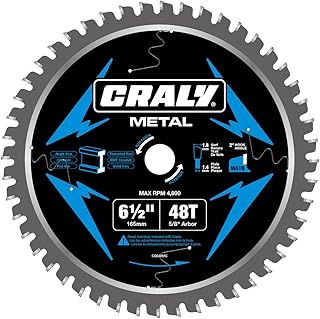
CRALY 6-1/2 Inch blade is designed for heavy metal cutting with a 5/8 inch arbor. It’s thin kerf to reduce waste and improve feed rates. Best for compact setups and specialized metalwork such as angle irons and conduits, where precision and speed matter.
- Best for: tight spaces and threaded fasteners preparation in metal fabrication.
- Limitation: 6-1/2 inch diameter, not a true 48 inch sawmill blade but relevant as a heavy-duty metal-cutting option in compact rigs.
Fits Milwaukee 8″ 42T Dry Cut Blade

This blade is a compact dry-cut option with a 1/8 inch kerf and carbide-tipped teeth. It’s optimized for dry metal cutting on site and is particularly suitable for smaller, portable saws or detail work where quick, chip-free performance is needed.
- Best for: on-site metal cutting where quick changes and portability are required.
- Limitation: 8-inch size may not meet true 48-inch sawmill blade applications; intended for light-to-medium cut tasks.
Benchmark Abrasives 8 1/4″ 48T

Benchmark Abrasives 8 1/4″ blade features tungsten carbide tips suitable for metal and stainless steel. It’s Miter Saw compatible and designed for durable performance in metalworking projects, offering versatility across common fabrication tasks.
- Best for: metal and stainless steel cutting in fabrication or workshop settings.
- Limitation: 8 1/4″ diameter, not a true 48-inch mill blade; primarily for standard circular saws and miter saws.
FOXBC 7-1/4″ Cermet Blade

The FOXBC 7-1/4 inch blade combines ceramic carbide tipping with 48 teeth for metal cutting. It’s designed for steel studs, angle iron, EMT conduit, and threaded rods. It is compatible with cordless and corded circular saws, offering robust performance in relatively compact tool setups.
- Best for: steel studs, angle iron, and EMT conduit cutting with a compact saw.
- Limitation: smaller diameter than a true 48 inch saw blade; best used in portable or lighter mill environments.
SHARP TOOL CO. 158″ x 1″ x .035 x 3/4″ Bandsaw Blade (Box of 6)

Although not a circular saw blade, this bandsaw blade is included for sawmill applications where bandsaw configurations are used. It’s German steel and ships in a box of six, designed for longer run times in continuous cutting scenarios commonly found in milling operations with bandsaws.
- Best for: long, continuous milling runs where a bandsaw setup is used in a sawmill.
- Limitation: not compatible with standard circular saws; selection depends on saw type in use.
Buying Guide
What to consider when choosing a blade for milling and heavy metal cutting
- Blade diameter and arbor compatibility: Ensure the blade diameter and arbor match your saw. Large diameter blades deliver longer cuts but require appropriate equipment support and safety measures.
- Material compatibility: For metal, look for carbide-tipped or cermet blades designed for steel, stainless steel, angle iron, and EMT conduit. Thin kerf blades reduce material waste and improve feeds, but require precise control to avoid deflection.
- Tooth count and geometry: Higher tooth counts yield smoother cuts in metal but may cut slower. For rough or fast cuts, lower tooth counts may be preferable. Consider alternating top bevel (ATB) or raker-angle designs for clean edges.
- Kerf and feed rate: Thin kerf reduces waste and requires less power. Thicker kerf blades are stronger and can handle tougher cuts but produce more waste and require more force.
- Durability and cost: Carbide-tipped blades typically outlast high-speed steel blades in metal cutting. While more expensive upfront, carbide blades often reduce downtime and replacement frequency.
- Compatibility with portable vs fixed setups: Smaller diameters excel in portable or field settings; larger diameters are suited for fixed milling stations where precision and stability are critical.
FAQ
- Q: Is a 48 inch blade necessary for most sawmills? A: True 48 inch circular sawmill blades are specialized; most common milling tasks use smaller diameters or dedicated bandsaws. Consider the setup and the material being cut when choosing a blade.
- Q: What blade type is best for cutting EMT conduit and threaded rods? A: Carbide-tipped or cermet blades with a 5/8″ arbor and a fine-toothed profile are well-suited for metal conduits and threaded components.
- Q: Can I use a metal-cutting blade on wood or composites? A: No. Metal-cutting blades are designed for hard materials and can cause chipping or overheating when used on wood or composites.
- Q: What safety considerations are essential when using metal-cutting blades? A: Proper guard placement, eye protection, hearing protection, and secure clamping of workpieces are critical. Follow manufacturer guidelines for RPM and feed rates to avoid blade damage.
- Q: How do I choose between a circular blade and a bandsaw blade for a sawmill? A: Circular blades are common for cross-cutting and metal work, while bandsaw blades excel at long, continuous cuts and resaw tasks. The choice depends on the material, required cut length, and available equipment.
- Q: Are there blades specifically designed for dry cutting on site? A: Yes, some blades are optimized for dry cutting with reduced cooling requirements. These blades often feature specialized coatings and tooth geometry for higher heat resistance.